Securing Your Automotive Investment
When you finance a vehicle, the car itself serves as collateral for the loan. Auto loan collateral tracking is a common practice used by lenders and dealerships to protect this valuable asset throughout the loan term. By utilizing advanced automotive GPS tracking technology, we can monitor the vehicle's location, which serves multiple important functions. This system is a key component of our risk management strategy, allowing us to offer financing opportunities to a broader range of customers. For the borrower, it adds a significant layer of security, providing a powerful tool for rapid vehicle recovery in the unfortunate event of theft. Understanding how this technology works provides peace of mind, knowing that the asset securing your loan is protected. It is a modern solution that benefits both the lender and the vehicle owner by safeguarding the investment from potential loss.
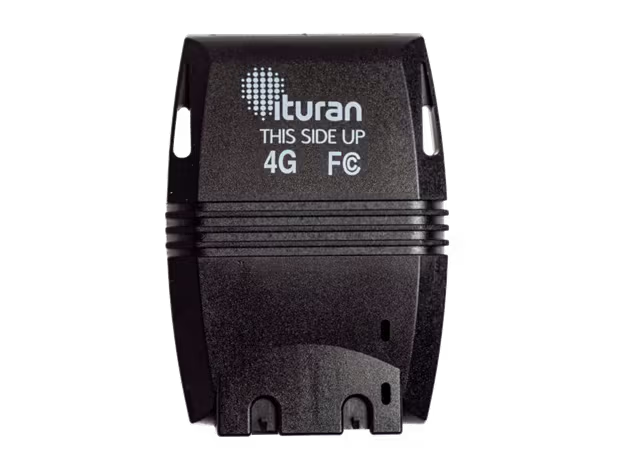
Payment Reminder (optional)
Parking Behavior Report
Accident Notification
Tow Alert
Impound Lots Monitor
Mileage Tracking
Special Relays for Faster Installation
Backup Battery
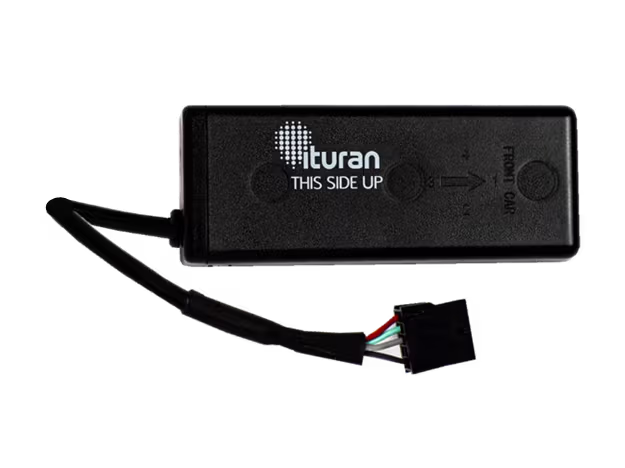
Accident Notification
Tow Alert
Impound Lots Monitor
Mileage Tracking
OBD Installation (optional)
Backup Battery
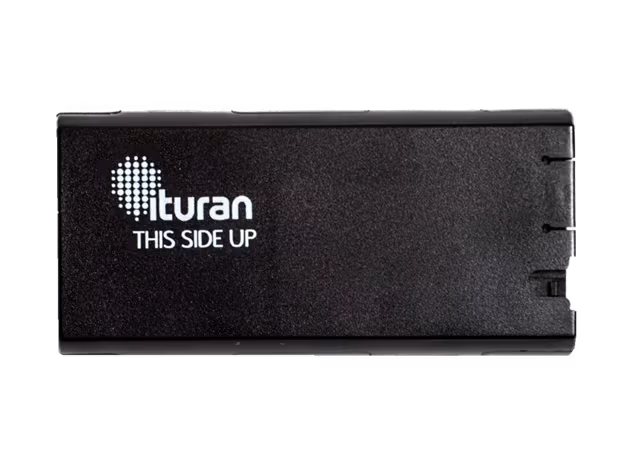
Cost Effective Device
Flexible Tracking Intervals
3 Year Battery Life
Our commitment to responsible lending includes leveraging state-of-the-art technology to manage our financing portfolio effectively. These GPS systems for financed cars are not just about location; they can include features like payment reminders and geofencing capabilities. This technology is integral to our ability to provide flexible financing solutions, especially in the buy here pay here (BHPH) market. It helps us mitigate risk, which in turn allows us to work with individuals who might have difficulty securing a traditional auto loan. Explore the details below to learn more about our approach.



A Comprehensive Guide to Vehicle Collateral Tracking
Navigating the world of auto financing can introduce you to terms and practices you may not be familiar with. One such practice is auto loan collateral tracking. While it may sound complex, the concept is straightforward and is a standard operational procedure for many auto finance companies, credit unions, and used car dealerships, particularly those specializing in in-house financing. The vehicle you purchase with a loan acts as security, or collateral, for that loan. If, for any reason, the loan terms are not met, the lender has a right to the collateral. Collateral tracking is the method used to keep a record of the location and status of that asset. In today's market, this is accomplished almost exclusively through the use of sophisticated automotive GPS tracking systems.
The Technology Behind Collateral Protection
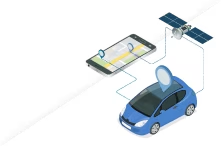
The core of any modern collateral tracking program is a small, discreet GPS tracking device. These devices are professionally installed in the vehicles and utilize cellular and satellite networks to transmit data. This allows the lender to access real-time information about the vehicle through a secure software platform. This is much more than a simple dot on a map; the technology offers a suite of tools for effective asset management.
- Real-Time Location Data: The most fundamental feature is the ability to see the vehicle's precise location at any given moment. This is invaluable for asset recovery and theft protection. In a situation where a car is stolen, this technology can dramatically increase the chances of a quick recovery by providing law enforcement with exact coordinates.
- Geofencing Capabilities: A geofence is a virtual perimeter set up around a real-world geographic area. The system can be configured to send an automatic alert if a vehicle enters or exits a predefined zone, such as city or state lines. This is a useful tool for risk management and ensuring the vehicle remains within an expected operational area.
- Starter Interrupt Technology: Some devices include a starter interrupt or starter disable feature. In cases of serious loan delinquency and after all other communication attempts have failed, this function allows a lender to remotely prevent the vehicle from being started. This is a critical tool for mitigating losses and encouraging communication from the borrower. It is often paired with payment reminder systems that may sound an audible chime in the vehicle when a payment is approaching its due date.
- Advanced Analytics and Reporting: The software platforms connected to these devices gather extensive data. Lenders can generate reports on everything from mileage to vehicle status, helping them manage their entire portfolio of financed vehicles more efficiently.
Why Dealerships and Lenders Use Collateral Tracking
For a dealership that offers in-house financing, often known as a Buy Here Pay Here (BHPH) dealer, managing risk is paramount. These dealerships often work with customers who have limited or challenged credit histories, making the loans inherently riskier than those from traditional banks. GPS tracking is a vital tool for mitigating this risk.
By having a reliable way to locate and, if necessary, recover a vehicle, the dealership can protect its investment. This security allows them to extend financing to more people, creating opportunities for individuals to purchase a necessary vehicle and rebuild their credit. Without such technology, the financial risk would be too high, and many buyers would be left without transportation options. It also streamlines the collections process. Rather than being a last resort, the data from tracking systems can be used proactively. For instance, if a vehicle is located at an impound lot, the lender can be alerted quickly, allowing them to take action before exorbitant storage fees accumulate, a cost that could otherwise be passed on to the borrower.
Benefits for the Vehicle Owner
While the primary purpose of collateral tracking is to protect the lender's asset, there are direct and significant benefits for the borrower as well. The most obvious of these is theft recovery. Every year, hundreds of thousands of vehicles are stolen. A car equipped with a GPS tracker has a much higher likelihood of being found and returned. The real-time tracking capabilities can lead police directly to the stolen vehicle, often within hours. This not only returns your property but can also help prevent the financial and logistical nightmare that follows a vehicle theft, especially when you are still making payments on it.
Furthermore, the presence of this technology can enable you to secure financing in the first place. If you are working to improve your credit, you may find that traditional lenders are hesitant to offer you a loan. A dealership that uses GPS collateral tracking is often more willing to work with you because they have a secure method of protecting their asset. This can be your opportunity to get the reliable transportation you need while making timely payments that can positively impact your credit score over time. To see what financing options may be available to you, you can get pre-approved on our website.
Frequently Asked Questions
Is GPS collateral tracking legal on a financed vehicle?
Yes, it is legal for a lender to install a GPS tracking device on a vehicle that is serving as collateral for a loan. The financing agreement, which the borrower signs, typically includes a clause disclosing the use of such a device. As the lender maintains a security interest in the vehicle until the loan is paid in full, they have a legal right to protect their asset.
Will the GPS tracking device drain my car battery?
Modern automotive GPS tracking devices are designed to be extremely energy-efficient. They draw a very minimal amount of power from the vehicle's battery, similar to the clock or radio's memory function. When the vehicle is running, the alternator powers the device. When the car is off, the device enters a low-power sleep mode, waking periodically to update its status. Under normal conditions, a quality device will not drain a healthy car battery.
Can I remove the GPS tracker from my car?
No, you should not attempt to remove or disable the GPS tracking device while the loan is active. Tampering with the device is a violation of your financing agreement. Doing so could result in the lender declaring the loan in default, which may lead to immediate demand for full payment or repossession of the vehicle. If you believe the device is malfunctioning, please contact us immediately.
What information does the dealership see?
The primary information collected is the vehicle's location. Depending on the specific system, the lender may also see other data such as vehicle speed, low battery alerts, or notifications if the device is tampered with. This information is used strictly for loan servicing and asset management purposes, as outlined in our privacy policy.
What happens to the device after I pay off the auto loan?
Once your loan is paid in full and you have received the title to your vehicle, the lender's interest in the vehicle ends. At this point, the GPS tracking device is typically deactivated remotely by the lender. You are not required to have the device physically removed, as it will no longer be transmitting any data. It simply becomes a dormant piece of hardware in the vehicle.
Helpful Links