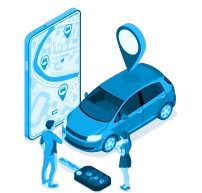
In today's fast-paced world, understanding what is happening with your vehicles is more important than ever. Automotive telematics solutions represent a significant leap forward in vehicle management, combining GPS technology, onboard diagnostics, and wireless communication to provide a comprehensive view of your automotive assets. Whether you are a business owner managing a fleet of service vehicles or an individual looking to enhance the security of your personal car, telematics provides the data you need. From real-time location tracking and driver behavior monitoring to vehicle health alerts and theft recovery assistance, this technology transforms raw data into powerful, actionable insights. By leveraging these advanced systems, you can improve safety, boost operational efficiency, and gain peace of mind. Our range of automotive GPS tracking solutions is designed to meet the diverse needs of modern vehicle owners and fleet managers, offering robust features and reliable performance to keep you connected and in control.
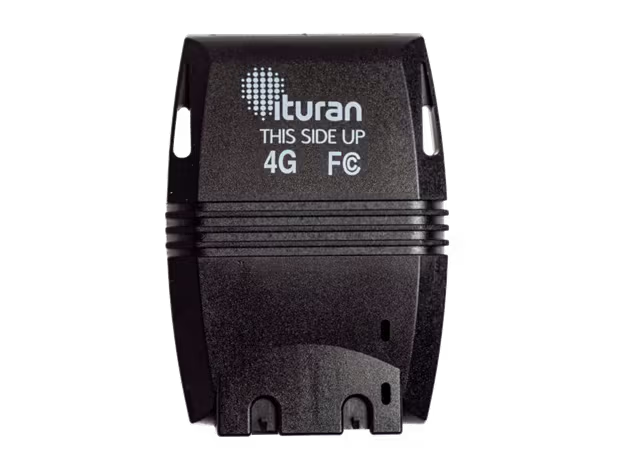
Payment Reminder (optional)
Parking Behavior Report
Accident Notification
Tow Alert
Impound Lots Monitor
Mileage Tracking
Special Relays for Faster Installation
Backup Battery
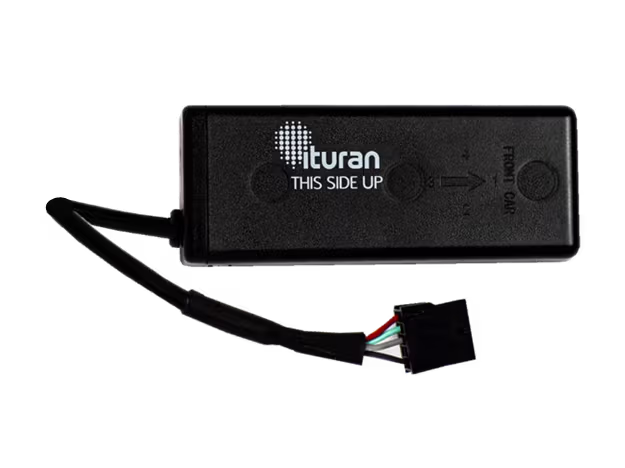
Accident Notification
Tow Alert
Impound Lots Monitor
Mileage Tracking
OBD Installation (optional)
Backup Battery
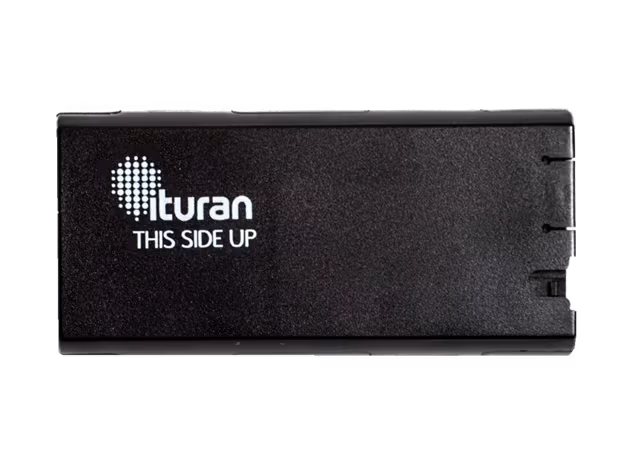
Cost Effective Device
Flexible Tracking Intervals
3 Year Battery Life
Harnessing the power of automotive telematics opens up a world of possibilities for optimizing performance and protecting your investments. The right system provides more than just a dot on a map; it delivers a complete operational overview. For businesses, this translates into reduced fuel costs through route optimization and idle time tracking, lower insurance premiums by promoting safer driving habits, and improved customer service with accurate arrival time estimates. For individuals and families, it offers enhanced security through stolen vehicle tracking and valuable feedback on driving habits for new or teen drivers.




A Deep Dive into Automotive Telematics Technology
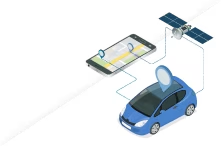
Automotive telematics is a broad field that encompasses the technology used to monitor a wide range of information relating to an individual vehicle or an entire fleet. At its core, a telematics system involves installing a small device, often called a GPS tracker, into a vehicle. This device collects data from the vehicle's onboard systems and its own internal sensors, such as an accelerometer and a GPS receiver. It then transmits this data over a cellular network to a secure server. From there, the information is processed and presented to the user in an accessible format, typically through a web-based software platform or a mobile app. This allows for real-time vehicle GPS tracking, performance analysis, and much more.
This technology is a cornerstone of modern fleet management and vehicle security. To understand its full potential, it is helpful to explore the key components and applications that make these systems so valuable. From small businesses to large enterprises and from auto lenders to individual owners, the practical benefits are extensive. To learn more about our specific offerings, you can explore our our services page.
Transforming Fleet Management with Telematics
For any business that relies on vehicles, operational efficiency and driver safety are top priorities. Fleet telematics solutions provide managers with the tools they need to optimize every aspect of their mobile operations. The ability to see your entire fleet on a single dashboard empowers proactive decision-making and helps reduce operational costs significantly.
- Real-Time Fleet Monitoring: A core feature is the fleet vehicle location dashboard, which provides live updates on every vehicle's position. This is invaluable for dispatching, as it allows you to send the closest driver to a new job, improving response times and customer satisfaction.
- Driver Behavior and Safety Monitoring: Telematics systems can track metrics indicative of risky driving. This includes harsh braking, rapid acceleration, and speeding. Fleet managers can receive vehicle speeding alerts and use fleet driver scorecards to coach employees, fostering a culture of safety that can lead to fewer accidents and lower insurance costs.
- Operational Efficiency and Cost Reduction: By analyzing data on routes, engine idle time, and fuel consumption, businesses can identify areas for improvement. Fleet idling monitoring helps cut down on wasted fuel, while route history reports can be used to plan more efficient paths for future jobs, saving time and money.
- Maintenance and Vehicle Health: Advanced systems can connect to a vehicle's On-Board Diagnostics (OBD-II) port to monitor engine health. Fleet preventive maintenance alerts can be configured to notify managers when a vehicle is due for service based on mileage or engine hours, preventing costly breakdowns and extending vehicle lifespan.
Solutions for Auto Dealerships, Lenders, and Finance Companies
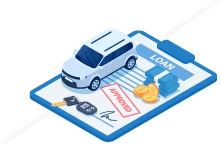
The automotive sales and finance industries face unique challenges related to asset management and risk mitigation. GPS tracking for auto lenders and dealerships provides a powerful tool for protecting collateral and streamlining collections processes. For Buy Here Pay Here (BHPH) and subprime auto finance providers, these solutions are particularly vital.
By equipping financed vehicles with a reliable GPS tracking device, lenders and dealers maintain visibility over their assets. This is crucial for collateral protection and asset recovery. In the event of a loan default, the ability to quickly and accurately locate a vehicle significantly improves the chances of a successful recovery. Features like geofencing alerts can notify you if a vehicle leaves a designated area, providing an early warning of potential issues. Advanced features, such as a starter interrupt, can also be utilized as part of the collections process, subject to local regulations. Our team is happy to discuss how these systems can be integrated into your operations; feel free to contact us for more information.
Enhancing Personal Vehicle Security and Family Safety
Automotive telematics is not just for businesses. Individual car owners and families can also benefit immensely from this technology. A personal car tracking service offers an effective layer of security against theft. If your vehicle is stolen, real-time GPS tracking provides law enforcement with the exact location, dramatically increasing the odds of recovery.
Beyond theft, these systems provide valuable features for families. Parents of new drivers can use a teen driver GPS tracking system to monitor driving habits. You can receive car speed alerts on your phone if your child exceeds a preset limit or get a notification when they arrive at their destination. Some systems even include a vehicle crash notification service, which can automatically alert emergency contacts in the event of a significant impact. This blend of security and safety monitoring provides invaluable peace of mind for any car owner.
The Underlying Technology: Hardware and Software
The effectiveness of any telematics solution depends on the quality of its hardware and software. The hardware component is the physical GPS tracking device installed in the vehicle. These can range from simple plug-and-play units that connect to the OBD-II port to more discreet and secure hardwired GPS tracking devices. Modern trackers utilize 4G LTE cellular technology for fast and reliable data transmission across the country.
On the other side is the software platform. A powerful, user-friendly GPS tracking cloud software is essential for making sense of the collected data. Look for a platform that offers a real-time GPS tracking dashboard, comprehensive fleet management reporting tools, and a dedicated GPS tracking mobile app for monitoring on the go. The ability to set up custom alerts, such as geofence notifications and speeding warnings, delivered via email or text, is also a key feature. For businesses with existing software, like a Dealer Management System (DMS) or CRM, a vehicle tracking API can allow for seamless data integration, creating a unified operational workflow. Discover more about our company's commitment to technology by visiting our about us page.
Frequently Asked Questions About Automotive Telematics
What is automotive telematics?
Automotive telematics is the technology of sending, receiving, and storing information related to vehicles via telecommunication devices. It combines GPS systems, onboard vehicle diagnostics, and cellular communication to track, monitor, and manage vehicles. The data collected can include location, speed, engine health, driver behavior, and more, which is then analyzed and presented through a software platform.
How can telematics benefit my business fleet?
For a business fleet, telematics offers numerous benefits that contribute to a strong return on investment. It can help reduce fuel costs by monitoring idle time and optimizing routes, improve driver safety through behavior monitoring and coaching, enhance vehicle lifespan with proactive maintenance alerts, and increase customer satisfaction by providing more accurate arrival times and faster dispatching. It also provides a robust tool for asset protection and recovery.
Is professional installation required for GPS tracking devices?
It depends on the type of device. Some GPS trackers are "plug-and-play" and can be easily installed by plugging them into the vehicle's OBD-II port. However, for a more secure and discreet solution, a hardwired GPS tracking device is recommended. These units are connected directly to the vehicle's electrical system and are typically installed professionally to be hidden from view, making them tamper-resistant.
Can telematics help recover a stolen vehicle?
Yes, one of the primary benefits of a telematics system is its effectiveness as a stolen vehicle recovery tool. The GPS tracker can provide law enforcement with the real-time location of the stolen vehicle, significantly increasing the chances of a quick and successful recovery. Many systems also feature alerts that can notify you immediately of unauthorized vehicle movement.
How does driver behavior monitoring work?
Driver behavior monitoring relies on data from the GPS unit and a built-in accelerometer. The system records events such as harsh braking, rapid acceleration, and sharp cornering. It also uses GPS data to track speed and compares it to posted speed limits. This information is compiled into reports and driver scorecards, allowing fleet managers or parents to identify risky driving habits and provide targeted feedback or training.