In today's connected world, automotive tracking technology has evolved far beyond simple map dots. Modern systems offer a powerful suite of tools for both personal vehicle owners and businesses, enhancing security, safety, and operational efficiency. Whether you are looking to protect your family car from theft, monitor a new teen driver's habits, or manage a commercial fleet, GPS tracking provides invaluable real-time data and peace of mind. These advanced solutions use a combination of GPS satellites and cellular networks to deliver precise location information, speed alerts, trip histories, and driver behavior analytics directly to your computer or smartphone. Understanding how this technology works is the first step toward leveraging its many benefits. From stolen vehicle recovery services to sophisticated fleet management reporting, the applications are as diverse as the drivers on the road. Explore the possibilities and discover how GPS tracking can add a new layer of control and confidence to your automotive experience.
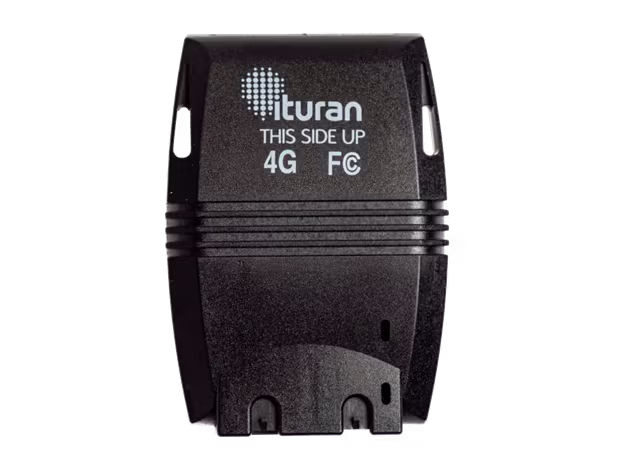
Payment Reminder (optional)
Parking Behavior Report
Accident Notification
Tow Alert
Impound Lots Monitor
Mileage Tracking
Special Relays for Faster Installation
Backup Battery
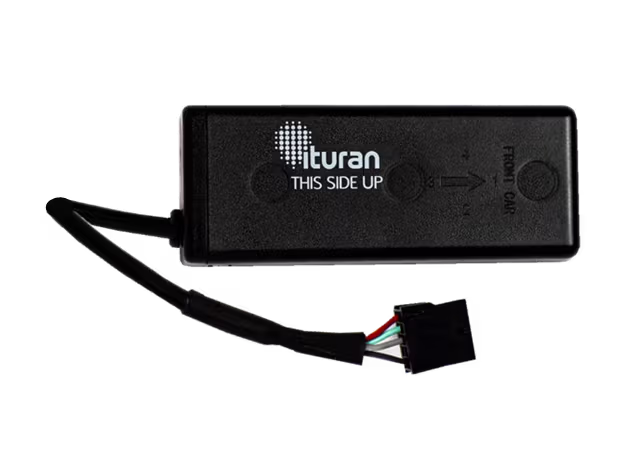
Accident Notification
Tow Alert
Impound Lots Monitor
Mileage Tracking
OBD Installation (optional)
Backup Battery
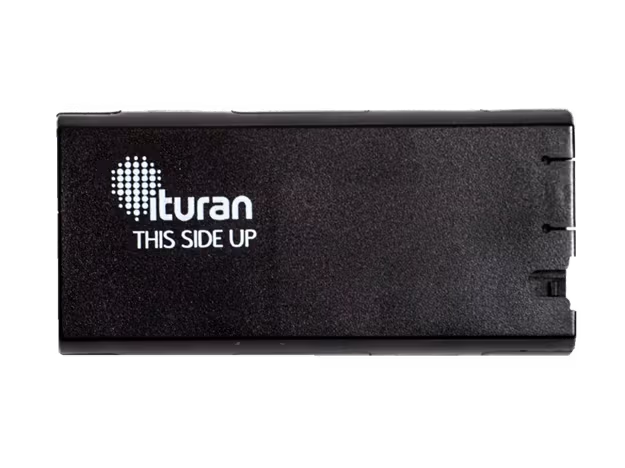
Cost Effective Device
Flexible Tracking Intervals
3 Year Battery Life
Harnessing the power of this technology empowers you to make smarter, safer decisions. For families, it means knowing your loved ones and your valuable assets are protected. For businesses, it translates into reduced operational costs, improved productivity, and a stronger safety culture. Features like geofencing alerts, harsh braking monitoring, and detailed trip reports provide actionable insights that can save money on fuel and maintenance while promoting driver accountability. As we delve deeper, we will explore the specific features and benefits that make automotive GPS tracking an indispensable tool in the modern era.
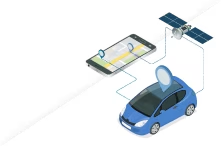


A Comprehensive Guide to Vehicle GPS Tracking Systems
Automotive tracking technology, often referred to as telematics, represents a significant leap forward in how we interact with and manage our vehicles. At its core, the system utilizes a small hardware device installed in the vehicle. This device receives signals from the Global Positioning System (GPS) satellite network to determine its exact location, speed, and direction of travel. It then transmits this data, along with other vehicle diagnostics, over a cellular network to a central server. Users can access this information in real-time through a web-based software platform or a dedicated mobile app. This seamless integration of hardware, software, and wireless communication is what makes real-time vehicle GPS tracking so powerful and versatile.
The applications of this technology span a wide range of needs, from individual car owners to large-scale commercial enterprises. For anyone interested in learning more about our company and its mission, you can visit our about us page.
Personal Vehicle Tracking: Security and Peace of Mind
For the individual car owner, the primary benefits of GPS tracking often revolve around security and family safety. A GPS tracking for stolen car recovery system is one of the most effective tools for asset protection. In the unfortunate event of a theft, you and law enforcement can pinpoint the vehicle's exact location, dramatically increasing the chances of a swift recovery. Many systems offer features like car movement alerts, which notify you instantly if your vehicle is moved without your knowledge, providing an early warning against theft or unauthorized use. Another popular application is monitoring new or teen drivers. Parents can use a teen driver gps tracking system to receive vehicle speeding alerts and establish geofence alerts, which send a notification when the car enters or exits a predefined area, such as school or home. This provides valuable insight into driving habits and encourages safer behavior on the road.
Fleet Management and Business Applications
For businesses that operate vehicles, fleet management GPS tracking is a game-changing technology. It provides a level of operational visibility that was previously impossible, allowing managers to optimize routes, reduce costs, and improve customer service. Key benefits for commercial fleets include:
- Enhanced Efficiency: Real-time fleet tracking allows for smarter dispatching and routing. By monitoring traffic patterns and vehicle locations on a fleet tracking dashboard, businesses can assign the closest driver to a job and provide more accurate ETAs to customers. This is crucial for local delivery, field service, and logistics companies.
- Cost Reduction: A major advantage is the ability to monitor and correct behaviors that waste fuel, such as excessive fleet idling, speeding, and inefficient routing. Fleet fuel efficiency tracking software provides data that helps businesses cut fuel costs significantly. Additionally, fleet maintenance monitoring can send alerts based on mileage, helping to prevent costly breakdowns.
- Improved Driver Safety: A driver safety monitoring system is a critical component of modern fleet telematics. These systems track behaviors like harsh braking, rapid acceleration, and speeding. Fleet driver scorecards and detailed driving behavior reports help managers identify at-risk drivers and implement targeted training, fostering a culture of safety and reducing accidents.
- Asset Protection: GPS tracking is essential for securing valuable commercial vehicles and the equipment they carry. In addition to stolen vehicle recovery, geofencing can be used to create virtual perimeters around job sites or yards, alerting managers if a vehicle or asset leaves the area after hours.
Our blog often features articles on the latest advancements and best practices in fleet management, which you can read at blog.
Solutions for Auto Dealerships and Lenders
Within the automotive finance industry, GPS tracking technology serves as a vital tool for risk mitigation and collateral management. For Buy Here Pay Here (BHPH) and subprime auto lenders, a reliable buy here pay here GPS tracking system is crucial for protecting their portfolios. These devices help lenders stay connected to their assets after they leave the lot. In cases of loan delinquency, the technology simplifies the process of vehicle recovery. Instead of spending significant time and resources searching for a vehicle, a lender can use the GPS portfolio management platform to quickly locate the collateral. Features such as a starter interrupt or a payment reminder can also be used in accordance with local regulations to encourage timely payments. This technology provides a layer of security that can make financing options more accessible to a wider range of customers. If you have questions about financing, our get pre-approved page is a great place to start.
Choosing the Right Automotive Tracking System
With so many automotive gps tracking companies on the market, selecting the right solution depends on your specific needs. For personal use, a simple plug-and-play device with a user-friendly mobile app might be sufficient. For a small business fleet, you may want a system with more robust reporting features, like trip histories and driver scorecards. Large enterprises often require advanced fleet telematics solutions with capabilities for API integration, allowing GPS data to be fed into other business systems like dispatch or payroll software. When comparing providers, consider factors like hardware reliability, software features, cellular coverage, and the quality of customer support. For any questions about our products or services, do not hesitate to contact us. Your data privacy is important, and you can review our policies at our privacy policy page.
Frequently Asked Questions About Automotive Tracking
How is a GPS tracking device installed in a vehicle?
Installation methods vary. Some devices are simple plug-and-play units that connect to the vehicle's OBD-II port, typically located under the dashboard. Others are hardwired devices that are professionally installed by being connected directly to the vehicle's power source. Hardwired installations are more covert and tamper-resistant, making them ideal for theft recovery and fleet management applications.
Does a GPS tracker use my phone's data?
No, the GPS tracking device itself does not use your personal phone's data plan. The tracker has its own built-in cellular SIM card that it uses to transmit location data to the service provider's servers. You then use your phone's data or a Wi-Fi connection to access this information through a mobile app or web browser, but the device's data transmission is separate.
Can GPS tracking help lower my insurance premiums?
In some cases, yes. Many insurance companies offer discounts for vehicles equipped with anti-theft devices, which includes GPS tracking systems for stolen vehicle recovery. For commercial fleets, demonstrating the use of a driver safety monitoring system can also potentially lead to lower premiums by showing a commitment to reducing accidents and risk.
What is geofencing and how does it work?
Geofencing is a feature that allows you to create virtual boundaries around specific geographic locations on a map. The GPS tracking system can then send you an alert via text message or email whenever the vehicle enters or exits one of these predefined zones. This is useful for parents monitoring if a teen has arrived at school, or for businesses to know when a driver arrives at a job site.
Is it legal to use a GPS tracker on a vehicle?
It is generally legal to install and use a GPS tracking device on a vehicle that you own. For businesses tracking company vehicles, it is also legal, though it is a best practice to disclose this policy to employees. However, laws vary by state, particularly regarding placing a tracker on a vehicle you do not own. It is important to be aware of and comply with all applicable local, state, and federal laws regarding GPS tracking.