
Managing a small fleet of vehicles presents a unique set of challenges. Whether you operate a delivery service, a landscaping business, or a team of field technicians, maintaining visibility over your assets is crucial for success. The best GPS tracking for small fleets provides more than just a location on a map; it offers a comprehensive toolkit to enhance efficiency, reduce operating costs, and improve driver safety. By leveraging real-time data, you can optimize routes to save on fuel, monitor driving behavior to lower insurance premiums, and schedule proactive maintenance to prevent costly downtime. A robust fleet telematics solution empowers business owners to make informed decisions, streamline operations, and gain a significant competitive advantage. It transforms your company vehicles from simple transportation into valuable, data-generating assets that contribute directly to your bottom line, providing peace of mind and greater control over your daily operations.
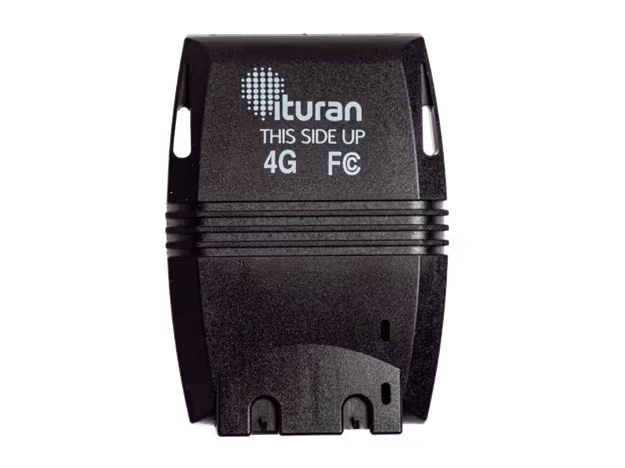
Payment Reminder (optional)
Parking Behavior Report
Accident Notification
Tow Alert
Impound Lots Monitor
Mileage Tracking
Special Relays for Faster Installation
Backup Battery
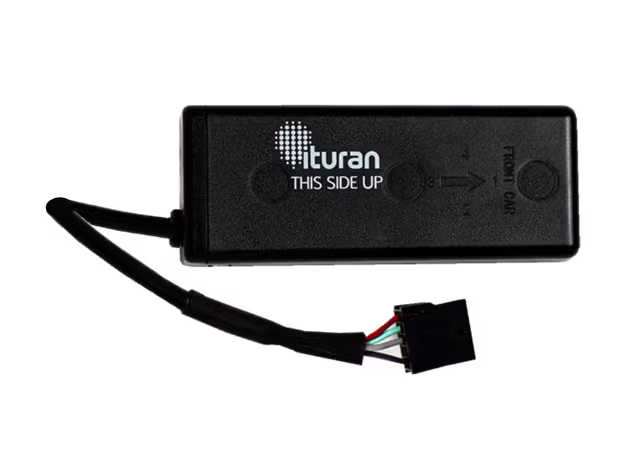
Accident Notification
Tow Alert
Impound Lots Monitor
Mileage Tracking
OBD Installation (optional)
Backup Battery
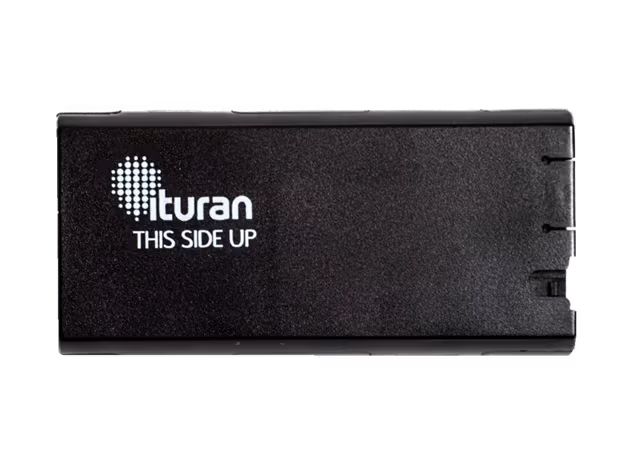
Cost Effective Device
Flexible Tracking Intervals
3 Year Battery Life
Implementing a GPS tracking system is a strategic investment in the future of your business. The right platform provides the operational intelligence needed to scale effectively, ensuring that as your fleet grows, your ability to manage it grows as well. From detailed trip histories and fuel consumption reports to instant alerts for unauthorized use or maintenance needs, you gain complete command over your mobile assets. Explore our our services to learn how our advanced automotive GPS tracking systems can be tailored to meet the specific demands of your small business.


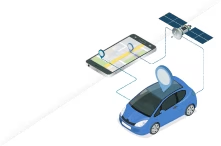


Unlocking Potential: A Deep Dive into GPS Tracking for Small Business Fleets
For a small business, every dollar and every minute counts. Managing a fleet of vehicles, no matter the size, involves significant expenses, from fuel and maintenance to insurance and labor. Without proper oversight, these costs can quickly spiral out of control, eroding profits and hindering growth. This is where small business fleet GPS tracking becomes an indispensable tool. It provides the critical visibility and data analytics necessary to turn your fleet into a lean, efficient, and highly productive part of your operation. By moving beyond simple location tracking, modern systems offer a suite of features designed to address the core challenges faced by fleet managers.
The core benefit lies in transforming reactive problem-solving into proactive management. Instead of dealing with the fallout from an inefficient route or an unexpected breakdown, you can anticipate issues and optimize performance in real time. This shift allows you to deliver better service to your customers, support your drivers more effectively, and build a more resilient and profitable business. Let's explore the essential features and benefits that the best GPS tracking systems offer to small fleets.
Core Benefits of Implementing a Fleet Monitoring System
Adopting a fleet monitoring system offers tangible returns on investment that can be seen across your entire operation. These benefits go far beyond knowing where your vehicles are at any given moment.
- Enhanced Operational Efficiency: With real-time vehicle location data, you can dispatch the nearest driver to a new job, reducing travel time and fuel consumption. Route optimization features help plan the most efficient paths for daily schedules, allowing your team to complete more jobs in less time.
- Significant Cost Reduction: Monitoring driver behavior such as speeding, excessive idling, and harsh braking can lead to a dramatic decrease in fuel costs. Furthermore, many insurance providers offer discounts for fleets equipped with GPS tracking and driver monitoring systems, recognizing the reduced risk.
- Improved Driver Safety and Accountability: A safer fleet is a more productive one. Receive instant alerts for unsafe driving habits, allowing you to address issues with coaching and training. Driver scorecards can create a culture of accountability and encourage safer practices on the road.
- Proactive Vehicle Maintenance: Modern GPS solutions can track engine hours and mileage to automate maintenance schedules. Receive alerts for upcoming service needs, like oil changes or tire rotations, helping you prevent expensive breakdowns and extend the life of your vehicles.
- Superior Customer Service: When a customer calls for an estimated time of arrival, you can provide a precise, real-time update instead of a vague guess. This level of professionalism builds trust and improves customer satisfaction and retention.
- Robust Asset Security: Protect your most valuable assets from theft. A stolen vehicle recovery GPS system allows for immediate location tracking to assist law enforcement. Geofencing alerts can notify you instantly if a vehicle leaves a designated area after hours, preventing unauthorized use.
Must-Have Features in a GPS Tracking Solution for Small Fleets
When comparing fleet GPS tracking companies, it is important to focus on the features that will deliver the most value to your specific business needs. While the market is filled with options, a few key functionalities stand out as essential for any small fleet manager.
Real-Time Tracking: The cornerstone of any system is the ability to see your vehicles' locations live on a map. Look for systems that offer fast refresh rates (typically every 30-60 seconds) so you always have up-to-date information for dispatching and monitoring.
Geofencing and Alerts: Geofencing allows you to create virtual boundaries around specific locations, such as job sites, your office, or restricted areas. The system can send you automatic notifications via text or email whenever a vehicle enters or exits one of these zones, which is invaluable for verifying arrivals and departures and preventing unauthorized stops.
Driver Behavior Monitoring: To truly manage costs and safety, you need insight into how your vehicles are being driven. The best systems monitor and report on key behaviors like speeding, rapid acceleration, harsh braking, and extended idling. This data is critical for driver coaching and reducing wear and tear on your fleet.
Comprehensive Reporting Suite: Data is only useful if it is easy to understand. A quality GPS tracking software platform will offer a wide range of customizable reports. This includes trip history, idle time summaries, driver scorecards, fuel usage, and maintenance logs. These reports help you identify trends and make data-backed decisions to improve your operations.
Maintenance Management: Look for solutions that include tools for tracking and scheduling vehicle maintenance. By setting up reminders based on mileage, engine hours, or time, you can ensure your fleet remains in top condition, minimizing unexpected downtime and repair costs.
Remote Starter Interrupt: For businesses that finance their own vehicles or simply want the highest level of security, a starter interrupt GPS feature is critical. This technology, like our Control-IT product, allows you to remotely disable a vehicle's starter, which can be an effective tool for asset recovery and risk management.
Choosing the Right Partner for Your Fleet
Selecting the best GPS tracking solution involves more than just comparing features. The provider you choose becomes a partner in your business's success. Consider their industry experience, customer support reputation, and the overall quality of their hardware and software. At our company, we pride ourselves on understanding the unique needs of businesses that rely on vehicles every day. For more information about our mission and values, please visit our about us page. Our team is dedicated to providing reliable technology and exceptional support to help you achieve your goals. If you have any questions or want to discuss a custom solution, do not hesitate to contact us.
How much does GPS tracking for a small fleet typically cost?
The cost of GPS tracking for a small fleet varies based on several factors, including the number of vehicles, the type of hardware selected, and the specific software features you need. Most providers operate on a subscription model, which includes the cost of the hardware, software access, and cellular data, often ranging from $15 to $40 per vehicle per month. Some companies may have an upfront hardware cost, while others bundle it into the monthly fee.
Is GPS tracking difficult to install?
Installation varies by device. Some GPS trackers are simple plug-and-play devices that connect directly to a vehicle's OBD-II port, taking only a minute to install. More advanced systems with features like starter interrupt may require a hardwired installation, which is typically performed by a professional technician to ensure it is done correctly and securely. Many providers offer installation services or detailed guides.
Can I monitor my fleet from my smartphone?
Absolutely. Nearly all modern fleet tracking solutions offer a dedicated mobile app for both iOS and Android devices. These apps provide access to core features on the go, including real-time location tracking, driver activity reports, and instant alerts, allowing you to manage your fleet from anywhere, at any time.
How does GPS tracking help reduce fuel costs?
GPS tracking helps lower fuel expenses in multiple ways. It enables route optimization to ensure drivers take the shortest, most efficient paths. It also monitors and flags fuel-wasting behaviors like excessive idling, speeding, and aggressive driving. By addressing these habits and improving routes, businesses can see a significant reduction in their overall fuel consumption.
What is the difference between active and passive GPS tracking?
Active GPS tracking systems transmit data in real time over a cellular network, allowing you to monitor your vehicles live from a web-based platform or mobile app. This is the standard for modern fleet management. Passive systems, on the other hand, store location data on the device itself, which must then be physically retrieved and downloaded to a computer. Active tracking is far more beneficial for day-to-day fleet management, security, and dispatching.