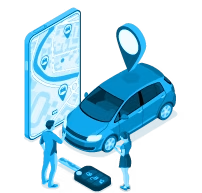
In the competitive landscape of Buy Here Pay Here (BHPH) and in-house financing, managing your vehicle portfolio effectively is paramount to success. BHPH GPS tracking systems offer a powerful solution for mitigating risk and protecting your valuable assets. These advanced platforms provide real-time location data, which is crucial for managing your entire portfolio of financed vehicles. By integrating automotive GPS tracking technology, dealerships can streamline collections, improve communication with customers, and have a reliable method for vehicle recovery if an account becomes delinquent. This technology serves as a cornerstone for a secure and profitable financing program, offering peace of mind and operational control. Implementing a robust vehicle tracking system is a strategic move for any dealership looking to safeguard its investments and maintain a healthy bottom line in the subprime auto lending market.
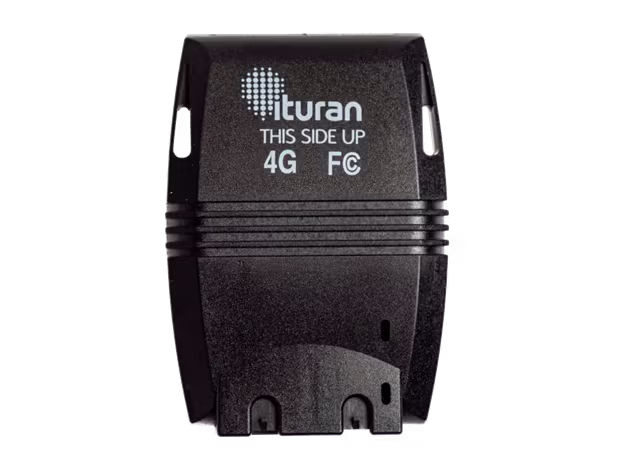
Payment Reminder (optional)
Parking Behavior Report
Accident Notification
Tow Alert
Impound Lots Monitor
Mileage Tracking
Special Relays for Faster Installation
Backup Battery
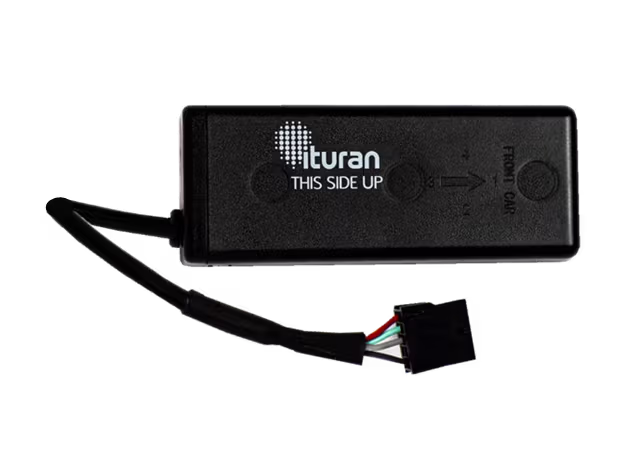
Accident Notification
Tow Alert
Impound Lots Monitor
Mileage Tracking
OBD Installation (optional)
Backup Battery
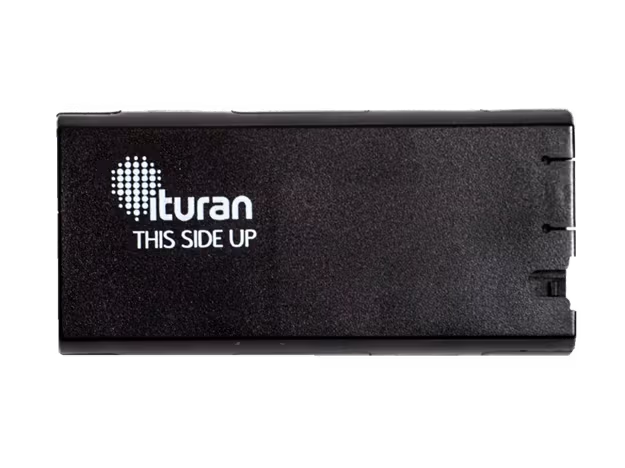
Cost Effective Device
Flexible Tracking Intervals
3 Year Battery Life
Leveraging GPS tracking for financed cars goes beyond simple location monitoring. Modern systems come equipped with a suite of tools designed to enhance dealership operations. Features like automated payment reminders can help customers stay on track, potentially improving payment consistency. Furthermore, sophisticated software platforms provide detailed analytics and reporting, giving you deeper insights into your portfolio's performance. For dealerships that offer in-house financing, this technology is not just an insurance policy; it is an active management tool that empowers you to run a more efficient and responsive business.



A Deep Dive into Automotive GPS Tracking for BHPH Operations
The Buy Here Pay Here business model provides a vital service to customers who may not have access to traditional financing options. However, this model also carries a higher level of inherent risk for the dealership acting as the lender. Protecting the collateral—the vehicle—is the most critical aspect of managing this risk. This is where automotive GPS tracking systems become an indispensable tool for independent and BHPH dealers. These systems are specifically designed to address the unique challenges of subprime auto finance, offering a comprehensive solution for asset protection, portfolio management, and operational efficiency.
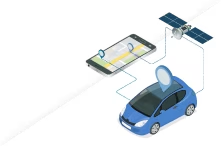
A modern GPS platform is more than just a dot on a map. It is a sophisticated ecosystem of hardware and software that works in unison to provide dealerships with complete control and visibility over their financed inventory. The small, discreet hardware device installed in the vehicle communicates with a cloud-based software platform, accessible via a web browser or mobile app. This allows your team to monitor vehicle locations, set up alerts, and manage your entire portfolio from a single dashboard. This level of control is transformative for dealerships, shifting asset management from a reactive process to a proactive strategy.
Core Features of a Dealer GPS Tracking Solution
When evaluating GPS tracking solutions for your dealership, it is important to look for a comprehensive set of features that address the full spectrum of BHPH needs. The right platform can dramatically improve your collections process and reduce the costs associated with delinquencies and repossessions. Here are some of the most vital features:
- Real-Time Vehicle Location Tracking: The ability to instantly locate any vehicle in your portfolio is the foundation of any dealer GPS system. This is essential for asset recovery and for verifying customer information.
- Starter Interrupt and Disable Technology: This feature allows the dealership to remotely prevent a vehicle from starting in cases of severe delinquency, per the terms of the financing agreement and state laws. It is a powerful tool for encouraging communication and payment.
- Geofencing Capabilities: Create virtual boundaries around specific geographic areas. You can receive instant alerts via text or email if a vehicle enters or exits a designated zone, such as state lines, impound lots, or international borders.
- Payment Reminder Systems: Some advanced devices include an audible alert inside the vehicle that can be activated to remind customers of an upcoming or past-due payment, serving as a non-confrontational collection tool.
- Detailed Reporting and Analytics: A robust software platform will offer comprehensive reports on vehicle history, stop locations, mileage, and more. This data is invaluable for understanding portfolio trends and making informed business decisions.
- Mobile App Accessibility: The ability for your team to access the tracking platform from anywhere on a smartphone or tablet is crucial for efficient field operations, especially during vehicle recovery efforts.
Enhancing Vehicle Recovery and Mitigating Loss
Unfortunately, repossessions are a reality in the BHPH industry. A GPS vehicle recovery system transforms this process from a costly and time-consuming search into a streamlined, efficient operation. Before GPS technology, recovery agents could spend days or weeks trying to locate a vehicle based on old addresses and limited information. With a GPS-enabled vehicle recovery system, the exact location can be pinpointed in seconds.
This speed and accuracy not only reduce the direct costs of recovery but also minimize the time the asset is out of your control, reducing the potential for damage or depreciation. Furthermore, the presence of a starter-interrupt device can sometimes prevent the need for a physical repossession altogether. When a customer knows the vehicle can be disabled, it often provides a strong incentive to contact the dealership and make payment arrangements. This approach helps preserve the customer relationship while still protecting your asset. For more information on our company's commitment to these technologies, you can learn more on our about us page.
Integration with Your Dealer Management System (DMS)
Efficiency is key in any dealership, and disconnected systems can create data silos and wasted time. Leading dealer GPS tracking solutions offer integration capabilities with major Dealer Management Systems (DMS). This integration streamlines your workflow by syncing customer and vehicle data between the two platforms. For example, when you finance a vehicle in your DMS, the information can automatically populate in the GPS tracking platform, activating the new device.
This automation reduces manual data entry, minimizes errors, and ensures that your collections and asset management teams always have the most up-to-date information. A DMS-integrated GPS platform creates a more cohesive operational environment, allowing your staff to focus on customer service and sales rather than administrative tasks. If you have questions about how our systems work, please do not hesitate to contact us.
Frequently Asked Questions About BHPH GPS Systems
Is it legal for a dealership to put a GPS tracker on a financed car?
Yes, in most states it is legal for a lender to install a GPS tracking device on a vehicle that serves as collateral for a loan. The key requirement is transparency. The use of the device and its functions, such as starter interrupt, must be clearly disclosed to the buyer in the financing agreement and other relevant paperwork. It is crucial for dealerships to be fully aware of and compliant with all state and local laws governing these devices.
What is a starter interrupt or starter disable feature?
A starter interrupt, or starter disable, is a feature connected to the vehicle's ignition system. When activated remotely by the lender through the GPS platform, it prevents the vehicle's engine from starting. This is typically used as a last resort in cases of serious loan delinquency to prompt a customer to make contact or to aid in the recovery of the vehicle. Reputable systems are designed not to shut the vehicle off while it is in motion for safety reasons.
How does geofencing help a BHPH dealership?
Geofencing allows a dealer to set up virtual perimeters around specific locations. This is highly useful for risk management. For example, a dealer can create a geofence around state lines, impound lots, or shipping ports. If a vehicle from their portfolio crosses one of these digital fences, the system sends an immediate alert, allowing the dealer to take proactive steps to protect their asset from being towed, shipped out of the country, or taken to a jurisdiction where recovery is more difficult.
Can a customer find and remove the GPS tracking device?
Our GPS tracking devices are designed to be small, discreet, and installed in concealed locations within the vehicle by professional technicians. While it is technically possible for someone to find and remove a device, it is difficult to do without significant effort. Additionally, most systems include a tamper alert feature. If the device is disconnected from its power source or otherwise tampered with, the platform will send an instant notification to the dealership.
What happens to the GPS tracker data if the vehicle's battery dies?
Professional-grade automotive GPS trackers have a small internal backup battery. This battery allows the device to continue transmitting its location for a period even after the main vehicle battery has been disconnected or has died. It also enables the device to send a "power loss" alert to the dealership, which can be an indicator of tampering or a potential impound situation where the vehicle's battery has been drained.