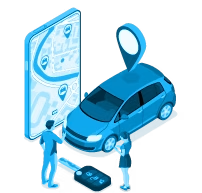
In today's automotive financing landscape, technology plays a crucial role in creating opportunities for both lenders and buyers. Collateral protection GPS tracking represents a significant advancement, offering a powerful tool for asset management and risk mitigation. For dealerships that provide in-house financing, these systems are essential for securing their investments in financed vehicles. This technology provides real-time location data, which is invaluable for inventory management and asset recovery. More importantly, it allows lenders to work with a broader range of credit profiles, potentially opening doors for customers who might otherwise face challenges securing an auto loan. By reducing the financial risk associated with lending, dealerships can extend flexible financing options, helping more people get behind the wheel of a reliable used vehicle. To learn more about our approach, please visit our about us page.
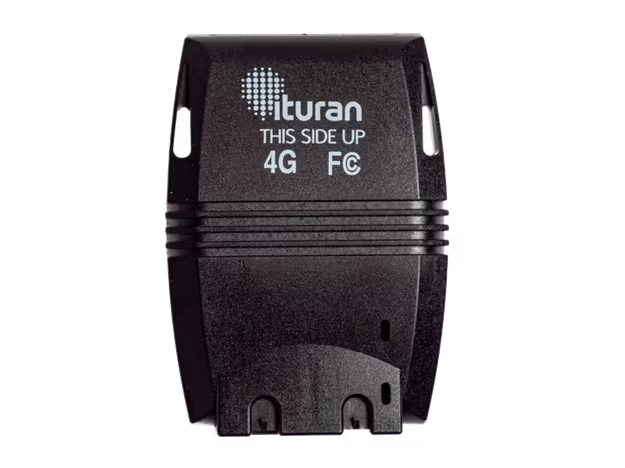
Payment Reminder (optional)
Parking Behavior Report
Accident Notification
Tow Alert
Impound Lots Monitor
Mileage Tracking
Special Relays for Faster Installation
Backup Battery
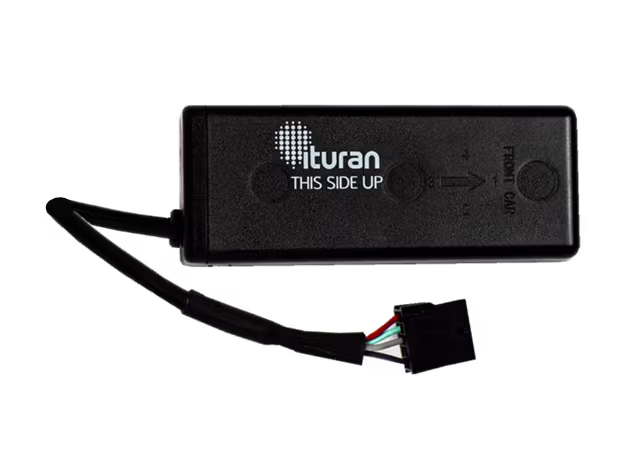
Accident Notification
Tow Alert
Impound Lots Monitor
Mileage Tracking
OBD Installation (optional)
Backup Battery
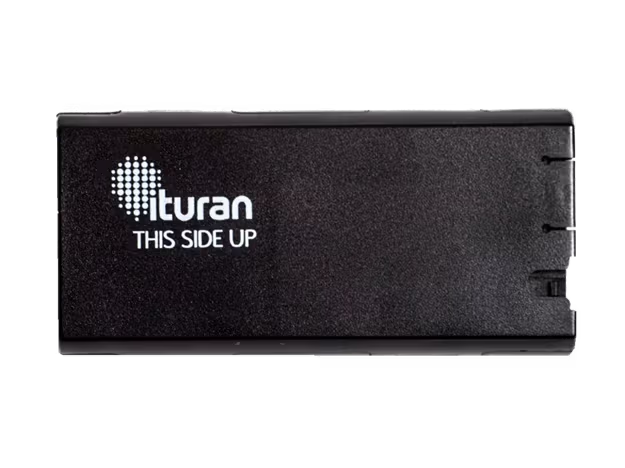
Cost Effective Device
Flexible Tracking Intervals
3 Year Battery Life
For customers, a vehicle equipped with GPS tracking technology offers more than just a path to financing. It provides a modern layer of security and peace of mind. In the unfortunate event of theft, the ability to track a vehicle's location in real time dramatically increases the chances of a swift recovery. Some systems also offer additional personal safety features, such as impact alerts and the ability to set geofence boundaries for family members. This technology is a key component in how we are able to help many customers get pre-approved for financing.



A Comprehensive Look at Automotive GPS Tracking for Collateral Protection
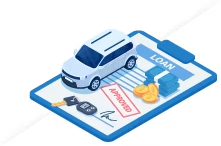
Collateral protection is a foundational concept in the world of lending. When a loan is issued for a physical asset like a car, that vehicle serves as the collateral. If the borrower defaults on the loan, the lender has a right to recover the asset to offset the loss. In the automotive industry, especially for Buy Here Pay Here (BHPH) and subprime auto lenders, managing the risk associated with this collateral is paramount. This is where modern automotive GPS tracking systems become an indispensable tool. These sophisticated devices provide a technological solution for managing a portfolio of financed vehicles, improving efficiency and protecting assets from the moment they leave the lot until the loan is paid in full.
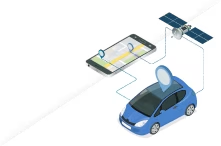
These are not just simple location trackers; they are comprehensive vehicle collateral monitoring systems designed specifically for the needs of auto finance companies and car dealers. By integrating a GPS tracking device into a financed vehicle, a lender gains real-time visibility into the location and status of their asset. This capability is critical for a variety of operational tasks, from simple inventory audits on a large lot to the complex process of vehicle recovery. The data provided by these systems empowers lenders to make informed decisions, streamline collections processes, and ultimately operate a more secure and successful business. To see how our process works, you can review our how it works guide.
Key Features of GPS Tracking Systems for Dealerships
Dealership GPS tracking solutions come with a suite of features tailored to the challenges of auto lending. These functions go far beyond simple mapping, providing proactive tools for risk management and communication.
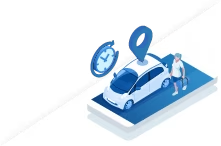
- Real-Time Vehicle Location: The core function of any system is the ability to see a vehicle's precise location on demand. This is essential for stolen vehicle recovery and for locating assets in the event of a loan default.
- Starter Interrupt and Starter Disable: This feature allows a lender to remotely prevent a vehicle from being started. It is a powerful tool used in the collections process for delinquent auto loans. The starter interrupt function is typically used only after multiple communication attempts have failed and according to strict legal guidelines.
- Geofencing Alerts: Lenders can create virtual boundaries around specific geographic areas. If a vehicle enters or exits a designated geofence, such as a state line or an impound lot, the system sends an automatic alert. This helps in monitoring unauthorized vehicle movement and protecting assets.
- Payment Reminder Systems: Some advanced GPS devices are equipped with features that can provide in-vehicle alerts to the driver when a payment is approaching its due date or is past due. These reminders can be audible tones or blinking LEDs, serving as a non-intrusive way to prompt on-time payments.
- Detailed Reporting and History: These platforms log extensive data, including trip histories, mileage, and device status. This information can be valuable for verifying a vehicle's usage and condition, as well as for providing documentation during recovery efforts.
The Role of GPS in BHPH and Subprime Auto Financing
For independent and Buy Here Pay Here (BHPH) car dealerships, the entire business model revolves around providing in-house financing to customers who may not qualify for traditional bank loans. This often involves working with individuals who have limited or challenging credit histories. While this opens up vehicle ownership to more people, it also presents a higher level of risk for the dealer.
GPS tracking for BHPH dealers is a game-changer for risk management. By having a reliable way to locate and secure their collateral, these lenders can have more confidence in the loans they provide. This technology directly supports the viability of their business, allowing them to continue serving their community. It helps reduce the significant financial losses associated with vehicle theft and loan defaults, which in turn helps keep the business healthy and able to offer financing to future customers. The data from a dealer GPS tracking platform also provides insights into the entire loan portfolio, helping managers identify trends and manage risk more effectively across all their financed vehicles.
Benefits for the Vehicle Owner
While the primary purpose of collateral protection GPS is to secure the lender's asset, the technology offers significant and direct benefits to the driver as well. The most obvious advantage is vehicle theft recovery. With a real-time GPS tracker installed, the chances of law enforcement locating and recovering a stolen car increase dramatically. This is a powerful security feature that provides peace of mind for any car owner.
Furthermore, the presence of this technology is often what makes financing possible in the first place. By mitigating risk for the lender, GPS devices enable dealerships to approve auto loans for a wider array of customers. For someone rebuilding their credit, this can be the key that unlocks the door to owning a reliable vehicle needed for work, family, and daily life. Some modern systems also include consumer-facing features like a car locator app, teen driver speed alerts, and vehicle movement notifications, adding extra layers of personal security and convenience. If you have any questions about our policies, please review our privacy policy or contact us directly.
Frequently Asked Questions
What is collateral protection GPS tracking?
Collateral protection GPS tracking refers to the use of a GPS device installed in a vehicle that has been financed. It allows the lending institution, such as a car dealership or auto finance company, to monitor the location of the vehicle, which serves as collateral for the loan. This technology is used to mitigate risk, assist in stolen vehicle recovery, and aid in asset recovery if a loan goes into default.
Is it legal for a dealership to put a GPS tracker on a financed car?
Yes, in most jurisdictions it is legal for a lender to install a GPS tracking device on a vehicle that they hold the title to as collateral for a loan. However, this practice is subject to state and federal laws. The use of the device and its features must be fully disclosed to the buyer in the financing agreement that is signed at the time of purchase.
Can a lender disable my car with a GPS tracker?
Some GPS tracking systems include a feature known as a starter interrupt. This allows the lender to remotely prevent the vehicle from starting. This function is typically used as a last resort in the collections process after a loan has become significantly delinquent and multiple attempts to contact the borrower have been unsuccessful. The specific terms and conditions under which this feature can be used are outlined in the loan agreement and are governed by state laws.
How does a GPS tracker help if my car is stolen?
If your car is stolen, the GPS tracking device is an incredibly valuable tool for recovery. You should first file a police report and then notify your lender. The lender can use the real-time location data from the GPS tracker to provide authorities with the exact whereabouts of your vehicle, which greatly increases the likelihood of a fast and safe recovery.
Will a GPS tracking device drain my car's battery?
Professionally installed, high-quality automotive GPS tracking devices are designed to be extremely energy efficient. They draw a very minimal amount of power from the vehicle's battery, similar to the clock or radio's memory function. Most devices also feature a low-power "sleep mode" when the vehicle is turned off, so they should not cause any noticeable drain on a healthy car battery during normal operation.