
Managing a commercial fleet presents unique challenges, from controlling fuel costs and ensuring driver safety to optimizing routes and maximizing vehicle uptime. Gaining full visibility into your daily operations is critical for success. Our advanced commercial vehicle GPS tracking systems provide the powerful insights you need to transform your fleet management strategy. By leveraging real-time data, you can make informed decisions that reduce expenses, enhance productivity, and improve accountability across your entire mobile workforce. These sophisticated telematics solutions go far beyond simple location tracking, offering a comprehensive suite of tools designed to streamline every aspect of your operations. Whether you operate a small fleet of service vans or a large network of delivery trucks, implementing a robust GPS tracking solution is a fundamental step toward building a more efficient, safer, and more profitable business. Explore our Our Services to see how we can help.
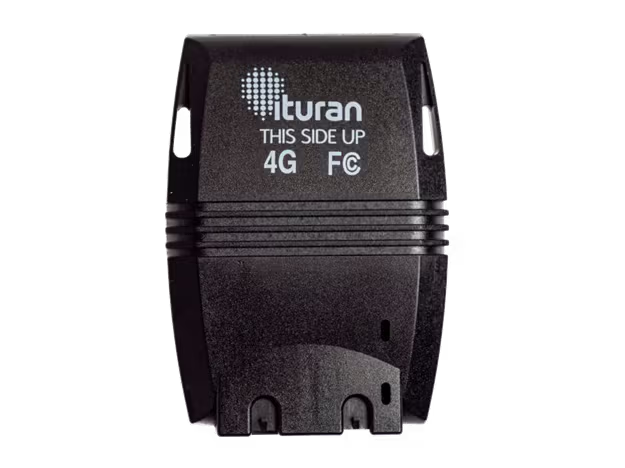
Payment Reminder (optional)
Parking Behavior Report
Accident Notification
Tow Alert
Impound Lots Monitor
Mileage Tracking
Special Relays for Faster Installation
Backup Battery
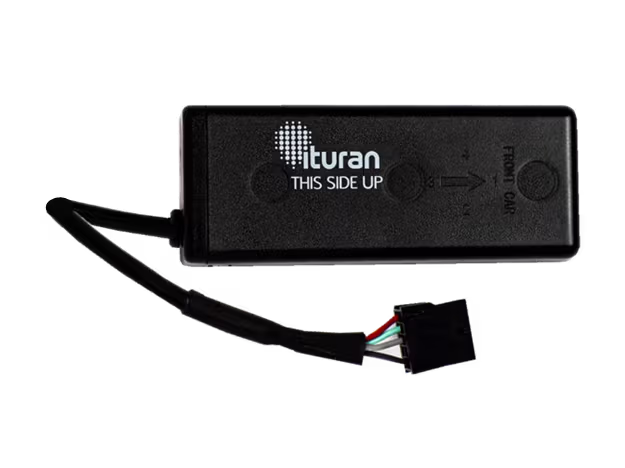
Accident Notification
Tow Alert
Impound Lots Monitor
Mileage Tracking
OBD Installation (optional)
Backup Battery
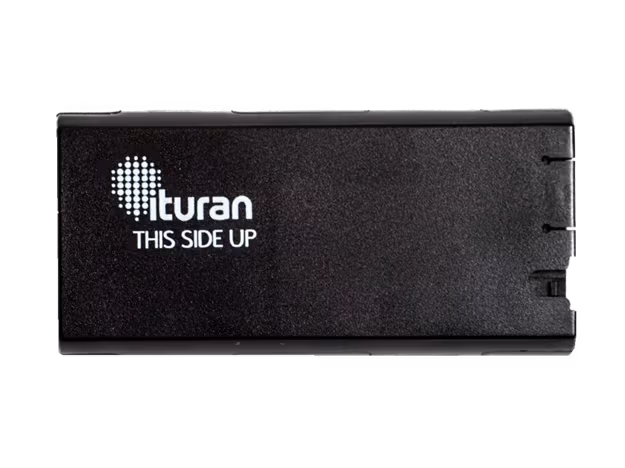
Cost Effective Device
Flexible Tracking Intervals
3 Year Battery Life
Investing in the right technology gives your business a significant competitive advantage. Our commercial vehicle telematics provide detailed analytics and actionable reports, turning raw data into a clear roadmap for operational improvement. Monitor key performance indicators, identify trends in driver behavior, and proactively address maintenance needs before they lead to costly downtime. With features like automated alerts and a user-friendly dashboard, you maintain complete control over your assets, empowering you to deliver superior service to your customers and achieve a stronger return on your investment.





Unlock Peak Fleet Performance with Comprehensive GPS Tracking
In today's fast-paced business environment, operational efficiency is not just an advantage; it's a necessity. Commercial vehicle GPS tracking has evolved from a simple dot on a map into a sophisticated GPS telematics fleet management system that serves as the central nervous system for your mobile operations. This technology combines GPS hardware installed in your vehicles with powerful cloud-based software, accessible from a desktop or mobile app. It captures a wealth of data points in real time, including vehicle location, speed, engine status, mileage, and more. By harnessing this information, fleet managers can gain unprecedented control and visibility, leading to smarter dispatching, safer driving habits, and a healthier bottom line. Understanding your fleet's every move allows you to identify inefficiencies and opportunities for improvement that would otherwise go unnoticed.
Key Business Benefits of Implementing Fleet Vehicle Tracking
Adopting a robust fleet vehicle tracking system provides tangible benefits that impact nearly every part of your business. From finance to operations to customer service, the positive effects are far-reaching. Companies that leverage this technology are better equipped to handle logistical challenges and scale their operations effectively.
- Significant Cost Reduction: Actively monitor and reduce fuel consumption by addressing wasteful habits like excessive idling and speeding. Our fleet idle time tracking helps you identify and correct costly driver behaviors. Proactive vehicle maintenance alerts, based on actual usage, also help prevent expensive breakdowns and extend the life of your assets.
- Enhanced Driver Safety and Accountability: Promote a culture of safety with comprehensive driver behavior monitoring. Receive instant alerts for harsh braking, rapid acceleration, and speeding. Use driver scorecards to provide constructive feedback and reward top performers, fostering accountability and reducing accident risks.
- Increased Productivity and Efficiency: Optimize routes to save time and fuel, allowing your drivers to complete more jobs each day. With a real-time fleet vehicle location dashboard, dispatchers can assign the nearest vehicle to a new job, improving response times and overall fleet productivity.
- Improved Asset Security: Protect your valuable vehicles and equipment from theft and unauthorized use. Set up geofences around job sites or storage yards and receive immediate fleet geofence alerts if a vehicle enters or leaves the area outside of working hours. In the event of theft, real-time tracking greatly increases the chances of a swift recovery.
- Superior Customer Service: Provide customers with highly accurate ETAs based on the real-time location of your service vehicles. Access detailed trip history reports to verify proof of service, resolve disputes quickly, and build trust with your client base.
GPS Tracking Features Tailored for Your Industry
Not all fleets are the same, which is why a flexible and feature-rich platform is essential. Our solutions can be customized to meet the specific demands of your industry, whether you are in construction, logistics, field services, or local delivery. We provide powerful tools that help you solve your unique operational challenges.
For businesses in trade services, such as GPS tracking for HVAC companies or plumbing contractors, knowing which technician is closest to an emergency call can dramatically improve customer satisfaction. Logistics and transportation companies benefit from detailed fleet route history reports and fuel efficiency tracking to optimize long-haul operations. Similarly, landscaping and pest control fleets can use geofencing to confirm that crews are servicing the correct properties and spending the appropriate amount of time at each location. Whatever your business, we offer a tracking solution to match. You can learn more about our company and our commitment to our clients by visiting our About Us page.
Making Data-Driven Decisions with Advanced Reporting
The true power of a GPS tracking system lies in its ability to collect and organize data into easy-to-understand reports. Our fleet management reporting and analytics tools transform complex information into actionable insights. You can generate a wide range of reports, including:
- Trip History Reports: View detailed records of every trip, including start and end times, locations, distance traveled, and idling duration.
- Driver Safety Scorecards: Objectively measure and rank driver performance based on events like speeding, harsh braking, and aggressive cornering.
- Fleet Fuel Efficiency Reports: Track fuel consumption across your entire fleet or by individual vehicle to identify opportunities for savings.
- Vehicle Maintenance Reports: Automate maintenance schedules with reminders based on mileage, engine hours, or time, helping you stay on top of preventive care.
By regularly reviewing these reports, you can pinpoint trends, address potential issues proactively, and continuously refine your fleet's performance. This data-centric approach removes guesswork from management, enabling you to build a more resilient and profitable operation. For any questions on how we handle your data, please see our Privacy Policy.
Frequently Asked Questions
What kind of data does a commercial GPS tracker collect?
A commercial GPS tracker collects a wide range of data points to provide a complete picture of your fleet's activity. Core data includes real-time vehicle location, speed, direction of travel, and mileage. Advanced systems also capture engine diagnostics like RPM, fuel level, engine hours, and fault codes. Additionally, they monitor driver behaviors such as harsh braking, rapid acceleration, and excessive idling time.
How is a GPS tracking device installed in a vehicle?
Installation varies depending on the device. Some are simple plug-and-play units that connect to the vehicle's OBD-II port, which can be done in minutes without any special tools. Others are hardwired devices that are installed more discreetly behind the dashboard. A hardwired installation is more secure and can connect to additional vehicle systems, such as the starter, to enable features like remote starter disable. Professional installation is often recommended for hardwired units.
Can GPS tracking help lower our fleet's insurance costs?
Many insurance providers offer discounts for fleets that use GPS tracking and telematics systems. The ability to monitor driver behavior, reduce speeding, and recover stolen vehicles more quickly lowers the overall risk profile of your fleet. By demonstrating a commitment to safety with features like a driver safety monitoring system, you may be able to negotiate for lower insurance premiums.
Is it legal to use GPS tracking on company vehicles?
In the United States, it is generally legal for a business owner to install and use GPS tracking devices on vehicles that the company owns. However, laws can vary by state, particularly regarding employee notification. It is considered a best practice to have a clear, written policy that informs all employees that company vehicles are equipped with tracking devices and explains how the collected data will be used for business purposes.
What is the difference between GPS tracking and fleet telematics?
GPS tracking primarily focuses on determining and reporting a vehicle's location. Fleet telematics is a broader term that encompasses GPS tracking but also includes the collection and analysis of a much wider range of vehicle and driver data. Telematics integrates GPS technology with onboard vehicle diagnostics and communications to provide deep insights into fuel consumption, maintenance needs, driver behavior, and overall fleet health.