
Implementing a robust GPS tracking system is a critical strategic decision for modern automotive dealerships, especially those involved in Buy Here Pay Here (BHPH) or in-house financing. Beyond simple location tracking, these advanced systems provide powerful tools for asset protection, risk mitigation, and streamlined collections. Understanding the various dealer GPS tracking pricing models is the first step toward unlocking a significant return on investment. The cost structure often involves a combination of hardware purchase, monthly service fees, and optional feature add-ons. Evaluating these components against the benefits of improved vehicle recovery rates, enhanced loan portfolio performance, and greater operational efficiency is essential. By choosing the right solution, you can secure your automotive assets and build a more resilient and profitable business. Explore our our services to see how we can help your dealership thrive.
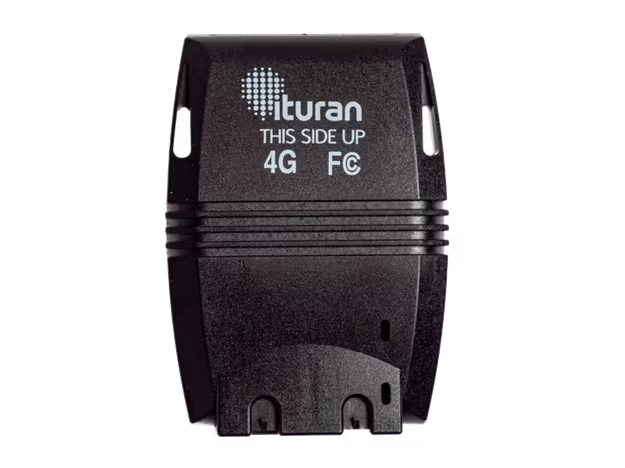
Payment Reminder (optional)
Parking Behavior Report
Accident Notification
Tow Alert
Impound Lots Monitor
Mileage Tracking
Special Relays for Faster Installation
Backup Battery
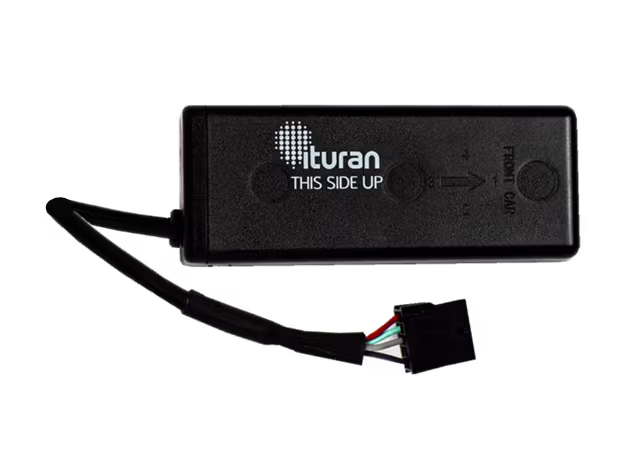
Accident Notification
Tow Alert
Impound Lots Monitor
Mileage Tracking
OBD Installation (optional)
Backup Battery
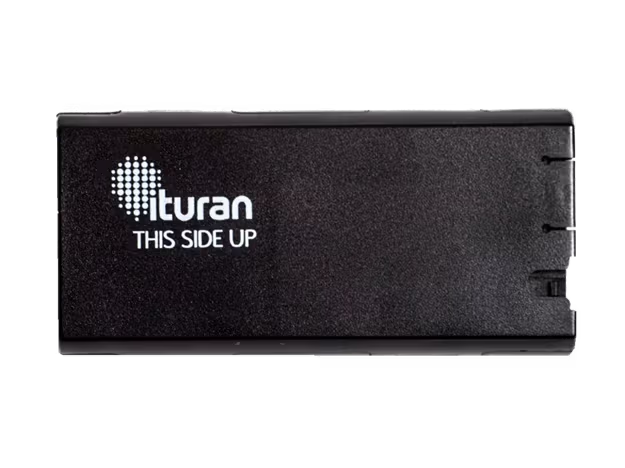
Cost Effective Device
Flexible Tracking Intervals
3 Year Battery Life
Navigating the costs associated with automotive GPS tracking systems can seem complex, but it is a worthwhile investment in your dealership's security and financial health. A transparent pricing plan allows you to budget effectively while gaining access to indispensable features like real-time vehicle location, payment reminders, and remote starter interrupt capabilities. The right GPS partner provides not just the hardware, but a comprehensive platform designed to protect your portfolio and support your collections process, ultimately lowering delinquency rates and repossession-related expenses.


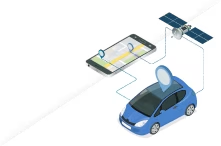


A Comprehensive Guide to GPS Tracking Costs for Car Dealers
For auto dealerships and finance companies, every vehicle in your portfolio represents a significant capital investment. Protecting that investment is paramount to long-term success. This is where dealership GPS tracking systems become an indispensable tool. Particularly for BHPH, subprime, and in-house financing operations, GPS technology provides a vital layer of security and a powerful mechanism for managing loan portfolios. However, the first question for many decision-makers revolves around cost. Understanding the pricing structures, what influences them, and the value they deliver is key to making an informed choice that benefits your bottom line.
The value proposition of dealer GPS tracking extends far beyond just knowing a vehicle's location. It's a comprehensive risk management solution. By having the ability to locate collateral in real-time, you dramatically increase the chances of successful recovery in the event of a default. This not only saves you from a total loss on the loan but also reduces the high costs associated with traditional repossession efforts. Features like payment reminders can proactively reduce delinquencies, while starter interrupt technology offers a powerful tool to compel communication from non-responsive customers. Evaluating the pricing of these systems means looking at the total cost of ownership versus the potential losses they help you avoid.
Deconstructing Dealer GPS Tracking Pricing Models
Pricing for professional vehicle tracking services is typically multifaceted. It's rarely a single, flat fee. Instead, you can expect a combination of costs that cover the hardware, the software platform, and the ongoing cellular data service required for the devices to communicate. Being familiar with these components will help you compare providers and find a solution that fits your budget and operational needs.
- Hardware Costs: This is the upfront, one-time cost to purchase the physical GPS tracking device. Prices can vary based on the device's features. A basic location-only tracker will cost less than a more advanced unit with features like a starter interrupt vehicle tracking system, backup battery, or tamper alerts. Volume discounts are often available for larger purchases, so it's important to discuss your dealership's scale with potential providers.
- Monthly Service Fees: This recurring cost covers access to the GPS tracking software platform, cellular data for the device, customer support, and platform maintenance. Fees are typically charged per device, per month. Some companies may offer tiered plans, where a higher monthly fee unlocks more advanced software features, more frequent location updates (pings), or more detailed reporting.
- Contract Length: Many GPS tracking for auto lenders providers offer services on a contract basis, such as one, two, or three-year terms. Opting for a longer contract term can often result in a lower monthly service fee or a discount on the initial hardware cost. Conversely, some providers may offer month-to-month plans for greater flexibility, though often at a higher per-month rate.
- Installation and Activation: Consider whether you will handle installation in-house or require professional installation. The devices themselves are designed for straightforward installation, but labor is still a cost factor. Additionally, some providers may charge a one-time activation fee per device to get it set up on their network and software platform. Always ask if these fees are included or are separate charges.
Key Features That Impact GPS System Pricing
Not all GPS solutions are created equal. The specific features you require will have a direct impact on the overall price. When evaluating BHPH GPS tracking companies, it is important to align the technology's capabilities with your dealership's specific challenges and goals.
For instance, a simple lot management solution to track inventory might not require the advanced features needed for a subprime lending portfolio. The most critical feature for lenders is often the starter interrupt or starter disable function. This technology allows a dealership or finance company to remotely prevent a vehicle from starting, which is an effective tool for encouraging payment on delinquent accounts. This added hardware complexity and software functionality typically place these devices in a higher price tier.
Other premium features that can influence cost include geofencing, which allows you to set virtual boundaries and receive alerts when a vehicle enters or exits a specified area, such as a state line or impound lot. Detailed reporting, driver behavior monitoring (for commercial applications), and integration with your existing Dealer Management System (DMS) are also considered value-add services that can affect the final price. Our Control-IT product offers a robust suite of these advanced features designed for maximum portfolio protection.
Maximizing ROI with the Right GPS Solution
Choosing the cheapest option is not always the most profitable strategy. The true value of a GPS for dealership risk management system lies in its ability to reduce losses and improve efficiency. A reliable system with a high-performance software platform and responsive customer support can save you tens of thousands of dollars in prevented charge-offs and reduced recovery costs. A low-cost, unreliable system that fails when you need it most is no bargain at all.
To calculate the potential return on investment, consider the average loss on a single vehicle repossession or write-off. If a GPS tracking system that costs a few hundred dollars over the life of a loan can prevent even one of these events, it has already paid for itself many times over. When you multiply that by the number of vehicles in your portfolio, the financial benefits become clear. Partnering with an experienced provider is crucial. To learn more about our company and our commitment to our clients, please visit our about us page.
Frequently Asked Questions About GPS Tracking Pricing
What is the typical monthly cost for a dealer GPS tracking service?
The monthly service fee for a single GPS device typically ranges from a few dollars to over twenty dollars. The exact price depends on several factors, including the contract length, the frequency of location updates (ping rate), and the level of software features included, such as starter interrupt capabilities, detailed reporting, and geofencing alerts.
Are there contracts required for GPS tracking services?
Many providers offer their best pricing with multi-year contracts, often for terms of two or three years. A longer contract term usually secures a lower monthly per-device rate. However, some companies do offer more flexible month-to-month plans, which may come with a slightly higher monthly fee or a greater upfront hardware cost.
How does a starter interrupt feature affect pricing?
GPS tracking devices equipped with starter interrupt or starter disable functionality are generally more expensive than basic location-only trackers. This is because they include additional hardware (a relay) and require a more complex installation. The software platform must also support this command, which contributes to a higher overall service cost, but the value it provides in collections and asset recovery is significant.
Can GPS tracking integrate with my current Dealer Management System (DMS)?
Yes, many leading GPS tracking platforms offer integration with popular Dealer Management Systems. This integration streamlines workflows by allowing you to manage your vehicle portfolio and access GPS data from within the DMS you already use every day. This is often a premium feature, so be sure to inquire about compatibility and any additional costs with potential providers.
What is the difference in cost between a hardwired and a battery-powered GPS tracker?
Hardwired GPS trackers, which are connected directly to the vehicle's power source, are the industry standard for dealership and auto finance applications. Battery-powered trackers are typically used for temporary tracking of assets that lack a constant power source. While their hardware costs might be similar, the ongoing management and need to recharge or replace batteries can make them less practical and cost-effective for long-term vehicle finance tracking.