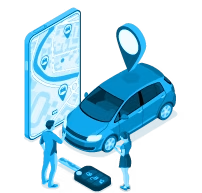
Understanding how your vehicles are being operated is fundamental to running a successful and profitable fleet. Driver behavior analytics provides the critical insights you need to move beyond simple location tracking and truly optimize your operations. By leveraging advanced telematics and GPS technology, you can collect and analyze data on everything from speed and acceleration to braking patterns and idling time. This information is invaluable for enhancing safety, reducing operational costs, and improving overall fleet efficiency. Transforming raw data into actionable intelligence allows you to identify risky driving habits, implement targeted coaching programs, and reward your safest operators. A proactive approach to monitoring driver behavior protects your employees, your assets, and your bottom line, creating a stronger, more resilient business foundation. Learn more about our advanced fleet telematics solutions and take control of your fleet's performance today.
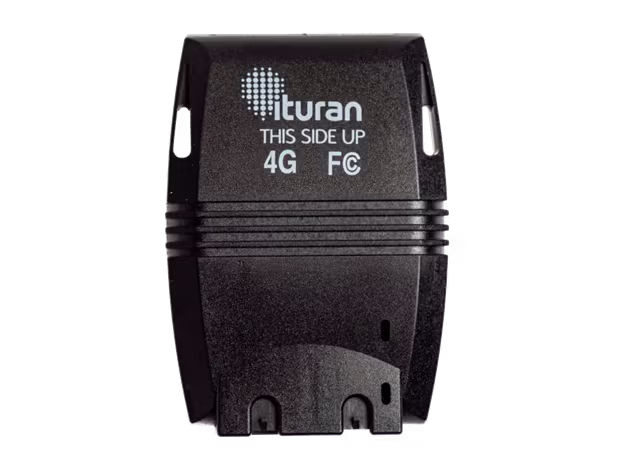
Payment Reminder (optional)
Parking Behavior Report
Accident Notification
Tow Alert
Impound Lots Monitor
Mileage Tracking
Special Relays for Faster Installation
Backup Battery
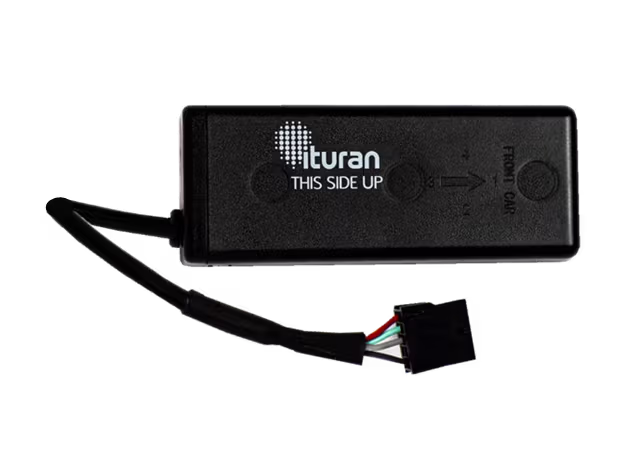
Accident Notification
Tow Alert
Impound Lots Monitor
Mileage Tracking
OBD Installation (optional)
Backup Battery
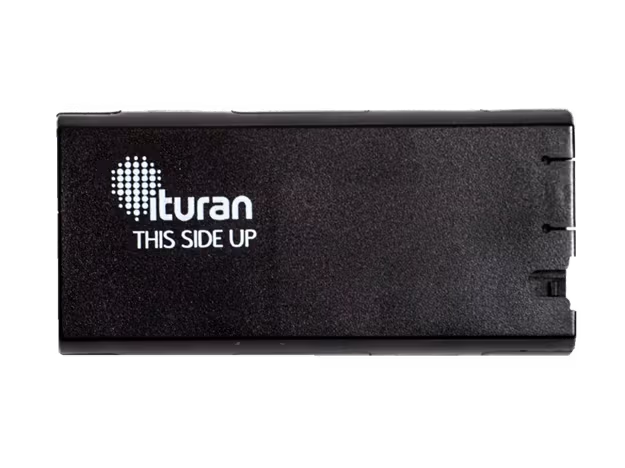
Cost Effective Device
Flexible Tracking Intervals
3 Year Battery Life
Implementing a driver behavior monitoring system is one of the most effective investments you can make in your fleet's future. The benefits extend far beyond the dashboard. By fostering a culture of safety and accountability, you can significantly lower accident rates and associated insurance premiums. Optimized driving habits lead directly to reduced fuel consumption and decreased wear and tear on your vehicles, extending their service life and lowering maintenance expenses. With detailed performance reports, you gain the visibility needed to make informed management decisions.




A Deeper Dive into Driver Behavior Analytics for Fleets
In the competitive world of fleet management, every mile and every minute matters. While knowing the location of your vehicles is important, understanding how they are being driven is a game-changer. This is the core purpose of driver behavior analytics: to capture, process, and interpret detailed data about driver actions behind the wheel. It is the process of turning telematics data into a clear picture of your fleet's on-road performance. By utilizing sophisticated tools like those found in modern automotive GPS tracking systems, fleet managers can pinpoint specific behaviors that impact safety, fuel efficiency, and vehicle health. This data-driven approach replaces guesswork with concrete evidence, enabling you to build a more effective, safer, and cost-efficient operation from the ground up.
Why Monitoring Driver Performance is Essential for Modern Fleets
Proactively monitoring driver behavior is a cornerstone of modern, effective fleet management. The insights gained from this practice have a direct and measurable impact on the most critical areas of your business, transforming potential liabilities into manageable and improvable metrics. It is about creating a safer environment for your drivers and the public, while simultaneously boosting your operational efficiency and financial health.
First and foremost is the profound impact on safety. The National Highway Traffic Safety Administration (NHTSA) consistently reports that human error is a factor in the vast majority of traffic accidents. Analytics systems identify risky patterns such as speeding, aggressive acceleration, and harsh braking. With this information, you can intervene with targeted coaching and training before a costly incident occurs. A robust driver safety monitoring system is not about surveillance; it is about prevention and protection. Reducing accidents means protecting your most valuable asset—your people—while also avoiding costly repairs, legal fees, and reputational damage.
Secondly, there are significant financial benefits. Aggressive driving habits are expensive. Speeding, rapid acceleration, and excessive idling burn fuel unnecessarily. According to the Department of Energy, these behaviors can lower gas mileage by 15% to 30% at highway speeds. Furthermore, harsh braking and sharp cornering accelerate wear and tear on tires, brakes, and suspension components, leading to more frequent and costly maintenance. By encouraging smoother, more efficient driving, you can generate substantial savings on fuel and repairs across your entire fleet. Many insurance providers also offer reduced premiums for fleets that can demonstrate a commitment to safety through a verifiable driver monitoring program.
Key Driver Behavior Metrics to Track
An effective driver analytics platform focuses on specific, measurable events that correlate directly with risk and operational costs. By monitoring these key metrics, you can create a comprehensive performance profile for each driver and your fleet as a whole. Our systems track a wide range of data points, including:
- Speeding Events: Alerts for exceeding posted speed limits or company-defined thresholds.
- Harsh Acceleration: Identifying "jackrabbit" starts that waste fuel and strain the drivetrain.
- Harsh Braking: Flagging sudden, aggressive stops that indicate tailgating or distracted driving.
- Aggressive Cornering: Monitoring for sharp, high-speed turns that increase rollover risk.
- Excessive Idling: Tracking engine run-time while the vehicle is stationary to cut fuel waste.
- Unauthorized Use: Using geofences and time-based rules to get alerts for after-hours or out-of-bounds vehicle activity.
- Seatbelt Usage: Promoting driver safety by monitoring and reporting on seatbelt use.
Implementing a Successful Driver Monitoring Program
The success of a driver analytics program hinges on more than just technology; it requires a thoughtful strategy and clear communication. The goal is to build a culture of safety and continuous improvement, not to create a sense of being constantly watched. Begin by being transparent with your team. Explain the purpose of the program, emphasizing that its primary goals are to enhance their safety, recognize good performance, and provide support where it is needed. Detail what data will be collected and how it will be used. You can find more information about data handling in our privacy policy.
Next, use the data constructively. Instead of focusing solely on negative events, use tools like fleet driver scorecards to highlight positive trends and reward top performers. This creates positive reinforcement and healthy competition. When addressing risky behaviors, approach it as a coaching opportunity. Sit down with drivers to review their reports, discuss specific incidents, and collaboratively develop strategies for improvement. The data provides objective starting points for conversations that might otherwise be difficult. Finally, set clear and achievable goals. Use the initial data to establish a baseline for your fleet's performance, and then set realistic targets for reducing incidents like speeding or harsh braking over time. Celebrating these milestones as a team reinforces the program's value and encourages long-term buy-in.
What is driver behavior analytics?
Driver behavior analytics is the process of using telematics and GPS technology to collect, measure, and analyze data about how drivers operate their vehicles. Key metrics often include speed, acceleration, braking, cornering, and idling time. The goal is to identify patterns, assess risks, and provide actionable insights to improve fleet safety, reduce costs, and increase efficiency.
How does monitoring driver behavior improve fleet safety?
Monitoring helps identify risky driving habits, such as frequent speeding or harsh braking, which are leading indicators of potential accidents. By identifying these behaviors, fleet managers can provide targeted coaching and training to individual drivers. This proactive approach helps correct unsafe practices before they lead to a collision, ultimately reducing accident rates and improving the safety of both the driver and the public.
Will my drivers feel like they are being spied on?
This is a common concern that can be addressed with transparency and communication. It is crucial to frame the program as a safety and coaching tool, not a disciplinary one. Explaining that the system is designed to protect them, recognize good driving, and reduce operational costs helps build trust. Emphasizing the benefits, like exoneration from false claims and opportunities for performance rewards, can also foster driver buy-in.
What are the main financial benefits of a driver monitoring system?
The primary financial benefits come from several areas. First, improved driving habits lead to significant fuel savings by reducing speeding and idling. Second, smoother driving decreases wear and tear on vehicle components like brakes and tires, lowering maintenance costs. Third, a proven reduction in accident rates can lead to lower insurance premiums. Finally, increased efficiency means more jobs can be completed, boosting overall revenue.
What kind of technology is used for driver behavior analytics?
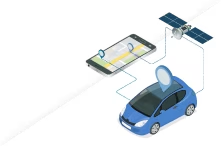
The technology is centered around a telematics device, often a small GPS tracker, installed in the vehicle. This device contains a GPS receiver to track location and speed, as well as an accelerometer to detect forces like acceleration, braking, and cornering. The data is transmitted wirelessly to a central software platform, where it is analyzed and presented to fleet managers through reports, alerts, and dashboards. Explore our our services to learn more about the specific solutions we offer.
Building a Lasting Culture of Safety and Efficiency
Ultimately, driver behavior analytics is more than a set of tools and reports; it is a catalyst for creating a deep-rooted culture of safety and accountability within your organization. The technology provides the objective data, but the true value is realized when that data is used to empower drivers, inform managers, and guide company policy. When safety becomes a shared responsibility, supported by transparent data and constructive feedback, it leads to higher driver morale, improved employee retention, and a stronger reputation in the community. By investing in a comprehensive fleet management GPS tracking solution that includes driver analytics, you are not just monitoring vehicles—you are investing in your people and the long-term success of your business. If you are ready to transform your fleet's performance, contact us to schedule a demonstration.