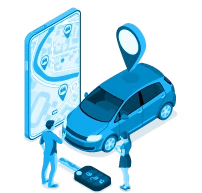
Understanding how your fleet operates on the road is critical to managing a safe, efficient, and profitable business. With advanced fleet driver behavior tracking, you gain unprecedented visibility into the daily activities of your mobile workforce. This technology moves beyond simple location tracking, offering detailed insights into driving habits like speeding, harsh braking, and rapid acceleration. By monitoring these key metrics, you can identify high-risk behaviors and implement targeted coaching to improve driver safety and reduce the likelihood of costly accidents. Proactively managing your team's performance on the road protects your drivers, your vehicles, and your bottom line. It transforms raw data into actionable intelligence, empowering you to cultivate a culture of safety and accountability across your entire fleet. Our comprehensive fleet GPS tracking solutions provide the tools you need to optimize performance and mitigate risk effectively.
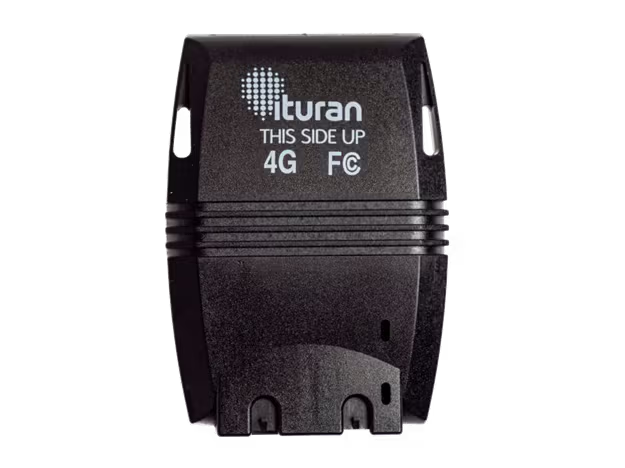
Payment Reminder (optional)
Parking Behavior Report
Accident Notification
Tow Alert
Impound Lots Monitor
Mileage Tracking
Special Relays for Faster Installation
Backup Battery
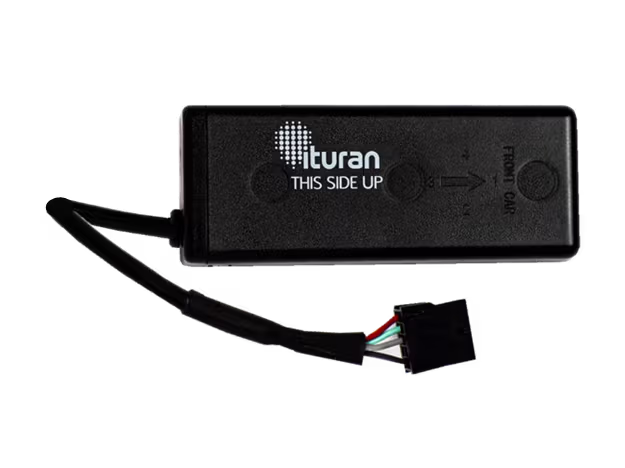
Accident Notification
Tow Alert
Impound Lots Monitor
Mileage Tracking
OBD Installation (optional)
Backup Battery
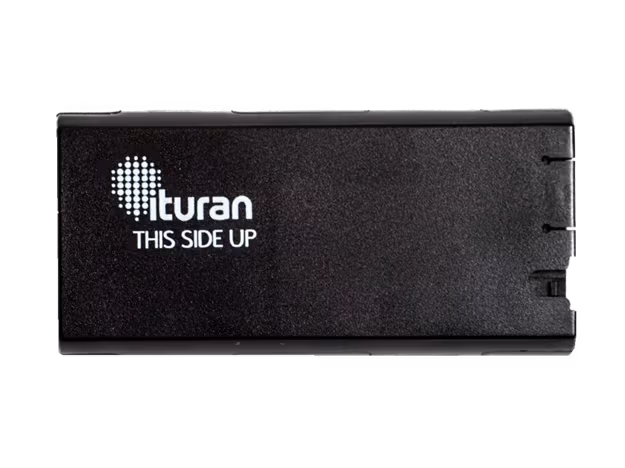
Cost Effective Device
Flexible Tracking Intervals
3 Year Battery Life
Implementing a robust driver behavior monitoring system is a strategic investment in your company's future. The benefits extend far beyond the dashboard, translating into tangible operational improvements. By reducing aggressive driving and unnecessary idling, you can significantly lower fuel consumption and cut down on vehicle wear and tear. This leads to fewer repairs and a longer lifespan for your valuable assets. Furthermore, detailed reporting and driver scorecards create a transparent framework for performance evaluation, encouraging healthy competition and rewarding your safest, most efficient drivers.




Unlock Operational Excellence with Driver Behavior Monitoring
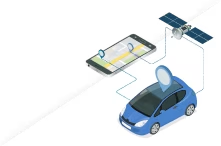
In today’s competitive business landscape, every advantage counts. For companies that rely on a fleet of vehicles, optimizing operations is not just a goal; it is a necessity. Fleet driver behavior tracking has emerged as a transformative technology, providing businesses with the tools to enhance safety, boost productivity, and control operational costs. This powerful system utilizes advanced telematics and GPS technology to capture critical data points directly from your vehicles. It is about more than just knowing where your vehicles are; it is about understanding how they are being driven. By analyzing patterns in speed, acceleration, braking, cornering, and idling, you can build a complete picture of your fleet's performance on the road.
This wealth of information allows managers to move from a reactive to a proactive management style. Instead of learning about an accident after it happens, you can identify and correct the risky behaviors that often lead to incidents. You can see which drivers consistently follow speed limits and which ones tend to drive aggressively. This insight is invaluable for creating targeted training programs, providing constructive feedback, and fostering a deep-rooted culture of safety within your organization. Learn more about our company's commitment to innovation by visiting our about us page.
The Core Benefits of Tracking Fleet Driver Behavior
Adopting a driver monitoring solution yields a multitude of benefits that positively impact nearly every facet of your fleet operations. These advantages create a ripple effect, improving safety, reducing expenses, and enhancing overall efficiency.
- Enhanced Road Safety: The primary benefit is a significant improvement in driver safety. By monitoring for unsafe actions like speeding, tailgating, and harsh braking, you can intervene with coaching and training before a serious incident occurs. Real-time alerts can notify managers of dangerous events as they happen, allowing for immediate action. This focus on safety helps protect your employees and the public while reducing accident-related costs and liability.
- Reduced Fuel Consumption: Aggressive driving habits, such as rapid acceleration and excessive speeding, burn through fuel at an alarming rate. Likewise, extended periods of idling waste fuel with no productive output. Our fleet fuel efficiency tracking systems identify these wasteful behaviors, allowing you to address them directly with drivers. Even small improvements in driving habits across an entire fleet can lead to substantial savings on fuel costs each year.
- Lower Maintenance and Repair Costs: The same aggressive driving that wastes fuel also puts unnecessary strain on your vehicles. Harsh braking wears down brake pads and rotors, hard acceleration stresses the engine and drivetrain, and sharp cornering wears out tires unevenly. By encouraging smoother, more defensive driving, you can extend the life of critical vehicle components, resulting in fewer breakdowns and lower lifetime maintenance expenses.
- Increased Productivity and Accountability: A driver behavior monitoring system provides a clear, objective record of each driver's daily activities. This data eliminates guesswork and creates a fair system of accountability. You can verify work hours, confirm that drivers are staying on designated routes, and ensure unauthorized vehicle use is eliminated. This transparency often leads to improved productivity as drivers become more mindful of their time and responsibilities.
- Potential for Lower Insurance Premiums: Many insurance providers recognize the risk-reducing benefits of telematics and driver monitoring systems. By demonstrating a commitment to safety and providing documented proof of improved driving habits across your fleet, you may be able to negotiate for lower insurance premiums. The data can prove that your fleet represents a lower risk than one without such monitoring in place.
Key Features of a Modern Driver Monitoring System
When exploring fleet telematics solutions, it is important to understand the key features that deliver the most value. A comprehensive system should offer a suite of tools that provide detailed, actionable insights.
Look for platforms that include driver scorecards, which rank drivers based on key safety and efficiency metrics. This gamification element can foster friendly competition and motivate self-improvement. Real-time alerts are also crucial; these notifications for events like speeding, geofence breaches, or harsh braking enable managers to address issues as they occur. Detailed trip history reports allow for route analysis and verification of service calls, while idling reports pinpoint sources of fuel waste. The ability to analyze this data through an intuitive dashboard is essential for turning raw information into a strategic operational plan. If you have questions about our products, do not hesitate to contact us for more details.
Frequently Asked Questions
What specific driver behaviors are typically monitored?
A comprehensive driver behavior monitoring system typically tracks a range of key performance indicators related to safety and efficiency. These include speeding events (compared to posted speed limits), instances of rapid acceleration, harsh braking, and aggressive cornering. Additionally, systems monitor engine idle time, seatbelt usage, and any unauthorized or after-hours vehicle use. This data provides a complete picture of how a vehicle is being operated.
How does monitoring driver behavior actually improve fleet safety?
Monitoring improves safety by creating awareness and accountability. When drivers know their performance is being measured, they are more likely to adhere to safety protocols and drive more cautiously. The data collected allows managers to identify high-risk drivers and provide targeted coaching or training to correct specific unsafe habits. Real-time alerts for dangerous events like excessive speeding can also allow for immediate intervention, preventing potential accidents before they happen.
Will my drivers feel like they are being spied on?
It is important to communicate the purpose of the system to your drivers transparently. Frame it as a tool for safety and fairness, not surveillance. Emphasize that the goal is to protect them, reduce accidents, and reward good performance. When drivers understand that the system is used to exonerate them in not-at-fault accidents and to create a safer work environment for everyone, acceptance is generally much higher. Focusing on coaching and incentives rather than punishment is key.
Can this technology help reduce our fleet's operational costs?
Absolutely. By curbing behaviors like speeding, aggressive acceleration, and excessive idling, you can see a significant reduction in fuel consumption. Promoting smoother driving habits also reduces wear and tear on brakes, tires, and engine components, leading to lower maintenance and repair costs over the long term. Furthermore, a reduction in accidents directly lowers costs related to repairs, downtime, and potential insurance premium increases.
What is a driver scorecard and how is it used?
A driver scorecard is a report that grades or ranks drivers based on their performance against predefined metrics like speeding, harsh braking, and fuel efficiency. It provides a simple, at-a-glance view of individual and team performance. Managers use scorecards to identify top performers for recognition and to pinpoint drivers who may need additional coaching. This objective data creates a fair and transparent system for evaluating performance and encouraging continuous improvement.