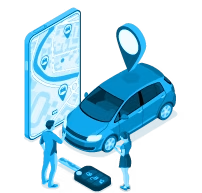
Protect Your Assets and Promote a Culture of Safety
Managing a fleet of vehicles, regardless of its size, involves significant responsibilities, with driver safety being paramount. Fleet driver safety software provides a powerful, data-driven solution to monitor and improve driving habits across your entire team. By leveraging advanced telematics and real-time analytics, these systems offer unparalleled insight into on-road performance. This technology helps identify risky behaviors such as speeding, harsh braking, and rapid acceleration before they lead to costly accidents or liabilities. Implementing a comprehensive driver safety program not only protects your valuable vehicle assets and employees but also helps lower insurance premiums, reduce fuel consumption, and enhance your company’s reputation. Investing in a robust safety platform is an investment in the long-term stability and efficiency of your operations. Learn more about our approach by visiting our about us page for additional information.
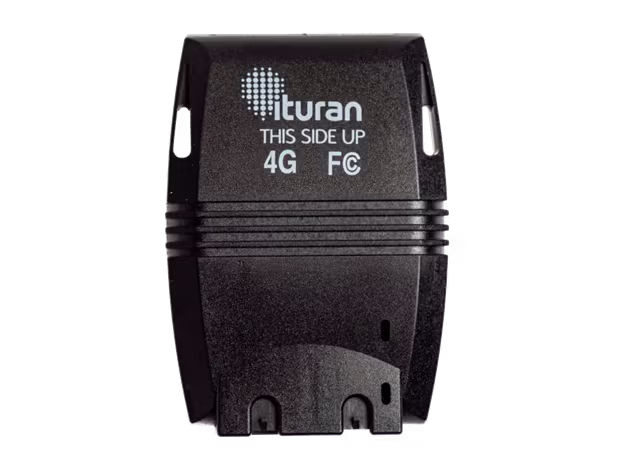
Payment Reminder (optional)
Parking Behavior Report
Accident Notification
Tow Alert
Impound Lots Monitor
Mileage Tracking
Special Relays for Faster Installation
Backup Battery
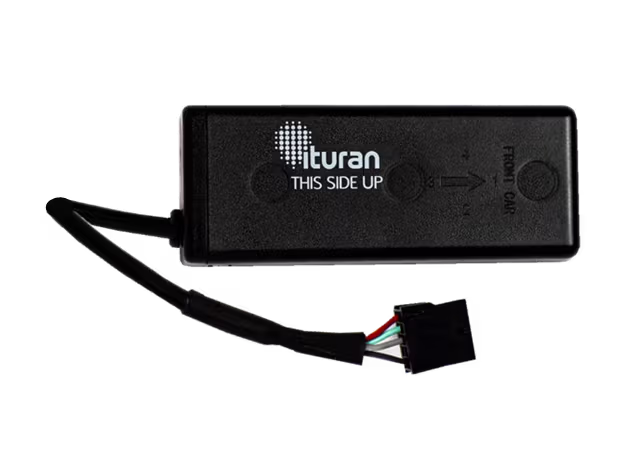
Accident Notification
Tow Alert
Impound Lots Monitor
Mileage Tracking
OBD Installation (optional)
Backup Battery
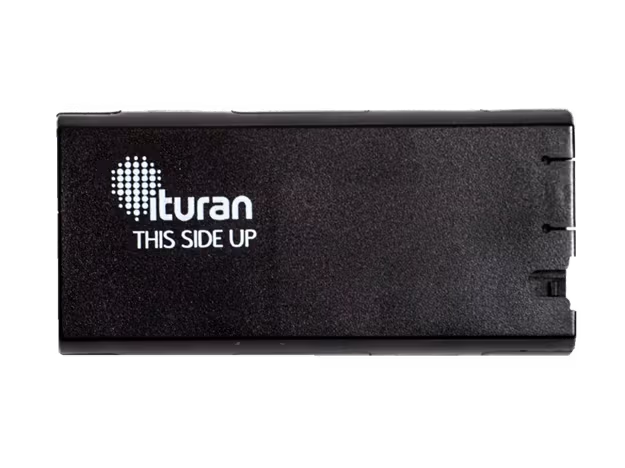
Cost Effective Device
Flexible Tracking Intervals
3 Year Battery Life
Our fleet driver safety solutions empower business owners and fleet managers with the tools needed to foster accountability and proactive risk management. The software provides detailed reports, driver scorecards, and customizable alerts that notify you of unsafe events as they happen. This allows for immediate intervention and targeted coaching, turning raw data into actionable safety improvements. From real-time location tracking to in-depth trip histories, you gain complete visibility over your fleet's daily activities, helping you optimize routes and improve overall operational productivity.



A Comprehensive Look at Driver Safety and Behavior Monitoring
In today's competitive business landscape, efficiency and safety are not just goals—they are necessities. Fleet driver safety software has emerged as a critical tool for companies that rely on vehicles to conduct their business. This technology goes far beyond simple automotive GPS tracking; it is a sophisticated system designed to analyze and influence the single most important factor in vehicle safety: driver behavior. By capturing and interpreting a wide range of telematics data, these platforms create a clear picture of how each vehicle is being operated. This allows managers to move from a reactive approach to accidents and incidents to a proactive strategy focused on prevention and continuous improvement.
The core of any effective driver safety system is its ability to monitor what happens behind the wheel. It uses a combination of GPS, accelerometers, and sometimes even in-cab cameras to record events that indicate risky driving. This data is then processed and presented in an easy-to-understand format, such as a dashboard or report. Managers can quickly see which drivers are consistently safe and which may need additional training or support. This focus on individual performance helps create a culture of personal responsibility and accountability, where safe driving is recognized and rewarded.
Key Features of a Modern Fleet Safety System
Modern fleet safety platforms are packed with features designed to provide a 360-degree view of your operations. While capabilities can vary between providers, most leading solutions offer a suite of powerful tools. Understanding these features can help you select a system that aligns with your company's specific safety goals. These services are a core part of the solutions we discuss in our services section.
- Driver Behavior Monitoring: This is the foundation of the software. It tracks metrics like speeding, harsh acceleration, hard braking, sharp cornering, and excessive idling. These events are logged and used to generate driver safety scores.
- Real-Time Alerts and Notifications: Set custom thresholds for unsafe driving behaviors. When a driver exceeds a speed limit or brakes too hard, an instant alert can be sent to the fleet manager via email or text message, allowing for timely intervention.
- Driver Scorecards and Performance Reports: The system compiles data into easy-to-read scorecards that rank drivers based on their safety performance. This gamification can encourage healthy competition and motivate drivers to improve their habits.
- In-Cab Feedback and Coaching: Some systems include in-vehicle devices that provide audible alerts to drivers in real-time when they perform a risky maneuver. This immediate feedback helps correct behavior on the spot, reinforcing safer habits.
- Trip History and Route Replay: Review detailed records of every trip, including the route taken, stops made, and any safety events that occurred along the way. This is invaluable for investigating incidents or customer complaints.
- Geofencing Technology: Create virtual boundaries around specific locations, such as job sites or restricted areas. The software can automatically alert you when a vehicle enters or exits a geofenced zone, enhancing security and operational control.
The Business Case: How Safety Software Delivers ROI
Implementing a driver safety program is not just an expense; it is a strategic investment that can yield significant returns. The benefits extend across multiple areas of your business, from financial savings to improved employee morale. By reducing risk, you are actively protecting your bottom line.
First and foremost is the reduction in accident-related costs. Fewer accidents mean lower repair bills, less vehicle downtime, and a potential decrease in insurance premiums. Many insurance carriers offer discounts for fleets that use telematics and driver monitoring systems. Beyond accidents, promoting safer driving habits—such as smoother acceleration and reduced speeding—directly translates to better fuel economy. Aggressive driving can increase fuel consumption by a significant margin, and curbing this behavior results in immediate savings at the pump. Furthermore, a detailed maintenance module can track vehicle health and send alerts for scheduled service, preventing costly breakdowns and extending the life of your vehicles.
The data collected also helps streamline operations. By analyzing trip histories and driver activities, you can identify inefficiencies in your routing and dispatching processes. This can lead to completing more jobs per day with the same number of vehicles, boosting productivity and revenue. Finally, demonstrating a commitment to safety can improve your company's public image and help you attract and retain top driving talent. For more insights and articles, check out our blog.
Frequently Asked Questions
How does fleet driver safety software actually work?
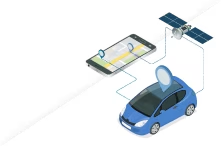
The software works by using a small telematics device, typically installed in the vehicle's OBD-II port or hardwired. This device contains a GPS receiver and accelerometers that collect data on the vehicle's location, speed, acceleration, and braking. This data is transmitted to a cloud-based platform where it is analyzed and presented to fleet managers through a web dashboard or mobile app.
Can this type of software really help reduce fleet accidents?
Yes, numerous studies and case histories have shown that implementing driver safety software can significantly reduce accident rates. By monitoring risky behaviors and providing drivers with feedback and coaching, companies can correct unsafe habits before they lead to an incident. The increased accountability alone often encourages drivers to be more cautious and attentive on the road.
Is the data collected by the software kept private and secure?
Reputable providers of fleet telematics solutions prioritize data security. All information transmitted from the vehicle to the server is typically encrypted. Access to the data is password-protected and restricted to authorized personnel within your organization, such as fleet managers and administrators. We encourage you to review our own privacy policy for more information on data handling.
What specific types of driver behaviors does the software monitor?
The software primarily monitors behaviors that are strong indicators of accident risk. This includes speeding relative to the posted limit, harsh or sudden braking, rapid acceleration, aggressive cornering, and unauthorized vehicle use outside of work hours. Some advanced systems can also detect seatbelt usage and distracted driving if equipped with appropriate sensors or cameras.
How difficult is it to install and implement a fleet driver safety system?
Implementation is typically straightforward. Many devices are "plug-and-play," simply plugging into the vehicle's OBD-II port, which takes only a minute. Hardwired devices may require professional installation for a more secure and discreet setup. Once the hardware is installed, the software provider assists with setting up the online account, configuring alerts, and training your team on how to use the platform. If you have any questions, do not hesitate to contact us.