In today's competitive business landscape, optimizing every aspect of your operations is crucial for success. For companies that rely on a fleet of vehicles, managing driver performance, route efficiency, and vehicle health is paramount. Fleet driver trip monitoring provides the critical data and insights needed to transform your fleet from a significant expense into a streamlined, productive, and safe asset. By leveraging advanced automotive GPS tracking systems, you gain unparalleled visibility into your daily operations. This technology goes far beyond simple location tracking, offering detailed reports on trip history, driver behavior, and vehicle utilization. Understanding these metrics allows you to identify areas for improvement, reduce operational costs, and enhance overall accountability across your entire team. Embracing this technology is a strategic move toward a more efficient and profitable future for your business, providing you with the tools to manage your mobile workforce with confidence and precision.
Payment Reminder (optional)
Parking Behavior Report
Accident Notification
Tow Alert
Impound Lots Monitor
Mileage Tracking
Special Relays for Faster Installation
Backup Battery
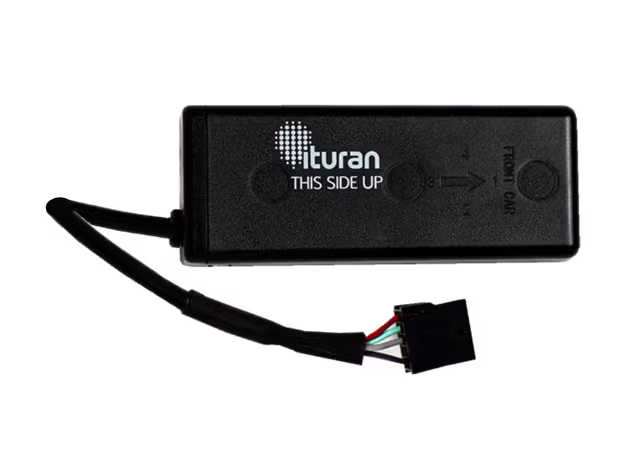
Accident Notification
Tow Alert
Impound Lots Monitor
Mileage Tracking
OBD Installation (optional)
Backup Battery
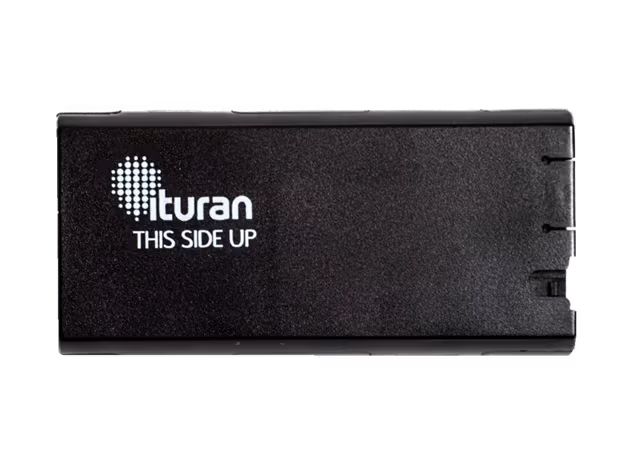
Cost Effective Device
Flexible Tracking Intervals
3 Year Battery Life
Implementing a robust trip monitoring solution is one of the most effective ways to boost your fleet's productivity and safety. With access to real-time data and comprehensive historical reports, you can make informed decisions that positively impact your bottom line. From optimizing delivery routes to promoting safer driving habits through driver behavior monitoring, the benefits are tangible and immediate. Our solutions are designed to be scalable and user-friendly, catering to businesses of all sizes, from small local service companies to large-scale national enterprises.
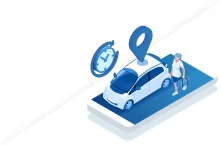
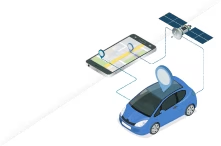


Unlocking Peak Performance with Comprehensive Trip Monitoring
Effective fleet management hinges on having access to accurate, timely, and actionable information. Fleet driver trip monitoring is the technology that delivers this information directly to you. It is a comprehensive approach that utilizes GPS and telematics devices to capture a wide array of data points related to every journey a vehicle takes. This isn't merely about knowing where your vehicles are; it's about understanding the complete story of each trip. This includes the exact route taken, the time of departure and arrival, the duration of stops, periods of idling, and critical driver performance metrics. By analyzing this wealth of data through a sophisticated fleet tracking platform, managers can gain deep insights into the efficiency, safety, and productivity of their entire fleet operations.
This detailed visibility empowers businesses to move from a reactive management style to a proactive one. Instead of dealing with problems after they occur, you can identify trends and address potential issues before they escalate. For instance, analyzing trip histories might reveal that a particular driver consistently takes inefficient routes or spends an excessive amount of time idling, both of which contribute to unnecessary fuel consumption. With this knowledge, you can provide targeted coaching and training to correct these behaviors, leading to direct cost savings.
The Core Benefits of Monitoring Your Fleet's Journeys
Integrating a driver trip monitoring system yields a multitude of advantages that can significantly enhance your business. These benefits span across cost reduction, safety improvements, and operational efficiency, creating a powerful return on investment.
- Enhanced Operational Efficiency: By tracking every trip, you can ensure drivers are adhering to the most efficient routes. Real-time tracking allows for smarter dispatching, enabling you to send the closest vehicle to a new job, reducing travel time and improving customer response. Detailed fleet management trip reports also provide irrefutable proof of service, helping to resolve any customer disputes regarding arrival times or duration of a visit.
- Significant Cost Reduction: Fuel is one of the largest expenses for any fleet. Trip monitoring helps slash these costs by reducing unauthorized vehicle use, optimizing routes for less mileage, and monitoring and reducing excessive idle times. Furthermore, promoting safer driving by monitoring for speeding, harsh braking, and rapid acceleration leads to less wear and tear on vehicles, lowering maintenance and repair costs over time.
- Improved Driver Safety and Accountability: The safety of your drivers and the public is a top priority. A driver safety monitoring system provides objective data on driving habits. This allows you to create safety programs, reward safe drivers, and provide coaching to those who exhibit risky behaviors. The very presence of a monitoring system often encourages drivers to be more mindful and responsible behind the wheel, fostering a culture of safety and accountability throughout your organization.
- Streamlined Vehicle Maintenance: Modern telematics systems do more than just track location; they can monitor engine diagnostics, mileage, and operating hours. This enables you to set up automated alerts for scheduled preventive maintenance. Proactive maintenance helps prevent costly breakdowns, extends the lifespan of your vehicles, and keeps your fleet on the road where it belongs.
- Superior Asset Protection: Your vehicles are valuable assets. Real-time vehicle GPS tracking is a powerful tool for theft prevention and recovery. In the unfortunate event a vehicle is stolen, you can provide law enforcement with its exact location, dramatically increasing the chances of a swift recovery. Geofence alerts can also notify you immediately if a vehicle leaves a designated area or is used outside of business hours.
Essential Features of a Modern Trip Monitoring Solution
When evaluating fleet GPS tracking solutions, it is important to look for a comprehensive suite of features that provide maximum value. A powerful system should offer more than just basic dots on a map. Look for a platform that includes robust reporting, real-time alerts, and an intuitive user interface.
At the heart of the system is the ability to generate detailed trip history reports. This feature, often found in fleet trip history software, should allow you to view starts, stops, mileage, and routes for any vehicle over any date range. This historical data is invaluable for verifying work, auditing payroll hours, and analyzing long-term performance trends. Another critical component is driver behavior analytics. The system should automatically flag and report on unsafe driving events like speeding, harsh acceleration, and hard braking. Many platforms compile this data into driver scorecards, making it easy to identify your safest drivers and those who may need additional training.
Geofencing is another indispensable tool. It allows you to create virtual boundaries around specific locations, such as your office, job sites, or restricted areas. The system can then send you automatic alerts via text or email whenever a vehicle enters or exits one of these zones. This is useful for confirming arrivals at customer locations, preventing unauthorized use, and improving time management. All these features should be accessible through a clean, web-based dashboard and a fully-functional mobile app, giving you the flexibility to manage your fleet from anywhere, at any time. For more information on our specific offerings, please review our services page or contact us directly.
What kind of data does a fleet driver trip monitoring system collect?
A comprehensive system collects a wide range of data for each trip, including the vehicle's real-time location, speed, direction of travel, and ignition status. It also records historical data such as the route taken, start and end times, mileage driven, stop locations and durations, and idling time. Advanced systems also capture driver behavior events like harsh braking, rapid acceleration, and speeding incidents.
How can trip monitoring improve driver safety?
Trip monitoring improves safety by providing objective data on driving habits. By tracking metrics like speeding, hard cornering, and harsh braking, managers can identify at-risk drivers and provide targeted coaching. The use of driver scorecards can also create a friendly competition to be the safest driver. The knowledge that their driving is being monitored often encourages employees to operate their vehicles more cautiously, reducing the risk of accidents.
Is it difficult to install and use a vehicle tracking system?
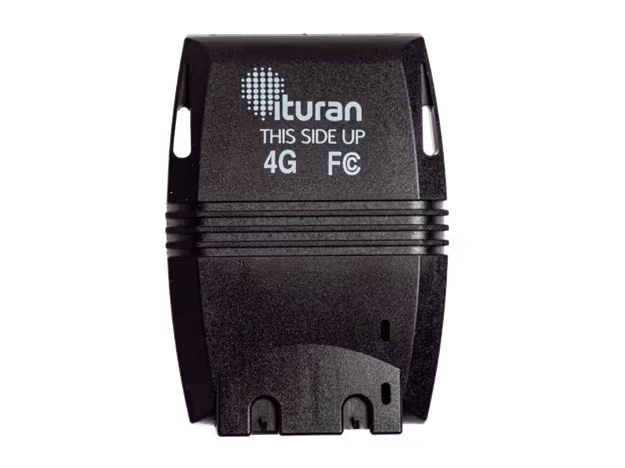
No, modern systems are designed for ease of use. The hardware, or GPS device, typically involves a straightforward installation process that can be completed quickly. Some devices are even simple plug-and-play units. The software platform is usually web-based and accessible from any computer or smartphone, featuring an intuitive dashboard, easy-to-read maps, and customizable reports that make managing your fleet simple and efficient.
Can this technology help reduce our company's fuel costs?
Absolutely. Trip monitoring is a powerful tool for reducing fuel consumption. It helps by allowing you to optimize routes to cut down on unnecessary miles, monitoring and reducing excessive engine idling which wastes fuel, and eliminating unauthorized or after-hours vehicle use. Additionally, by monitoring for aggressive driving behaviors like speeding and rapid acceleration, which are highly inefficient, you can coach drivers to adopt a smoother, more fuel-efficient driving style.
How does trip monitoring help with customer service?
Trip monitoring enhances customer service in several ways. Real-time tracking allows you to provide customers with accurate ETAs for service calls or deliveries. If a customer disputes a service visit, you can provide a detailed report showing the exact time your vehicle arrived and how long it was on-site. It also enables better dispatching, as you can send the nearest available vehicle to an urgent service request, resulting in faster response times and higher customer satisfaction.