Understanding how your fleet vehicles are being operated is fundamental to ensuring safety, controlling costs, and boosting overall efficiency. Fleet driving behavior reports provide the critical insights you need to manage your mobile assets and personnel effectively. By leveraging advanced telematics and GPS data, these detailed reports transform raw information into actionable intelligence. You can identify patterns of aggressive driving, excessive speeding, or wasteful idling across your entire fleet or on a per-driver basis. This data-driven approach moves beyond guesswork, allowing you to establish clear performance benchmarks and implement targeted coaching. By monitoring key metrics like harsh braking, rapid acceleration, and adherence to posted speed limits, you can cultivate a culture of safety and accountability. These reports are not just about tracking vehicles; they are about protecting your drivers, your assets, and your bottom line, leading to a more secure and profitable operation.
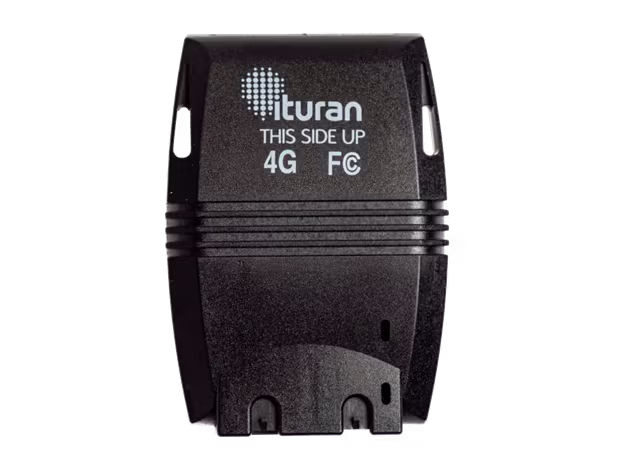
Payment Reminder (optional)
Parking Behavior Report
Accident Notification
Tow Alert
Impound Lots Monitor
Mileage Tracking
Special Relays for Faster Installation
Backup Battery
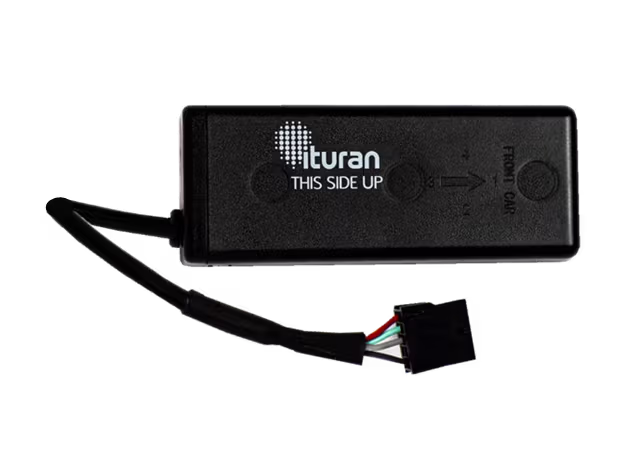
Accident Notification
Tow Alert
Impound Lots Monitor
Mileage Tracking
OBD Installation (optional)
Backup Battery
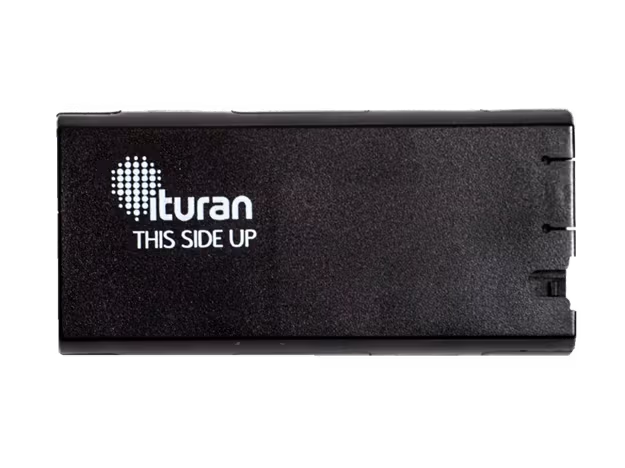
Cost Effective Device
Flexible Tracking Intervals
3 Year Battery Life
Implementing a robust driver behavior monitoring system empowers your business to proactively address risks before they become costly problems. The detailed analytics found in driving behavior reports can directly correlate to reduced fuel consumption, lower vehicle maintenance expenses, and fewer accidents. By creating driver scorecards and identifying top performers, you can build incentive programs that reward safe and efficient habits. This positive reinforcement, combined with targeted training for drivers who need improvement, fosters a responsible and professional team.




Gaining Deeper Insights with Driver Behavior Analytics
In today's competitive business landscape, every advantage counts. For companies that rely on a fleet of vehicles, one of the most significant opportunities for improvement lies in understanding and optimizing driver behavior. Fleet driving behavior reports are powerful tools that provide a clear, objective window into how your company vehicles are used daily. Generated from sophisticated fleet telematics solutions, these reports compile data from GPS units and onboard sensors to analyze a wide range of actions. This information is crucial for any fleet manager looking to enhance safety protocols, decrease operational expenditures, and improve the overall productivity of their mobile workforce.
The technology goes beyond simple location tracking. It captures the nuances of every trip, including speed, acceleration force, braking patterns, and cornering severity. This granular level of detail allows managers to move from reactive problem-solving to proactive risk management. Instead of only learning about an accident after it has happened, you can identify the risky behaviors that often precede such incidents and intervene with corrective training. This shift is transformative for building a sustainable safety culture within your organization.
Key Metrics Tracked in Driving Behavior Reports
Effective management starts with accurate measurement. Driving behavior reports focus on specific, quantifiable events that have a direct impact on safety, fuel economy, and vehicle wear and tear. By monitoring these key performance indicators (KPIs), you can create a comprehensive picture of your fleet's performance. Here are some of the most critical metrics to track:
- Speeding Events: The system flags any instance where a driver exceeds a predefined speed limit, whether it is the posted road limit or a company-set maximum. This is a leading indicator of accident risk.
- Harsh Braking: A sudden, forceful application of the brakes often indicates tailgating, distracted driving, or a near-miss. Tracking these events helps identify drivers who may need coaching on maintaining a safe following distance.
- Rapid Acceleration: Jackrabbit starts are a major source of fuel waste and place unnecessary strain on the engine and drivetrain. Monitoring this behavior is key to promoting smoother, more economical driving habits.
- Aggressive Cornering: Taking turns too quickly can increase the risk of rollovers, especially in larger vehicles, and causes excessive tire wear. This metric helps pinpoint drivers who may be operating their vehicles unsafely.
- Excessive Idling: A vehicle that is running while stationary wastes a significant amount of fuel and produces unnecessary emissions. Fleet idling-monitoring reports can identify where and when this occurs, leading to substantial fuel savings.
- Unauthorized Use: Geofencing capabilities allow you to set virtual boundaries. You can receive alerts if a vehicle is used outside of designated work hours or geographical areas, preventing misuse of company assets.
The Business Case: Benefits of Monitoring Your Fleet
Adopting a program for driver monitoring for fleets yields a powerful return on investment that extends across your entire operation. The benefits are tangible and can be measured in terms of both financial savings and improved operational integrity.
First and foremost is the enhancement of driver safety. By reducing risky behaviors like speeding and aggressive driving, you lower the frequency and severity of accidents. This not only protects your most valuable assets—your employees—but also shields your business from costly liability claims, vehicle repairs, and reputational damage. Many insurance providers recognize the risk-mitigating effects of these systems and may offer premium discounts to fleets that use them.
Significant cost reduction is another primary benefit. Fuel is one of the largest expenses for any fleet. By curbing speeding, rapid acceleration, and idling, you can improve fuel efficiency by as much as 15-20%. Furthermore, smoother driving habits lead to less wear and tear on brakes, tires, and suspension components, which translates into lower maintenance costs and a longer operational lifespan for your vehicles. The comprehensive data provided by a gps fleet management software platform allows you to schedule preventative maintenance more effectively, preventing costly breakdowns.
Finally, these reports drive major gains in productivity and customer service. Real-time tracking and trip history reports allow for more efficient dispatching and routing. You can verify that drivers are adhering to their schedules, provide customers with more accurate ETAs, and validate service calls or deliveries with location and time-stamped data. This increased accountability and operational visibility strengthens client trust and improves your overall service quality.
Putting Data into Practice: Building a Better Fleet Culture
Collecting data is only the first step; the real value comes from using it to foster positive change. A successful driver behavior program is built on transparency, consistency, and a focus on improvement rather than punishment.
Start by communicating the goals of the program to your drivers. Emphasize that the primary objective is to enhance their safety and recognize their professionalism. Introduce a fleet driver scorecards system that provides a clear, fair, and objective measure of performance based on the key metrics. This can create a sense of friendly competition and motivate individuals to improve.
Use the data from the reports to guide coaching sessions. When you meet with a driver, you can show them specific instances of risky behavior, such as a pattern of harsh braking on a particular route. This objective data facilitates a more productive conversation focused on specific, actionable improvements. Instead of making general criticisms, you can offer targeted advice, such as suggesting a different route or reminding them about defensive driving techniques. Celebrate successes and reward drivers who consistently demonstrate safe and efficient habits. This positive reinforcement is a powerful tool for building morale and solidifying a culture that prioritizes safety and excellence.
How does driver behavior monitoring work?
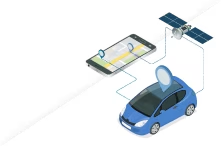
Driver behavior monitoring works by using a GPS tracking device installed in the vehicle. This device contains sensors like an accelerometer and a gyroscope that detect movements such as speed, rapid acceleration, harsh braking, and sharp cornering. The data is transmitted in real-time to a central software platform, which analyzes it and compiles it into comprehensive reports and alerts for fleet managers.
Will my drivers feel like they are being spied on?
This is a common concern. The key to successful implementation is transparent communication. It is important to frame the program as a tool for safety, recognition, and efficiency, not surveillance. Emphasize that the goal is to protect them, reward good performance, and reduce operational costs. When drivers understand the benefits, such as exoneration from false claims and improved safety, they are often more receptive.
What are the most important metrics to track for driver behavior?
While this can vary by fleet type, the most universally critical metrics are speeding, harsh braking, and rapid acceleration. These three behaviors are strongly correlated with accident risk and fuel waste. Tracking excessive idling is also crucial for controlling fuel costs. For fleets operating in urban areas, monitoring aggressive cornering can also be a key indicator of risk.
Can these reports help lower my fleet's insurance costs?
Many insurance companies offer discounts for fleets that utilize GPS tracking and driver behavior monitoring systems. By demonstrating a proactive approach to risk management and providing data that shows a reduction in risky driving events, you may be able to negotiate lower insurance premiums. The data can also be invaluable in disproving fault in the event of an accident, further reducing claim costs.
How are driver behavior reports generated?
Reports are automatically generated by the fleet tracking software platform. Managers can typically log into a web-based dashboard or mobile app to view them. Most systems allow for customization, so you can schedule reports to be emailed daily, weekly, or monthly. You can also generate reports on-demand for specific vehicles, drivers, or date ranges to investigate a particular incident or analyze trends over time.