A Detailed Breakdown of Fleet GPS Tracking Costs
When evaluating fleet management technology, the primary question for most business owners revolves around cost. It is important to view GPS tracking not as a simple expense, but as a strategic investment. The price of a system is influenced by a variety of factors, and understanding them is key to choosing a provider that fits your budget and operational requirements. The cost structure can generally be divided into three main categories: hardware, monthly software/service fees, and installation.
Core Cost Component 1: Hardware
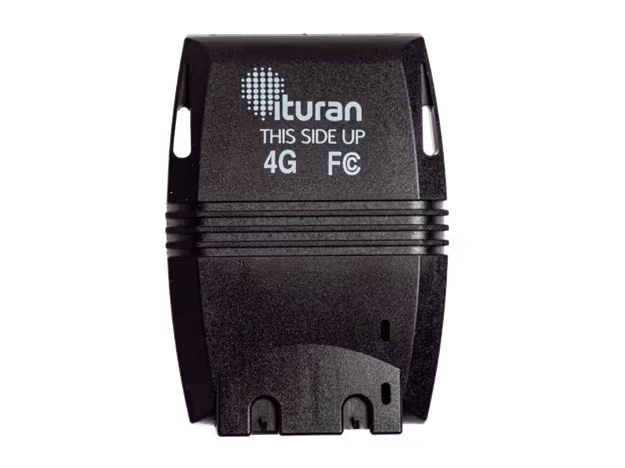
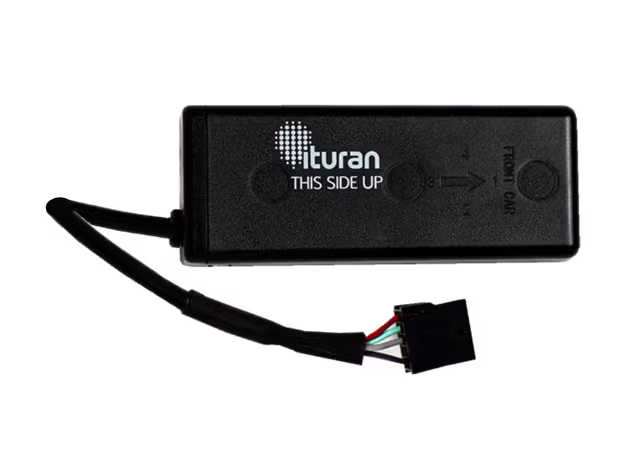
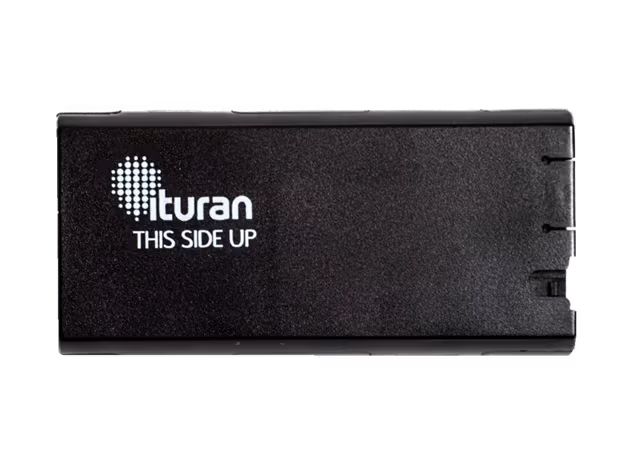
The physical GPS tracking device installed in each vehicle represents the initial hardware cost. This is often a one-time expense per unit, though some providers may lease the hardware or bundle it into the monthly fee. The price of the device itself can vary significantly based on its capabilities.
- Plug-and-Play Devices: These are the most basic and affordable options. They plug directly into a vehicle's OBD-II port, making installation simple and fast. They are ideal for businesses that need fundamental tracking without complex features.
- Hardwired Devices: These units are connected directly to the vehicle's power source, making them more discreet and tamper-resistant. They can support more advanced features, such as starter disable functionality, and are a popular choice for dealership GPS tracking systems.
- Battery-Powered Trackers: For assets without a constant power source, such as trailers or heavy equipment, battery-powered devices offer flexibility. Their cost depends on battery life and reporting frequency.
- Advanced Telematics Hardware: Devices that include features like video cameras (dashcams), ELD compliance hardware, or sensor integrations will naturally come at a higher price point.
Core Cost Component 2: Monthly Service Subscription
The recurring monthly fee is the most significant part of the long-term cost. This subscription grants you access to the GPS tracking software platform and covers the cellular data plan the device uses to transmit information. This fee is typically charged on a per-vehicle, per-month basis. The rate is heavily influenced by the software features you require. A basic plan might only include location updates, while a premium plan could offer a full suite of fleet telematics solutions, including driver behavior monitoring, detailed reporting, and integration capabilities.
Core Cost Component 3: Installation Fees
Installation cost is another variable. Plug-and-play OBD-II devices require no professional installation, eliminating this expense entirely. However, for hardwired devices, professional installation is often recommended to avoid any potential issues with the vehicle's electrical system. Some fleet GPS tracking providers may include the cost of installation in their package, while others will charge a separate fee per vehicle. The complexity of the installation—for example, wiring a starter-interrupt feature—can also affect the final price.
Factors That Directly Influence Your Final Price
Beyond the three core components, several specific factors will determine the quote you receive from a provider. It is crucial to have a clear understanding of your business needs before you start comparing options.
- Fleet Size: The total number of vehicles you need to track is the biggest multiplier. However, most companies offer volume discounts, so the per-vehicle cost often decreases as the size of your fleet increases.
- Feature Set: The specific functionalities you need will have a major impact on the monthly fee. Features like driver behavior monitoring (tracking speeding, harsh braking), geofencing alerts, fuel efficiency tracking, and maintenance reminders add immense value but also contribute to the cost.
- Data Update Frequency: The rate at which the GPS device reports its location (e.g., every 10 seconds versus every 5 minutes) affects data consumption and, consequently, the price. Real-time tracking with rapid updates typically costs more than basic "breadcrumb trail" tracking.
- Contract Length: Providers often offer better pricing for customers willing to sign a longer-term contract (e.g., two or three years) compared to a month-to-month or one-year agreement. This can be a way to lower your monthly operational expense if you are confident in the solution.
- Hardware and Software Integration: If you need your GPS tracking platform to integrate with other business systems, such as accounting software, a Dealer Management System (DMS), or routing applications, there may be additional development or subscription costs involved.
Calculating the Return on Investment (ROI)
While it is easy to focus on the upfront and monthly costs, the true measure of a fleet tracking system's worth is its ROI. By leveraging the data provided, businesses can achieve significant savings that often exceed the system's cost. Consider the potential savings in fuel from optimized routes and reduced idling, the lower maintenance bills from proactive service alerts, and the potential for lower insurance premiums due to improved driver safety. Furthermore, increased productivity, better customer service through accurate ETAs, and enhanced security for your valuable vehicle assets all contribute to a healthier bottom line. When you evaluate the cost, be sure to weigh it against these powerful financial and operational benefits.
Frequently Asked Questions About Fleet GPS Tracking Costs
What is the average monthly cost for fleet GPS tracking?
The average monthly cost for fleet GPS tracking can range widely, typically from around $15 to $45 per vehicle. The final price depends heavily on the features included, the frequency of location updates, and the size of your fleet. Basic plans with standard location tracking are at the lower end, while premium plans with features like driver behavior monitoring, ELD compliance, and video telematics are at the higher end.
Are there one-time costs involved in setting up a fleet tracking system?
Yes, there are often one-time costs. These primarily include the purchase price of the hardware (the GPS device itself) for each vehicle. Additionally, some providers may charge activation fees to set up your account on their platform. If you choose hardwired devices, you should also budget for professional installation costs, which can vary depending on the vehicle and installer.
Can I get a discount for tracking a larger fleet of vehicles?
Absolutely. Most GPS tracking companies offer volume-based pricing. The larger your fleet, the lower the per-vehicle monthly subscription fee is likely to be. When requesting a quote, always make sure to specify the total number of vehicles you plan to track to receive the most accurate and competitive pricing available for your business.
Do I have to sign a long-term contract?
While many providers encourage multi-year contracts (typically 1 to 3 years) in exchange for lower monthly rates or discounted hardware, it is not always a requirement. Some companies offer month-to-month or annual plans, providing more flexibility. However, these flexible plans usually come with a higher per-vehicle cost, so it is important to weigh the benefits of a shorter term against the potential for long-term savings.
What features have the biggest impact on the overall price?
Features that require more complex hardware or process larger amounts of data tend to increase the price the most. These include real-time video streaming from dashcams, Electronic Logging Device (ELD) compliance for federal regulations, advanced driver behavior analytics, engine diagnostics, and remote functions like starter-interrupt or door unlocking. Basic location tracking is the most affordable feature set.
Helpful Links