
Unlock Seamless Fleet Management with GPS Tracking Integrations
In today's fast-paced business environment, managing a fleet of vehicles requires more than just knowing their location. It demands a connected, data-driven approach. Fleet GPS tracking integrations are the key to unlocking this next level of efficiency. By connecting your automotive GPS tracking systems with your existing business software, such as your Dealer Management System (DMS), CRM, or accounting platform, you create a powerful, unified ecosystem. This synergy eliminates manual data entry, reduces administrative overhead, and provides a holistic view of your entire operation. Instead of juggling multiple applications, your team can access real-time vehicle data, driver performance metrics, and maintenance alerts directly within the tools they use every day. This streamlined workflow empowers you to make smarter, faster decisions that can drive down costs and boost productivity across your organization, from dispatch to billing.
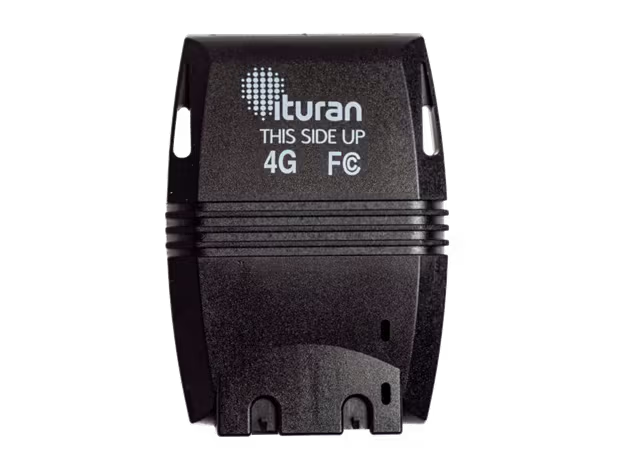
Payment Reminder (optional)
Parking Behavior Report
Accident Notification
Tow Alert
Impound Lots Monitor
Mileage Tracking
Special Relays for Faster Installation
Backup Battery
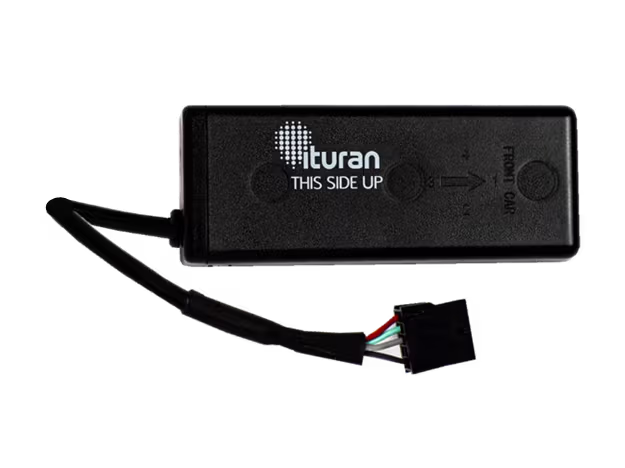
Accident Notification
Tow Alert
Impound Lots Monitor
Mileage Tracking
OBD Installation (optional)
Backup Battery
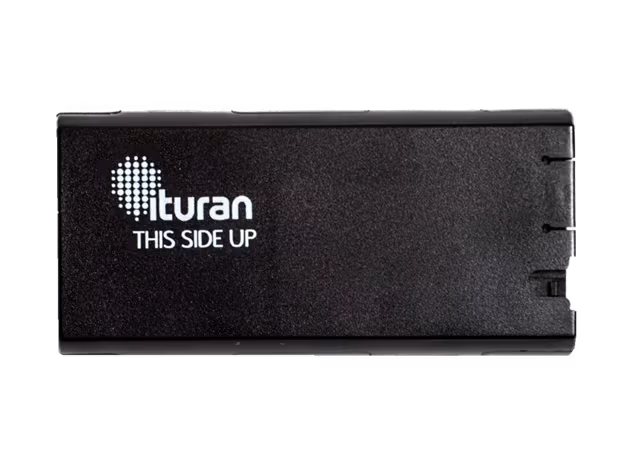
Cost Effective Device
Flexible Tracking Intervals
3 Year Battery Life
The true power of an integrated system lies in its ability to automate processes and provide actionable insights. A robust vehicle tracking API allows for custom connections, enabling your GPS data to flow seamlessly into proprietary software or third-party applications. Imagine automatically generating fuel expense reports, triggering maintenance work orders based on actual mileage, or syncing driver hours with your payroll system. These integrations transform raw location data into valuable business intelligence, helping you optimize routes, improve driver safety, and maximize asset utilization effortlessly.


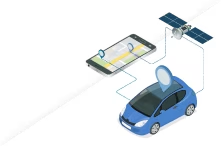


A Deeper Dive into GPS Integration and API Capabilities
While standalone fleet GPS tracking solutions provide essential location data, their value multiplies exponentially when integrated into the core of your business operations. An integration is a digital bridge that allows your GPS platform to communicate and share data with other software systems. This eliminates information silos and creates a single source of truth for all vehicle-related activities. For businesses, especially used car dealerships and companies with service fleets, this means transforming a simple tracking tool into a comprehensive management powerhouse.
The most common and impactful integration for auto dealers is with a Dealer Management System (DMS). A DMS integrated GPS tracking system can automate crucial workflows related to inventory management, financing, and asset protection. For instance, when a vehicle is sold, its status can be automatically updated in the GPS platform. For Buy Here Pay Here (BHPH) or subprime financing portfolios, integrating GPS data provides a clear view of collateral location, which is invaluable for risk management and collections. This connection streamlines everything from lot management to payment reminders and vehicle recovery processes.
The Strategic Advantage of a Unified Data Ecosystem
Creating a unified data ecosystem through integration provides visibility and control that is impossible to achieve with separate, disconnected systems. By pulling data from your fleet into a central hub, you can correlate information to uncover trends, identify inefficiencies, and optimize performance across the board.
- Operational Efficiency: Automate tasks like logging trip mileage for expense reports or assigning jobs to the nearest available technician. This reduces manual work and minimizes the potential for human error.
- Enhanced Customer Service: Integrate with your CRM to provide customers with accurate ETAs for deliveries or service calls. This transparency builds trust and improves the overall customer experience.
- Proactive Maintenance: Connect telematic data, such as engine hours and diagnostic trouble codes (DTCs), with your maintenance software. This allows for predictive maintenance scheduling, reducing unexpected downtime and costly repairs.
- Improved Financial Oversight: Link GPS data with accounting software to automate fuel card reconciliation, track job costing accurately, and simplify payroll for hourly drivers.
Leveraging the Fleet Tracking API for Custom Solutions
For businesses with unique needs or proprietary software, a fleet tracking API (Application Programming Interface) offers ultimate flexibility. An API is a set of rules and tools that allows different software applications to communicate with each other. By using a robust vehicle tracking API, your developers can build custom solutions tailored precisely to your operational requirements. You can pull raw GPS data—such as location, speed, heading, and ignition status—and use it to power custom dashboards, mobile applications, or advanced analytical models.
This level of customization is particularly beneficial for large enterprises or specialized industries. For example, a logistics company could build a custom portal for its clients to track their shipments in real-time. A construction firm could integrate GPS data with project management software to monitor heavy equipment utilization on-site. The possibilities are nearly endless, allowing you to innovate and create a competitive advantage. If you would like to learn more about our specific products, please review our Control It and Manage It solutions.
Choosing the Right Integration Partner
Successfully implementing fleet GPS tracking integrations depends heavily on the technology and support provided by your partner. When evaluating fleet GPS tracking providers, it is crucial to look beyond the hardware and basic software features. Inquire about their integration capabilities, including pre-built connections to popular software and the quality of their API documentation and developer support.
A good partner will work with you to understand your existing software stack and business goals. They can help you identify the most valuable integration points and guide you through the implementation process. Whether you need a simple connection to QuickBooks or a complex, multi-system integration, the right provider makes the process smooth and effective. To learn more about our company and our commitment to our clients, visit our about us page. We are dedicated to providing powerful and flexible solutions that grow with your business.
Frequently Asked Questions
What is a fleet GPS tracking integration?
A fleet GPS tracking integration is the process of connecting your vehicle tracking platform with other business software systems, such as a Dealer Management System (DMS), Customer Relationship Management (CRM), or accounting software. This connection allows for the automated sharing of data, which helps streamline workflows, eliminate manual data entry, and provide a more comprehensive view of your fleet operations within the tools you already use.
How does DMS integration benefit a car dealership?
For a car dealership, integrating GPS tracking with a Dealer Management System (DMS) offers significant benefits. It can automate inventory management by tracking vehicle locations on the lot, improve risk management for financed vehicles by providing real-time collateral location, and streamline the collections process for BHPH portfolios. This synergy enhances operational efficiency and helps protect valuable assets.
What is a vehicle tracking API?
An API, or Application Programming Interface, is a set of protocols and tools that allows different software applications to communicate with each other. A vehicle tracking API lets developers access raw GPS data (like location, speed, and status) from the tracking platform to build custom applications, dashboards, or integrate the data into proprietary business software, offering maximum flexibility.
Can GPS data be integrated with our company's existing software?
Yes, in most cases. Modern GPS tracking solutions are designed with integration in mind. Many offer pre-built integrations with popular business software. For custom or proprietary systems, a well-documented API allows your development team or a third-party developer to create a custom connection to sync the GPS data with your existing platforms. Contact us to discuss your specific integration needs.
What are the main benefits of integrating our fleet tracking system?
The primary benefits include increased operational efficiency by automating manual tasks, reduced costs through better fuel management and maintenance scheduling, improved visibility into your entire operation from a single platform, and enhanced decision-making capabilities based on comprehensive, real-time data. Integration transforms a simple tracking tool into a powerful business intelligence solution.