
Understanding fleet GPS tracking pricing is a critical step for any business looking to optimize operations, enhance security, and improve overall efficiency. The cost of implementing a robust system can vary significantly based on several factors, including the number of vehicles in your fleet, the complexity of the features you require, and the terms of your service agreement. From basic real-time location tracking to advanced telematics with driver behavior monitoring and remote starter disable capabilities, the pricing structure is designed to be scalable. Investing in a quality automotive gps tracking system is not just an expense; it is a strategic move to gain better control over your mobile assets, reduce operational costs like fuel and maintenance, and protect your investments. Evaluating the various plans and hardware options allows you to find a solution that fits your budget while delivering a substantial return on investment through improved productivity and risk management.
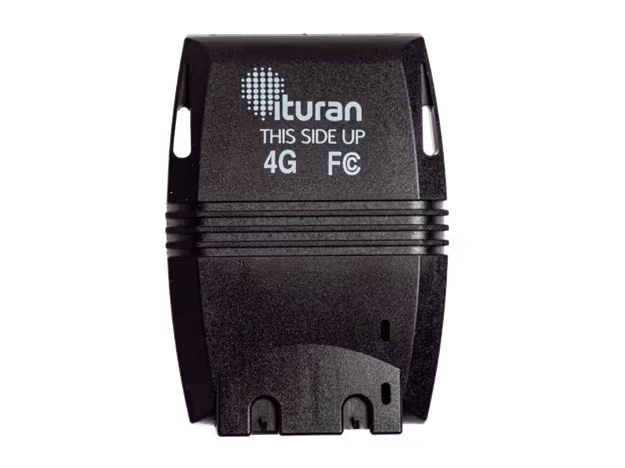
Payment Reminder (optional)
Parking Behavior Report
Accident Notification
Tow Alert
Impound Lots Monitor
Mileage Tracking
Special Relays for Faster Installation
Backup Battery
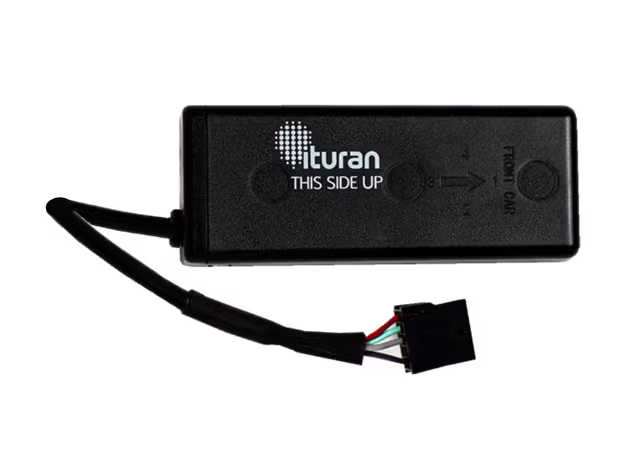
Accident Notification
Tow Alert
Impound Lots Monitor
Mileage Tracking
OBD Installation (optional)
Backup Battery
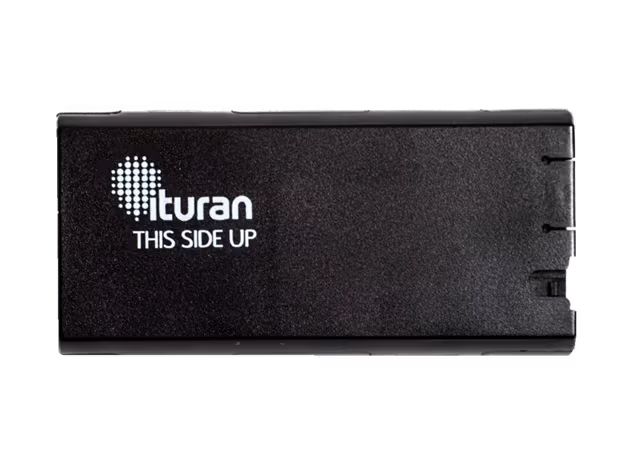
Cost Effective Device
Flexible Tracking Intervals
3 Year Battery Life
Choosing the right fleet vehicle tracking solution involves more than just comparing monthly fees. The true value lies in the long-term benefits and the features that directly address your business challenges. Consider the potential savings from reduced fuel consumption, lower insurance premiums, and minimized vehicle downtime. Advanced features like geofencing alerts and detailed reporting provide actionable insights that empower you to make smarter decisions. Our range of products, including the Drive-It Product, offers flexible options to meet the diverse needs of today's businesses.


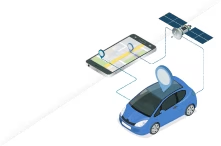


A Comprehensive Guide to Fleet GPS Tracking Costs and Features
In today's competitive business landscape, gaining visibility into your fleet's operations is no longer a luxury but a necessity. A fleet GPS tracking solution provides the critical data needed to manage your vehicles, drivers, and assets effectively. However, with a wide array of providers and technologies available, navigating the pricing models can be complex. This guide will break down the typical costs associated with fleet telematics and help you identify the features that offer the most value for your specific industry, whether you manage a small service fleet or a large portfolio of financed vehicles.
The pricing for a GPS fleet management system is generally composed of two primary components: hardware costs and a recurring software or service subscription fee. Understanding how these elements are structured is key to accurately budgeting for your investment and comparing different fleet GPS tracking companies.
Deconstructing GPS Tracking Pricing Models
Most providers structure their pricing in a few common ways. The most prevalent model is a monthly subscription fee per vehicle. This fee typically covers the software access, cellular data for the device, and customer support. Hardware, such as the GPS tracking device itself, might be included in the subscription, leased, or purchased upfront. A higher upfront hardware cost often corresponds to a lower monthly subscription fee. Conversely, some providers offer "free" hardware but roll its cost into a higher monthly payment over the course of a multi-year contract. Carefully review the contract length, as longer terms (e.g., three to five years) usually result in a lower per-month cost but require a longer commitment. For more information about our company and our approach, visit our about us page.
Key Features That Influence Fleet Tracking Prices
Not all GPS tracking systems are created equal. The price you pay is directly linked to the sophistication and breadth of the features included. Here are some of the core functionalities that can impact the overall cost:
- Real-Time Tracking vs. Passive Logging: The ability to see your vehicles' locations on a map in real-time is a standard feature, but the update frequency (e.g., every 30 seconds vs. every 5 minutes) can affect the price. Passive systems that only upload data periodically are less common but may be cheaper.
- Driver Behavior Monitoring: Advanced systems use accelerometers to detect and report on unsafe driving habits such as harsh braking, rapid acceleration, and speeding. This feature is invaluable for improving driver safety monitoring and reducing wear and tear.
- Starter Interrupt & Vehicle Immobilization: Especially crucial for Buy Here Pay Here (BHPH) dealers and auto lenders, a starter-interrupt GPS tracker allows for remote disabling of a vehicle's starter. This technology is a powerful tool for collateral protection and payment assurance.
- Geofencing and Alerts: This feature allows you to create virtual boundaries around specific locations (like a job site, office, or restricted area) and receive instant notifications via text or email when a vehicle enters or exits, enhancing security and operational control.
- Reporting and Analytics: A powerful fleet tracking dashboard provides comprehensive reports on everything from trip history and idle time to fuel efficiency and maintenance schedules. The depth and customization of these reports often differentiate pricing tiers.
- System Integration (API): The ability to integrate GPS data with your existing software, such as a Dealer Management System (DMS) or Customer Relationship Management (CRM), adds significant value but may come at a higher price point.
Specialized Applications for Automotive and Finance Industries
While general fleet management is a large market, the automotive sales and finance sectors have unique needs that specialized GPS solutions address. For used car dealerships, especially those offering in-house financing, GPS tracking for BHPH dealers is an essential risk mitigation tool. These systems are designed for collateral management and recovery assistance.
Features like payment reminders, which can be programmed into the device to emit an audible alert inside the vehicle as a payment due date approaches, are highly effective. Furthermore, the precise location data provided by a BHPH vehicle recovery GPS system is invaluable in the unfortunate event that a repossession becomes necessary. It streamlines the recovery process, saving time and money. Our products, like the Control-It Product and Protect-It Product, are tailored to provide this level of security and control for your valuable assets.
Calculating the Return on Investment (ROI)
When evaluating fleet GPS tracking pricing, it is important to look beyond the monthly expense and calculate the potential ROI. A well-implemented system can generate significant savings. Reduced idling and optimized routing lead to direct fuel savings. Monitoring driver behavior can lead to fewer accidents and lower insurance costs. Proactive maintenance alerts based on actual mileage prevent costly breakdowns. For businesses that rely on timely service calls, such as HVAC, plumbing, or delivery services, the ability to dispatch the nearest vehicle improves customer satisfaction and allows for more jobs to be completed per day. The efficiency gains, enhanced security, and cost reductions often far outweigh the monthly subscription cost, making it one of the most impactful technology investments a business can make. To learn more about how we can help your business, please contact us today.
Frequently Asked Questions
What is the typical price range for a fleet GPS tracking service?
The price for fleet GPS tracking services can vary widely, typically ranging from $15 to $45 per vehicle per month. The final cost depends on factors like the number of vehicles, contract length, and the specific features included, such as driver behavior monitoring, starter interrupt capabilities, or advanced reporting and analytics.
Are there additional costs besides the monthly subscription?
Some providers may have additional costs. This can include an upfront purchase price for the hardware (the GPS device itself), installation fees if professional installation is required, and potential one-time activation fees. It is important to ask for a complete breakdown of all potential charges before signing a contract.
How does the contract length affect the pricing?
Generally, a longer contract term will result in a lower monthly fee per vehicle. For example, a three or five-year agreement will usually have a more attractive monthly rate than a one-year or month-to-month plan. Providers offer this discount to secure a longer-term business relationship.
Do I need to buy different hardware for different features?
Often, yes. Basic location tracking may use a simple plug-and-play OBD-II device. More advanced features, like starter disable or monitoring external sensors, require a more complex, hardwired device. It is crucial to discuss your feature requirements upfront to ensure you get the correct hardware for your needs.
Is professional installation required for GPS tracking devices?
It depends on the device type. Simple OBD-II trackers can be plugged in by anyone in a matter of seconds. However, more covert or feature-rich hardwired devices, especially those with starter interrupt functionality, should be installed by a professional technician to ensure proper and safe vehicle operation.