
Managing a fleet of vehicles, whether for a small business, a large enterprise, or a Buy Here Pay Here dealership, presents a unique set of operational challenges. From optimizing routes and monitoring driver behavior to protecting valuable assets, the need for visibility and control is paramount. A robust fleet GPS tracking system can provide the insights necessary to improve efficiency, enhance security, and reduce operational costs. However, the market is filled with a wide variety of providers, each offering different features, hardware, and pricing models. Choosing the right partner is critical. This guide is designed to help you navigate the complexities of a fleet GPS tracking service comparison, empowering you to identify the solution that best aligns with your business objectives and operational requirements. Understanding the key differences between systems is the first step toward smarter fleet management.
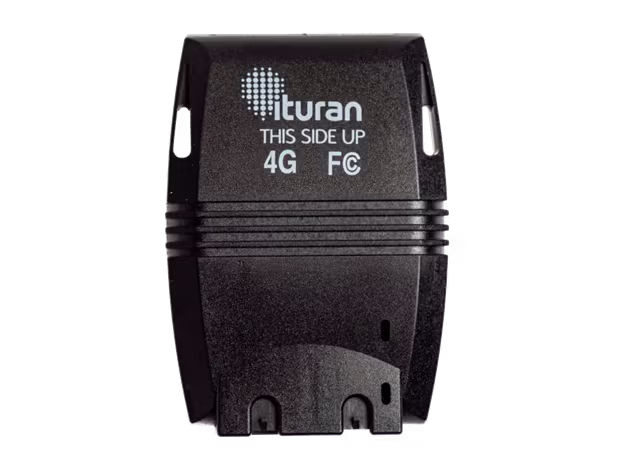
Payment Reminder (optional)
Parking Behavior Report
Accident Notification
Tow Alert
Impound Lots Monitor
Mileage Tracking
Special Relays for Faster Installation
Backup Battery
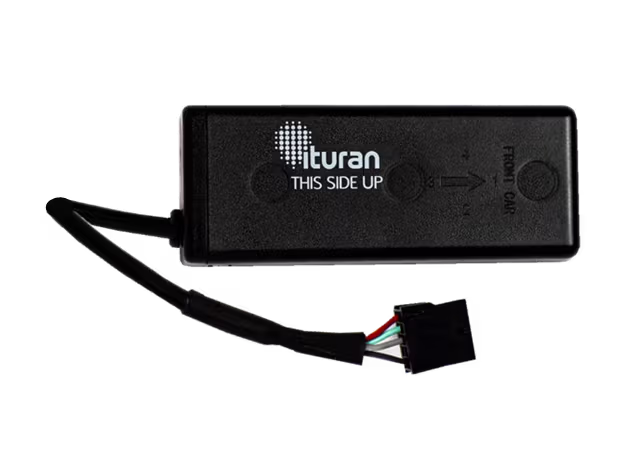
Accident Notification
Tow Alert
Impound Lots Monitor
Mileage Tracking
OBD Installation (optional)
Backup Battery
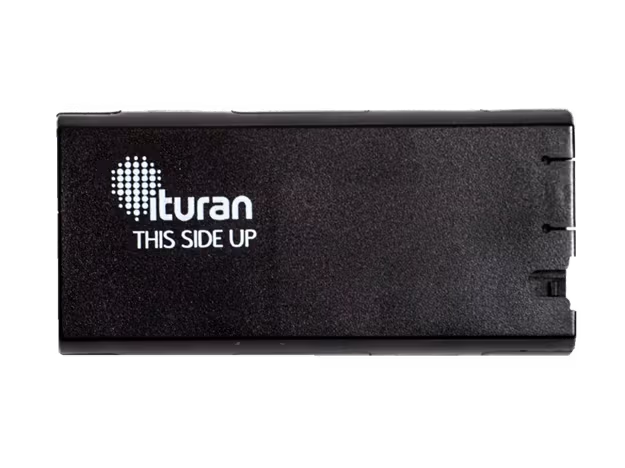
Cost Effective Device
Flexible Tracking Intervals
3 Year Battery Life
Making an informed decision requires a deep dive into the core functionalities that drive value. Beyond simple location tracking, modern systems offer powerful tools for everything from maintenance scheduling and fuel management to driver safety scoring and payment reminders. By comparing these features side-by-side, you can determine which service offers the most comprehensive toolkit for your specific needs. Our Our Services page details some of the advanced solutions we support, providing a foundation for your evaluation process.


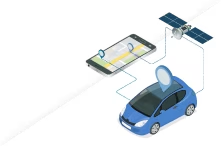


Understanding the Core Components of Fleet GPS Tracking
At its heart, a fleet GPS tracking system is a combination of hardware and software designed to monitor and manage vehicles remotely. A small GPS tracking device is installed in each vehicle, which collects data such as location, speed, and engine status. This information is then transmitted via a cellular network to a central server. From there, fleet managers can access the data through a web-based software platform or mobile app. This real-time visibility allows businesses to make data-driven decisions that can positively impact every aspect of their fleet operations. For automotive businesses, this technology is transformative, offering solutions from GPS tracking for dealer inventory to sophisticated tools for auto lenders.
Essential Features to Compare in a Tracking Service
When evaluating different fleet GPS tracking providers, it is important to look beyond the basic dot on a map. The true value lies in the advanced features and analytics that help you manage your assets and team more effectively. A thorough comparison should focus on the functionalities that will solve your specific business challenges. Consider the following key features:
- Real-Time Location Tracking: The foundation of any system. Look for providers that offer high-frequency updates (e.g., every 30-60 seconds) for precise, live tracking of your entire fleet on a single dashboard.
- Geofencing Capabilities: This feature allows you to create virtual boundaries around specific locations, such as job sites, customer locations, or your main lot. You can receive instant alerts via text or email whenever a vehicle enters or exits a predefined zone.
- Driver Behavior Monitoring: Improve safety and reduce wear and tear by tracking metrics like speeding, harsh braking, rapid acceleration, and excessive idling. Many systems provide fleet driver scorecards to promote accountability and safer driving habits.
- Comprehensive Reporting and Analytics: The ability to generate detailed reports is crucial. Look for customizable reports on trip history, idle time, mileage, geofence activity, and maintenance, which provide actionable insights for improving fleet productivity.
- Maintenance Alerts and Scheduling: Proactive vehicle maintenance is key to minimizing downtime. Advanced systems can track mileage and engine hours to send automated reminders for oil changes, tire rotations, and other routine service.
- Starter Interrupt and Vehicle Recovery: For dealerships and auto finance companies, features like remote starter interrupt for dealers and robust stolen vehicle recovery services are invaluable for risk management and asset protection.
Hardware Deep Dive: Hardwired vs. Plug-and-Play Devices
The physical GPS device installed in your vehicle is a critical component of the overall system. There are two primary types to consider:
Hardwired GPS Trackers: These devices are connected directly to the vehicle's power source, making them a more permanent and tamper-resistant solution. The installation is more involved but results in a discreet and highly reliable connection. Hardwired units can support more advanced features, such as starter disable and detailed engine diagnostics. They are the standard for commercial fleet GPS tracking and dealership applications where security is a top priority.
Plug-and-Play (OBD-II) Trackers: These devices simply plug into the vehicle's OBD-II port, typically located under the dashboard. Installation takes seconds, and they can be easily moved between vehicles. While convenient, they are also more visible and can be unplugged. They are a great option for businesses that need flexibility or want to track personal vehicles without permanent modification. However, they may not support the full range of advanced features available with hardwired counterparts.
Software Platform and Integration Capabilities
The software is where you will interact with your fleet data every day. A user-friendly, intuitive platform is essential. When comparing software, look for a clean dashboard that provides an at-a-glance overview of your entire fleet. A robust mobile app is also a must-have for managing operations on the go. One of the most important considerations is integration. The ability for the GPS platform to connect with other business software, such as a Dealer Management System (DMS) or Customer Relationship Management (CRM) software, can streamline workflows and unlock new levels of efficiency. Look for providers that offer a GPS tracking API integration to facilitate these connections, creating a unified ecosystem for managing your business.
Finding the Right Fit: Pricing, Contracts, and Support
Fleet GPS tracking service pricing typically involves two components: the upfront cost of the hardware and a recurring monthly service fee per vehicle. These fees cover data transmission, software access, and customer support. Some companies may offer the hardware for free or at a reduced cost in exchange for a longer-term contract, typically one to three years. Be sure to read the fine print and understand the total cost of ownership. Ask about contract terms, cancellation policies, and any potential hidden fees. Finally, evaluate the level of customer support offered. Does the provider offer 24/7 support? Is training included? A strong support system can make all the difference, especially when you are first implementing the technology. For more information, please do not hesitate to contact us.
What is the main difference between consumer car trackers and professional fleet tracking systems?
Professional fleet GPS tracking systems are designed for commercial use and offer a much wider range of features than consumer-grade trackers. While a personal tracker might only show location, a fleet system provides detailed analytics on driver behavior, engine diagnostics, geofencing alerts, maintenance scheduling, and comprehensive reporting tools tailored for business operations and asset management.
How does GPS tracking help reduce fleet operating costs?
GPS tracking helps reduce costs in several ways. It enables route optimization to save on fuel and time. Monitoring driver behavior like speeding and excessive idling can significantly lower fuel consumption and reduce wear and tear on vehicles. Proactive maintenance alerts help prevent costly, unexpected breakdowns, and improved security can lower insurance premiums and prevent asset loss.
Can fleet tracking systems improve driver safety?
Absolutely. By monitoring metrics such as harsh braking, rapid acceleration, and speeding, managers can identify risky driving habits and provide targeted coaching. Many systems include driver scorecards to create accountability and encourage safer practices. In-cab alerts and immediate notifications for unsafe events can also contribute to a safer fleet culture.
Is the installation of GPS tracking devices complicated?
The installation process varies by device type. Plug-and-play OBD-II trackers are extremely simple and can be installed by anyone in seconds without tools. Hardwired devices require a more professional installation, as they connect to the vehicle's electrical system. Many providers offer professional installation services to make this process seamless for their clients.
What should I look for in a fleet GPS tracking contract?
When reviewing a contract, pay close attention to the term length, the total monthly cost per vehicle, and any upfront hardware fees. Inquire about the warranty on the hardware and the provider's policy for device replacement. Also, understand the terms for adding or removing vehicles from your plan and clarify the process and any potential fees associated with early termination of the agreement.