
Navigating the world of fleet telematics can be complex, but choosing the right software is a critical step toward optimizing your business operations. A robust telematics system transforms your fleet from a collection of vehicles into a network of intelligent, data-producing assets. By leveraging real-time information, you can enhance efficiency, improve driver safety, reduce operational costs, and streamline maintenance schedules. This comprehensive comparison guide is designed to demystify the process. We will explore the essential features to evaluate, from advanced fleet GPS tracking to sophisticated driver behavior analytics. Understanding these components is the key to selecting a solution that aligns perfectly with your company’s unique goals, whether you manage a small service fleet or a large commercial operation. Making an informed decision today will pave the way for a more productive and profitable future for your entire fleet.
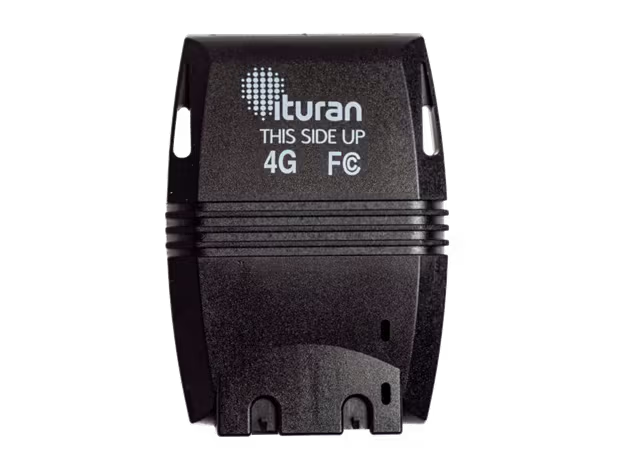
Payment Reminder (optional)
Parking Behavior Report
Accident Notification
Tow Alert
Impound Lots Monitor
Mileage Tracking
Special Relays for Faster Installation
Backup Battery
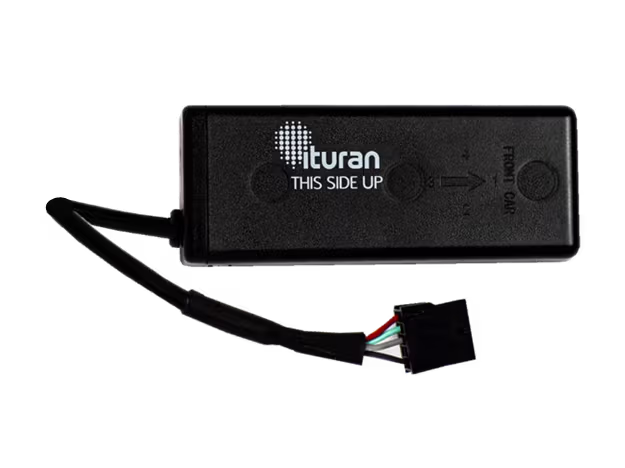
Accident Notification
Tow Alert
Impound Lots Monitor
Mileage Tracking
OBD Installation (optional)
Backup Battery
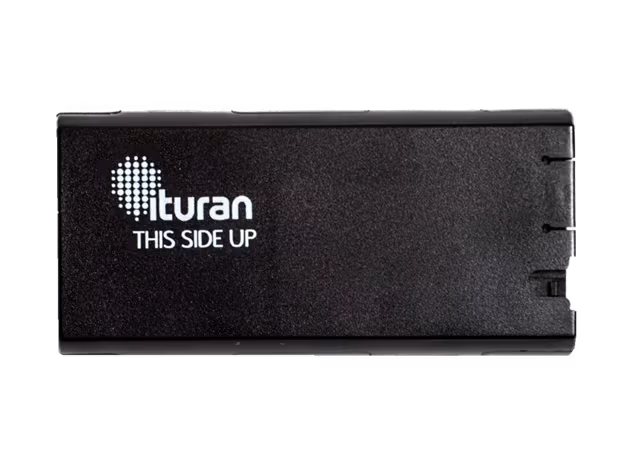
Cost Effective Device
Flexible Tracking Intervals
3 Year Battery Life
Selecting the ideal fleet telematics software involves more than just picking a provider; it requires a strategic analysis of your specific needs. Focus on systems that offer scalable solutions, allowing the platform to grow alongside your business. Prioritize software with a user-friendly interface and a comprehensive reporting suite to ensure you can easily access and interpret valuable data. The right platform will not only provide vehicle location but also deliver actionable insights into fuel consumption, driver performance, and vehicle health, ultimately maximizing your return on investment.


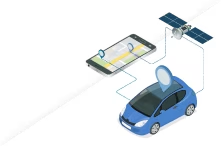


A Deep Dive into Fleet Telematics Software Comparison
In today's competitive business landscape, fleet efficiency is not just an advantage; it is a necessity. Fleet telematics software has emerged as the central nervous system for modern fleet management, offering unprecedented visibility and control over mobile assets. This technology combines GPS tracking, onboard vehicle diagnostics, and wireless communication to collect and transmit a vast array of data. This data is then translated into actionable insights through a software platform, empowering managers to make smarter, data-driven decisions. From reducing fuel waste to improving driver safety and optimizing routes, the benefits are substantial. However, with a crowded market of fleet telematics providers, understanding how to compare these complex systems is crucial. This guide breaks down the essential features and considerations to help you identify the perfect solution for your business needs.
Core Features to Evaluate in a Fleet Management System
When comparing different fleet telematics software options, it is essential to look beyond the basic GPS map and delve into the features that drive real value. A top-tier system should be a comprehensive tool that addresses multiple facets of your operations. Consider the following core components as your benchmark for evaluation.
- Real-Time GPS Tracking: The foundation of any telematics system is its ability to provide precise, real-time location data. Look for platforms that offer high-frequency updates, detailed trip histories, and clear, easy-to-read mapping. This feature is indispensable for everything from dispatching the nearest driver to a job to recovering a stolen vehicle.
- Driver Behavior Monitoring: Improving driver safety and accountability is a major benefit. A quality system tracks metrics like speeding, harsh braking, rapid acceleration, and excessive idling. Look for software that provides driver scorecards and trend analysis to facilitate coaching and reward good habits.
- Vehicle Diagnostics and Maintenance: Proactive maintenance prevents costly downtime. The software should connect to the vehicle’s OBD-II port to monitor engine health, read diagnostic trouble codes (DTCs), and track mileage. This enables automated maintenance scheduling and alerts you to potential issues before they become serious problems.
- Fuel Management and Reporting: Fuel is one of the largest expenses for any fleet. Telematics can help you monitor fuel consumption, track fill-ups to identify potential theft, and reduce idling time. Detailed reports on fuel efficiency per vehicle or driver can highlight opportunities for significant cost savings.
- Geofencing and Custom Alerts: Geofencing allows you to create virtual boundaries around specific locations, such as job sites, customer locations, or office yards. The system can then send automatic alerts when a vehicle enters or exits these zones, helping you track arrival times, verify service calls, and prevent unauthorized vehicle use.
- Reporting and Analytics: Data is only useful if you can understand it. The best platforms offer customizable dashboards and a wide range of reports. You should be able to easily generate reports on everything from fleet utilization and trip duration to driver performance and maintenance history.
Choosing the Right Provider for Your Business Scale
The needs of a small business with five vans are vastly different from those of an enterprise with hundreds of trucks. When performing a fleet GPS tracking software comparison, consider how each provider caters to different business sizes. Some providers specialize in simple, plug-and-play solutions perfect for small businesses, offering essential tracking and basic reporting at an affordable price. These are often ideal for local service companies like plumbers or landscapers.
Larger operations, however, often require more robust and customizable solutions. Enterprise-level platforms typically offer advanced features such as API integrations to connect with existing software (like dispatch or accounting systems), multi-user access with customizable permissions, and dedicated account support. These systems are built to handle large volumes of data and provide the deep analytics needed to manage complex logistics. Before committing, ask potential providers about their scalability, customer support structure, and their experience with businesses in your industry and of your size.
The Importance of Integration and User Experience
A powerful telematics system that is difficult to use will not be adopted by your team. The user interface (UI) for both the desktop dashboard and mobile app should be intuitive and clean. Managers should be able to find the information they need quickly, and drivers should be able to interact with their part of the system with minimal distraction. During your comparison, request a live demo to navigate the software yourself. Furthermore, consider the platform’s integration capabilities. The ability to integrate telematics data with your other business systems, such as a Dealer Management System (DMS) or a Customer Relationship Management (CRM) platform, can create powerful efficiencies. This GPS tracking system integration streamlines workflows by eliminating the need for manual data entry and providing a more holistic view of your operations, from vehicle location to customer service history.
Ultimately, the best fleet telematics software is the one that provides the specific data you need in an accessible format to solve your biggest challenges. By carefully evaluating these core features, considering the provider’s scalability, and prioritizing user experience, you can confidently select a solution that will become an invaluable asset to your business.
What is fleet telematics software?
Fleet telematics software is a comprehensive platform used to monitor and manage a fleet of vehicles. It combines GPS technology, onboard vehicle diagnostics, and wireless data transmission to collect information about vehicle location, speed, fuel consumption, driver behavior, and engine health. This data is then presented in a user-friendly dashboard with reports and alerts, helping businesses improve efficiency, safety, and productivity.
How can telematics software help reduce fleet operating costs?
Telematics software reduces costs in several key areas. It optimizes routing to decrease fuel consumption and mileage. It monitors driver behavior like speeding and excessive idling, which are major sources of fuel waste. Additionally, it provides proactive maintenance alerts based on actual vehicle data, helping to prevent costly, unexpected breakdowns and extending the life of your vehicles.
What is driver behavior monitoring and why is it important?
Driver behavior monitoring is a feature that tracks and analyzes how a company's vehicles are being driven. It records events such as harsh braking, rapid acceleration, speeding, and sharp cornering. This is important because it helps identify risky driving habits that can be corrected through coaching, which improves safety, reduces the likelihood of accidents, lowers insurance premiums, and decreases wear and tear on vehicles.
Can telematics software be integrated with other business systems?
Yes, many leading fleet telematics platforms are designed for integration. They often offer an Application Programming Interface (API) that allows them to share data with other software systems you already use, such as accounting software, dispatch systems, customer relationship management (CRM) platforms, or a Dealer Management System (DMS). This integration streamlines workflows and provides a more unified view of your business operations.
What is the difference between telematics hardware and software?
The hardware is the physical GPS tracking device that is installed in the vehicle. It contains the GPS receiver, accelerometer, and a cellular or satellite modem to collect and transmit data. The software is the cloud-based platform that you access via a computer or mobile app. The software receives the data from the hardware, processes it, and displays it in the form of maps, dashboards, alerts, and reports.
Helpful Links