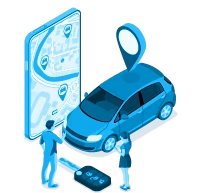
In today's fast-paced world, vehicle safety technology has advanced far beyond airbags and anti-lock brakes. One of the most significant innovations is the integration of GPS systems with automatic accident alerts. This powerful technology provides an immediate, automated response in the critical moments following a collision. By using sophisticated sensors to detect a significant impact, these systems can instantly transmit the vehicle's precise location to pre-determined contacts or emergency services. This can dramatically reduce response times, which is often crucial for the well-being of the vehicle's occupants. Having a GPS accident alert system is not just about convenience; it is a modern safety feature that offers an invaluable layer of protection for you and your loved ones on the road. To learn more about our commitment to vehicle technology, explore our our-services page.
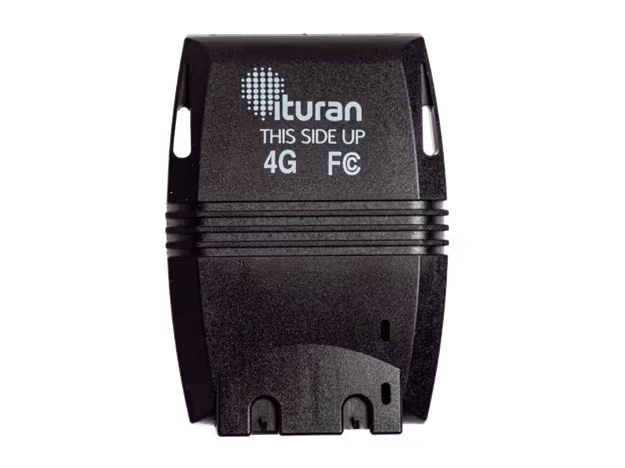
Payment Reminder (optional)
Parking Behavior Report
Accident Notification
Tow Alert
Impound Lots Monitor
Mileage Tracking
Special Relays for Faster Installation
Backup Battery
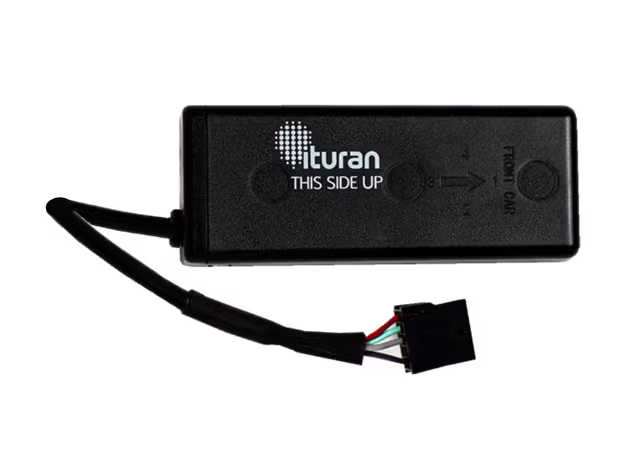
Accident Notification
Tow Alert
Impound Lots Monitor
Mileage Tracking
OBD Installation (optional)
Backup Battery
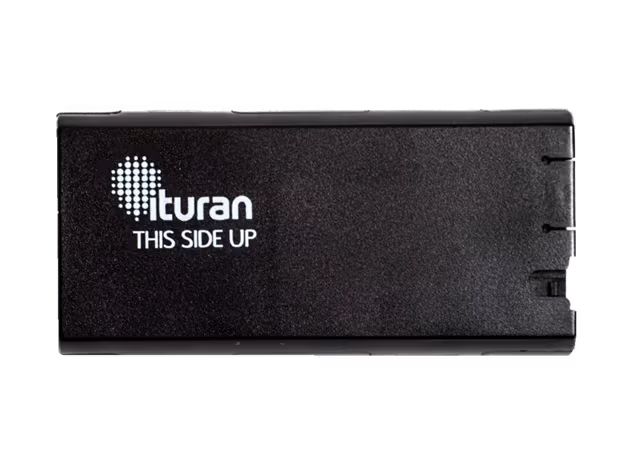
Cost Effective Device
Flexible Tracking Intervals
3 Year Battery Life
The peace of mind that comes with knowing help can be on the way, even when a driver is unable to call for it, is immeasurable. These systems are especially beneficial for families with new teen drivers, elderly parents who still drive, or anyone who frequently travels alone or in remote areas. The technology acts as a silent guardian, constantly monitoring for an incident and ready to act in an instant. This proactive approach to safety is changing how we think about on-road security and support.



How GPS Automatic Accident Detection Works
The technology behind GPS accident alerts is a remarkable fusion of hardware and software designed for one purpose: to detect a collision and call for help automatically. At the heart of these systems is a device equipped with advanced sensors, primarily an accelerometer and a gyroscope. The accelerometer measures changes in velocity, including sudden and extreme deceleration, which is a hallmark of a crash. The gyroscope detects changes in orientation, such as the rolling or flipping of a vehicle. When these sensors register forces that exceed a pre-set threshold indicative of a serious impact, the system's algorithm is triggered.
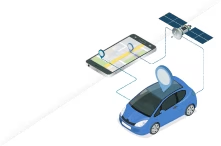
Once triggered, the device's integrated GPS module pinpoints the vehicle's exact latitude and longitude. Simultaneously, its cellular communication component sends out an automated alert. This notification, which includes the precise location data, is sent via text message, email, or a mobile app notification to a list of designated emergency contacts. Some advanced systems can also be configured to alert a 24/7 monitoring center, where a live operator can attempt to contact the driver and dispatch emergency medical services, police, or roadside assistance directly to the scene. This entire sequence happens within seconds of the impact, bridging the dangerous gap between when an accident occurs and when help is summoned.
The Core Benefits of an Accident Alert System
The primary advantage of an automatic accident alert system is the potential for a significantly faster emergency response. In any medical emergency, but especially following a vehicle collision, every second counts. A driver might be incapacitated, disoriented, or simply out of cellular range to make a call. An automated system bypasses these obstacles entirely. Beyond immediate response, these systems offer a host of other benefits that enhance safety and security for vehicle owners.
- Peace of Mind for Families: Parents of teen drivers or caregivers for elderly relatives can find great comfort in this technology. Systems that monitor driver behavior can provide teen-driver-speed-alerts, and in the event of an accident, parents are notified immediately with a location, allowing them to respond quickly.
- Accurate Location Data: Emergency dispatchers receive exact GPS coordinates, which is invaluable if an accident occurs on an unmarked road, in a rural area, or during adverse weather conditions that reduce visibility. This eliminates guesswork and ensures help is sent to the right place.
- Incident Verification: The data log created by the GPS device provides a precise time and location stamp for the incident. This can be useful documentation when filing police reports and insurance claims, providing an unbiased electronic record of the event.
- Support for Lone Travelers: For individuals who frequently commute or travel long distances alone, an accident alert system provides a critical safety net, offering confidence that help can be on the way no matter where they are.
A Comprehensive Vehicle Safety and Security Platform
While automatic crash notification is a cornerstone feature, most modern GPS tracking devices offer a full suite of tools that go far beyond accident alerts. This turns a single device into a multi-faceted platform for vehicle security, monitoring, and management. Many of the same technologies that enable accident alerts also power other valuable features.
One of the most popular related features is stolen-vehicle-recovery-gps. If your car is ever stolen, the GPS tracker allows you or law enforcement to pinpoint its real-time location, vastly improving the chances of a quick recovery. Additionally, geofencing capabilities allow you to set virtual boundaries on a map. You can receive an instant alert if your vehicle enters or leaves a designated area, such as a home, school, or workplace, which is another great tool for monitoring teen drivers or protecting against unauthorized use.
These systems are also central to effective driver-behavior-monitoring. By analyzing data from the accelerometer, the system can report on instances of speeding, harsh braking, and rapid acceleration. This information can be used to coach new drivers, improve fuel efficiency, and reduce wear and tear on the vehicle. For businesses, this data is essential for managing a safe and efficient fleet of vehicles, protecting both employees and company assets. From small businesses to large enterprises, fleet-gps-tracking is a critical component of modern operations.
Our team is dedicated to helping customers understand all their options. To learn more about our philosophy and the people behind our dealership, please visit our about-us page. We believe in providing technology that empowers and protects our customers.
How does a GPS device detect a car accident?
GPS accident alert systems use a built-in accelerometer, a sensor that measures changes in speed and force. When the device detects a sudden, severe deceleration or impact that crosses a pre-defined G-force threshold, its algorithm identifies the event as a probable collision and triggers an alert.
Who receives the accident alert after it is triggered?
The alert is sent to a list of emergency contacts that you designate during setup. This can include family members, friends, or other trusted individuals. Notifications are typically sent via SMS text message, email, or a push notification through a smartphone app, and they include the vehicle's precise location.
Do GPS accident alert systems require a monthly subscription?
Most GPS tracking and alert systems require a recurring service plan. This subscription covers the cost of the cellular data used by the device to transmit its location and send alerts, as well as access to the software platform, mobile app, and data storage. The fee can vary depending on the provider and features.
Can GPS accident alert data be used for insurance claims?
Yes, the data from a GPS device can be very helpful for an insurance claim. The system provides an impartial, electronic record of the exact time and location of the incident. This data can help corroborate your account of the event and streamline the claims process by providing clear, factual information.
Is professional installation needed for these vehicle tracking devices?
It depends on the device. Some GPS trackers are simple plug-and-play units that connect to the vehicle's OBD-II port. However, more advanced, hardwired systems that are discreetly installed and connected to the vehicle's power supply benefit from vehicle-gps-tracker-installation to ensure proper and reliable function.