
Effectively managing a commercial fleet involves more than just tracking vehicle locations. It requires a deep understanding of driver behavior to promote safety, reduce operational costs, and protect your valuable assets. GPS speed monitoring is a critical component of modern fleet management, providing businesses with the real-time data needed to enforce speed policies and cultivate a culture of accountability. By tracking vehicle speeds, you can proactively address risky driving habits like excessive speeding, which directly contributes to higher fuel consumption, increased wear and tear, and a greater risk of accidents. Implementing a robust speed monitoring system empowers you to enhance driver safety, improve efficiency, and ultimately boost your bottom line. Our advanced automotive GPS tracking solutions offer comprehensive insights, putting you in complete control of your fleet's performance and on-road conduct.
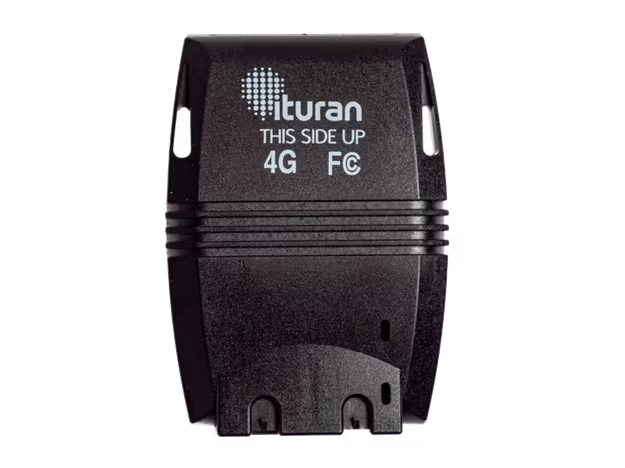
Payment Reminder (optional)
Parking Behavior Report
Accident Notification
Tow Alert
Impound Lots Monitor
Mileage Tracking
Special Relays for Faster Installation
Backup Battery
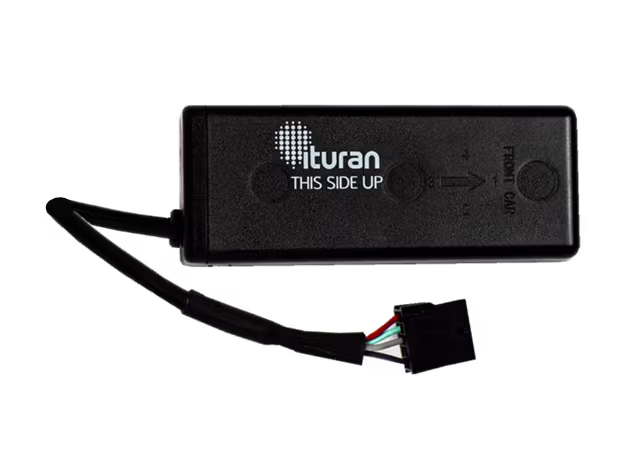
Accident Notification
Tow Alert
Impound Lots Monitor
Mileage Tracking
OBD Installation (optional)
Backup Battery
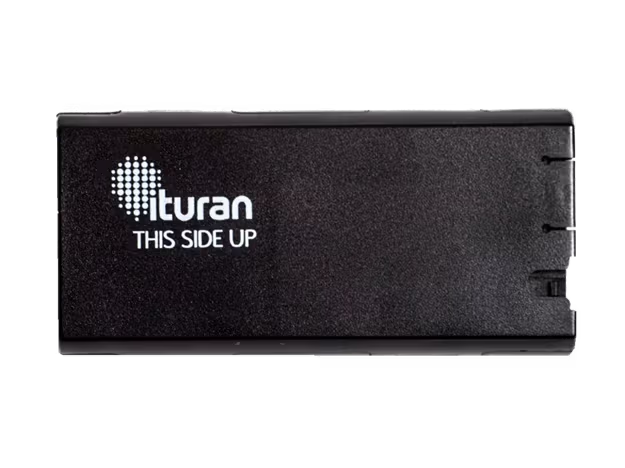
Cost Effective Device
Flexible Tracking Intervals
3 Year Battery Life
Gain unparalleled visibility into your fleet's daily operations with our state-of-the-art GPS speed monitoring technology. This powerful tool is essential for any business looking to mitigate risk and optimize performance. You will receive instant alerts for speeding events, allowing for immediate intervention and driver coaching. Detailed reports provide historical data, helping you identify trends and patterns in driver behavior. This data-driven approach not only helps lower insurance premiums and maintenance costs but also strengthens your company's reputation for safety and reliability.





The Comprehensive Benefits of Fleet Speed Monitoring
In today's competitive business landscape, optimizing every aspect of your operation is key to success. For companies that rely on a fleet of vehicles, managing driver behavior is one of the most impactful ways to control costs and reduce liability. A GPS vehicle monitoring system equipped with speed tracking capabilities is no longer a luxury, it is a fundamental tool for responsible fleet management. Speeding is a leading cause of accidents, results in significant fuel waste, and places unnecessary strain on vehicle components. By actively monitoring and managing driver speed, you can create a safer work environment for your employees and the public, while also realizing substantial financial savings.
Our systems provide more than just a dot on a map. They deliver actionable intelligence that transforms how you manage your mobile workforce. Through a user-friendly fleet tracking dashboard, you can set custom speed thresholds for different vehicles or road types. When a driver exceeds the predefined limit, an instant notification can be sent to managers via text or email. This real-time awareness allows for proactive coaching rather than reactive discipline. Over time, this consistent oversight helps reshape driving habits across your entire team, leading to a more professional, efficient, and safety-conscious operation.
Enhancing Safety and Reducing On-the-Road Incidents
The primary benefit of implementing a driver safety monitoring system is the significant improvement in safety. The National Highway Traffic Safety Administration (NHTSA) consistently identifies speeding as a major factor in traffic fatalities. For a business, a single serious accident can have devastating consequences, including employee injuries, costly vehicle repairs, increased insurance premiums, and potential legal action. GPS speed monitoring directly addresses this risk. Knowing that their speed is being tracked encourages drivers to adhere to posted limits and operate their vehicles more cautiously. This reduction in aggressive driving behaviors, such as rapid acceleration and speeding, naturally leads to fewer accidents and a safer operational record.
Driving Down Operational Costs
Speed has a direct and measurable impact on your fleet's fuel consumption and maintenance expenses. Driving at high speeds significantly decreases fuel efficiency. According to the U.S. Department of Energy, every five miles per hour you drive over 50 mph is like paying an additional percentage for each gallon of gas. By curbing speeding across your fleet, you can achieve substantial reductions in fuel costs. Furthermore, excessive speed accelerates wear on critical vehicle components, including tires, brakes, and suspension systems. This leads to more frequent and costly repairs, as well as increased vehicle downtime. A fleet fuel efficiency tracking program, anchored by speed monitoring, helps extend the life of your vehicles and lowers your total cost of ownership.
- Receive instant alerts for speeding and other aggressive driving events.
- Utilize driver scorecards to promote friendly competition and reward safe driving.
- Analyze historical trip data to identify areas for driver coaching and improvement.
- Lower fuel consumption and reduce your fleet's carbon footprint.
- Minimize wear and tear on brakes, tires, and other vehicle systems.
Protecting Your Company's Reputation
Your company vehicles are mobile billboards, and the way they are driven reflects directly on your brand. A driver speeding or driving recklessly in a company-branded vehicle can quickly damage your public image. A single complaint or a viral social media post can create a public relations challenge that is difficult to overcome. Implementing a GPS tracking system for company vehicles demonstrates a commitment to public safety and corporate responsibility. It shows your clients, your community, and your employees that you prioritize safe operations. This can be a key differentiator, helping you build trust and confidence with customers who value reliability and professionalism.
Leveraging Data for Smarter Fleet Management
Modern fleet telematics solutions provide a wealth of data that goes far beyond simple speed alerts. Our platforms offer comprehensive reporting and analytics tools that give you a complete picture of your fleet's performance. You can generate detailed fleet driver activity reports that highlight trends in speeding, idling time, harsh braking, and route efficiency. This information is invaluable for performance reviews, identifying training needs, and optimizing routes for maximum productivity. By making data-driven decisions, you can continuously refine your operations, improve resource allocation, and foster a culture of continuous improvement within your team. For more details on how our technology works, please visit our our services page or feel free to contact us directly.
How does GPS speed monitoring work?
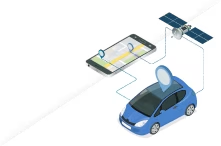
A GPS tracking device installed in each vehicle transmits real-time location and speed data to a central software platform. Fleet managers can log into this platform to view live vehicle speeds and set up customized alerts. If a vehicle exceeds a predefined speed limit, the system automatically triggers an alert that can be sent to the manager via email or text message for immediate awareness and action.
Can I set different speed limits for different types of roads?
Yes, advanced fleet management systems often include features that allow you to set variable speed limits. You can create rules based on posted road speed limits or define your own thresholds for specific zones, such as residential areas, highways, or job sites. This provides greater context and accuracy for your speeding alerts, distinguishing between driving 70 mph on a highway and 45 mph in a school zone.
What kind of reports can I generate about driver speed?
You can generate a wide variety of reports to analyze driver behavior. Common reports include a "Top Speeders" report, which identifies drivers who most frequently exceed limits, individual driver scorecards that rank performance, and detailed trip history reports that show where and when speeding events occurred. These reports are crucial for performance reviews, training, and policy enforcement.
Will monitoring driver speed improve our fleet's fuel efficiency?
Absolutely. Speeding is a major contributor to poor fuel economy. By enforcing speed limits, you encourage drivers to maintain a steady, more efficient speed. This reduces excessive fuel burn associated with high RPMs and aggressive driving. Many businesses see a significant reduction in their overall fuel costs within a few months of implementing a comprehensive speed monitoring program.
How can speed monitoring help reduce our company's liability?
In the event of an accident, having detailed GPS data can be invaluable. The data can provide an objective record of the vehicle's speed and behavior leading up to the incident, which can be critical for insurance claims and legal proceedings. Proactively monitoring for and correcting speeding also demonstrates that your company has taken reasonable steps to promote safe driving, which can help mitigate liability.