In today's connected world, a GPS tracker for car owners offers more than just a moving dot on a map; it provides a comprehensive suite of tools for security, safety, and management. Whether you are a parent wanting to keep an eye on a new teen driver, a business owner managing a fleet of vehicles, or simply an individual seeking enhanced security for your personal car, modern automotive GPS tracking systems deliver invaluable peace of mind. These sophisticated devices offer features like real-time location tracking, speed alerts, and detailed trip histories. Understanding how this technology works is the first step toward harnessing its full potential. From stolen vehicle recovery services that aid law enforcement to driver behavior monitoring that encourages safer habits, the applications are vast and beneficial for nearly every type of vehicle owner. This guide will explore the many facets of car GPS tracking and how it can empower you.
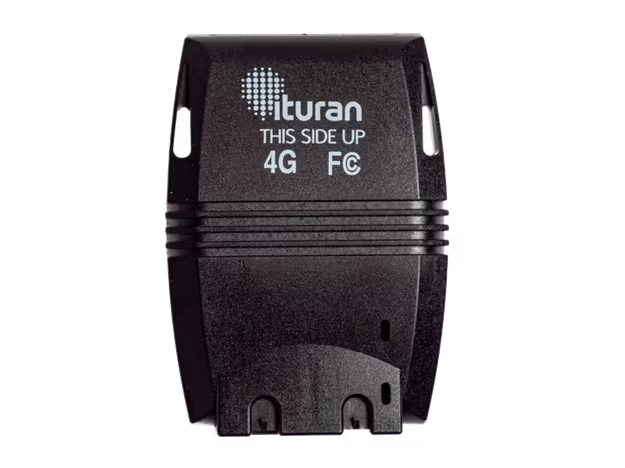
Payment Reminder (optional)
Parking Behavior Report
Accident Notification
Tow Alert
Impound Lots Monitor
Mileage Tracking
Special Relays for Faster Installation
Backup Battery
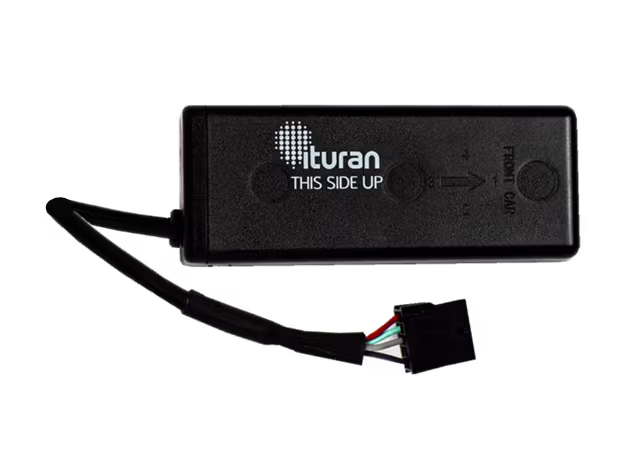
Accident Notification
Tow Alert
Impound Lots Monitor
Mileage Tracking
OBD Installation (optional)
Backup Battery
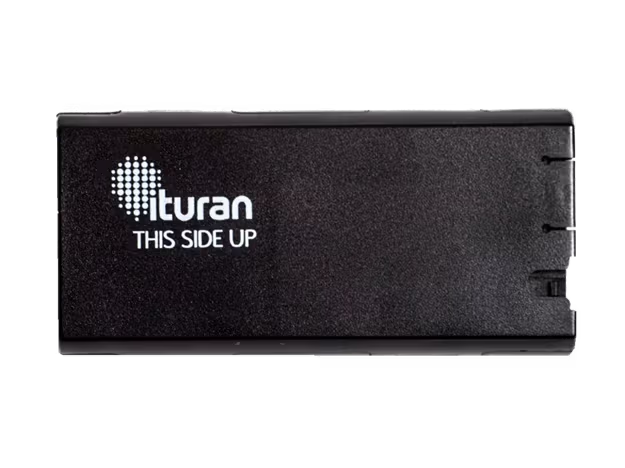
Cost Effective Device
Flexible Tracking Intervals
3 Year Battery Life
Embracing the right automotive tracking technology can transform how you interact with and protect your vehicle. The ability to set custom alerts for speed or location boundaries, review past routes, and even receive notifications for unauthorized movement puts you firmly in control. Here at our dealership, we believe in empowering our customers with knowledge. As you explore your vehicle options, consider how a vehicle GPS tracking system can add another layer of security and value to your ownership experience. Learn more about our commitment to customer satisfaction on our about us page.



A Deep Dive into Automotive GPS Tracking Solutions
GPS tracking technology has evolved significantly, becoming an accessible and powerful tool for a wide range of applications. For the average car owner, these systems demystify vehicle location and usage, providing clear, actionable data directly to a smartphone or computer. It is a proactive way to manage one of life’s most significant assets. By understanding the different types of trackers and their specific features, you can make an informed decision that aligns with your unique needs, whether they revolve around personal security, family safety, or professional fleet management.
Why Every Car Owner Should Consider a GPS Tracker
The reasons for installing a GPS tracker are as diverse as car owners themselves. The core benefits, however, consistently revolve around security, information, and control. These devices act as a silent guardian for your vehicle, offering a connection and oversight that was once unimaginable.
One of the most compelling reasons is for stolen vehicle recovery. In the unfortunate event of theft, a real-time car tracking system can provide law enforcement with the exact location of your vehicle, dramatically increasing the chances of a quick recovery. Many systems offer alerts for unauthorized movement, notifying you instantly if your car is moved without the key or outside of designated hours. This immediate notification is critical for a swift response. Furthermore, some advanced systems include a starter disable feature, allowing for remote immobilization of the vehicle once it has been safely located by authorities.
For families, especially those with new or teen drivers, a GPS tracker is an invaluable safety tool. Teen driver GPS tracking provides parents with insights into driving habits. You can receive alerts if the vehicle exceeds a pre-set speed limit, travels outside a designated geographical area (a feature known as geofencing), or is driven late at night. This isn't about a lack of trust; it is about having a tool to coach and encourage safe driving practices during the most formative years behind the wheel. The data from driver behavior monitoring can facilitate constructive conversations about responsible driving.
GPS Tracking for Business and Fleet Owners
Beyond personal use, GPS technology is a cornerstone of modern business operations involving vehicles. For companies of any size, from a local contractor with a few vans to a large-scale logistics operation, fleet GPS tracking provides essential operational visibility. It transforms fleet management from a reactive to a proactive process.
Business owners use these systems to optimize routes, reduce fuel consumption by monitoring idling, and improve customer service by providing more accurate arrival times. The ability to see your entire fleet on a single dashboard allows for smarter dispatching and resource allocation. Fleet driver behavior tracking also plays a crucial role in promoting safety and reducing liability. Monitoring for harsh braking, rapid acceleration, and speeding helps identify at-risk behaviors that can be addressed through training. This focus on safety can lead to fewer accidents and potentially lower insurance premiums. For more insights on business solutions, check out our company blog.
The Role of GPS Tracking in Automotive Financing
In certain automotive financing scenarios, particularly within the Buy Here Pay Here (BHPH) sector, GPS tracking devices serve as a tool for risk management. For lenders and used car dealerships that provide in-house financing, these devices help protect the vehicle collateral that secures the loan. It is important for customers to understand that the presence of such a device is often a standard component of these financing agreements.
These systems can include features like payment reminders, which can send an alert to the device to remind a customer of an upcoming payment. In cases of serious loan delinquency, the vehicle's location data is essential for the collateral recovery process. Features such as a starter interrupt are used in these situations as part of the asset recovery protocol. This technology allows lenders to work with a broader range of credit profiles by providing a reliable method to manage their portfolio. If you are exploring financing, you can learn about some of our options and get pre-approved online.
Key Features of Modern GPS Tracking Systems
Today's automotive GPS tracking solutions are packed with features designed to provide detailed information and control. Understanding these core functions will help you identify what is most important for your situation.
- Real-Time Tracking: View your vehicle's precise location on a map at any time, with location data often updating every few seconds or minutes for live monitoring.
- Geofencing: Create virtual boundaries on a map and receive instant text or email alerts whenever your vehicle enters or exits these designated areas.
- Historical Data and Reporting: Access detailed reports on trip history, mileage, stops, idle time, and speed. This is useful for business expense tracking or reviewing a teen's driving activity.
- Alerts and Notifications: Customize alerts for a variety of events, including speeding, harsh driving, after-hours movement, low battery voltage, and device tampering.
- Starter Interrupt/Disable: A feature that allows for the remote prevention of a vehicle's engine from starting. This is primarily used for vehicle recovery in financing and anti-theft scenarios.
- Mobile App Integration: Nearly all modern systems come with a user-friendly car gps tracking app for both iOS and Android, putting full control and visibility in the palm of your hand.
Whether for personal assurance or professional efficiency, a GPS tracker is a powerful addition to any vehicle. For any questions, please feel free to contact us.
How does a GPS tracker work in a car?
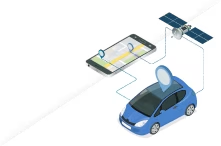
A GPS tracker uses the Global Positioning System to determine its precise location. It receives signals from satellites orbiting the Earth to calculate its coordinates. The device then uses a cellular connection, much like a cell phone, to transmit this location data to a server. You can then access this information in real-time through a web portal or a dedicated smartphone app, allowing you to see your car's location on a map.
Will a GPS tracker drain my car battery?
Modern, professionally installed GPS trackers are designed to be extremely energy-efficient. When the vehicle is running, the tracker draws power from the car's electrical system. When the car is off, it enters a low-power sleep mode, drawing a minimal amount of current from the battery. While any device can eventually drain a battery if a car is left unused for an extended period (many weeks or months), a quality tracker's power consumption is negligible in day-to-day use.
Is it legal to have a GPS tracker on a financed vehicle?
Yes, it is generally legal for a lender or dealership to install a GPS tracking device on a vehicle they are financing. The vehicle serves as collateral for the loan, and the lender has a legitimate financial interest in protecting that asset. This condition is typically disclosed in the financing agreement that the borrower signs. It is important to review all loan documents to understand the terms and conditions related to such devices.
What is the difference between a hardwired and a plug-in GPS tracker?
A hardwired GPS tracker is installed directly into the vehicle's electrical system, often concealed under the dashboard. This provides a more permanent and tamper-resistant installation. A plug-in tracker, on the other hand, simply plugs into the car's OBD-II (On-Board Diagnostics) port. Plug-in trackers are easier to install and move between vehicles but are also more visible and can be easily removed.
Can I track my car from my phone?
Absolutely. Nearly all modern car GPS tracking services come with a complimentary mobile app for both iOS and Android devices. These apps provide a user-friendly interface to see your vehicle's location in real-time, view its travel history, set up geofences, and receive push notifications for important alerts like speeding or unauthorized movement. This puts powerful vehicle monitoring capabilities directly in your pocket.
What is a starter interrupt feature?
A starter interrupt, also known as starter disable, is an advanced feature found on some GPS tracking devices. It allows a user to remotely send a command that prevents the vehicle's engine from starting. This feature is not designed to shut off a vehicle while it is in motion. It is primarily used as a security measure for stolen vehicle recovery or by lenders for collateral management in cases of severe loan default, preventing the vehicle from being moved until it can be recovered.