
When you finance a vehicle, you may learn that a GPS tracking device will be installed. This is a common practice in the automotive finance industry, particularly for dealerships that offer flexible financing solutions. The primary purpose of a GPS tracker for financed vehicles is to serve as a security measure for the lender. By being able to locate the vehicle, which serves as the collateral for the loan, the finance company can mitigate its risk. This increased security can, in turn, open up more accessible financing pathways for a wider range of customers. Understanding the function of these devices is an important part of the vehicle financing process. It is a tool that provides transparency and protection for both the lender and, in many cases, the borrower. Exploring how this technology works can demystify its presence and highlight its role in the modern auto loan landscape.
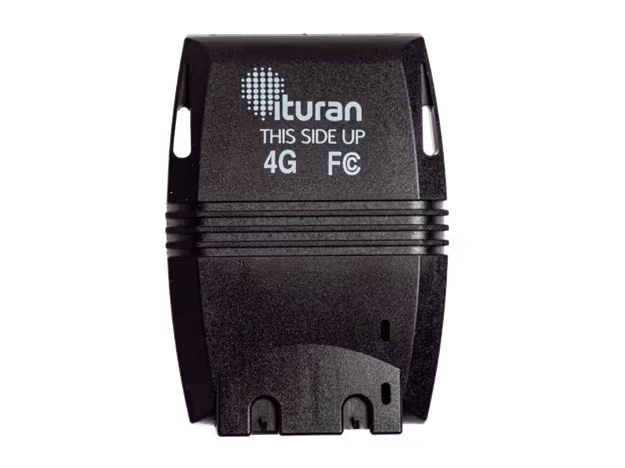
Payment Reminder (optional)
Parking Behavior Report
Accident Notification
Tow Alert
Impound Lots Monitor
Mileage Tracking
Special Relays for Faster Installation
Backup Battery
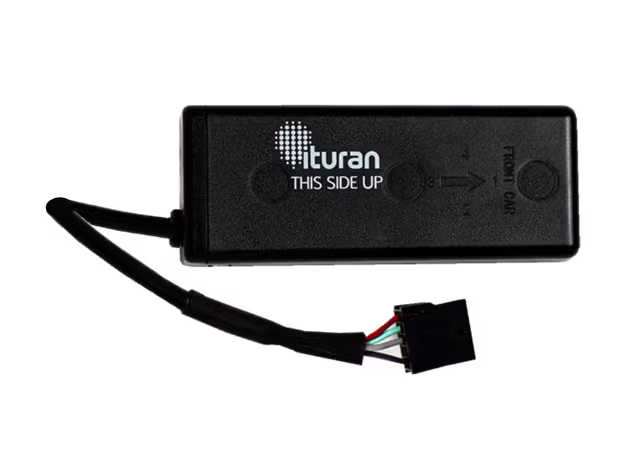
Accident Notification
Tow Alert
Impound Lots Monitor
Mileage Tracking
OBD Installation (optional)
Backup Battery
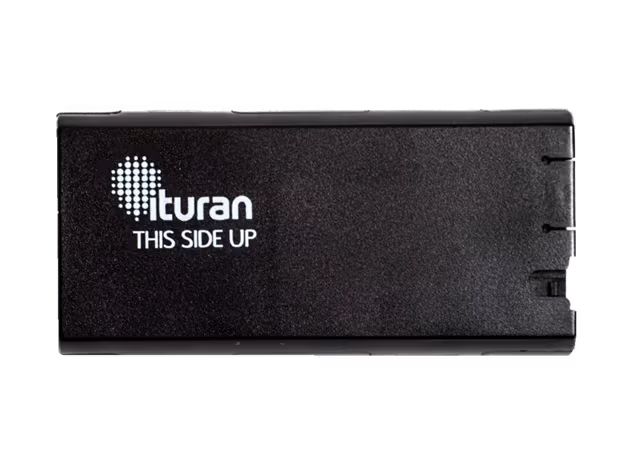
Cost Effective Device
Flexible Tracking Intervals
3 Year Battery Life
While the main function of a GPS device is to protect the lender's asset, it also offers tangible benefits to you, the vehicle owner. The most significant advantage is its role as a powerful vehicle recovery tracking system in the unfortunate event of theft. A GPS tracker can provide law enforcement with the real-time location of your stolen car, dramatically increasing the chances of a swift recovery. This brings invaluable peace of mind, knowing your investment is protected by an advanced layer of security around the clock.


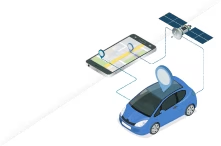


A Deeper Look into GPS Tracking for Auto Loans
The use of GPS technology in the automotive world has expanded far beyond simple navigation. For auto finance companies and dealerships offering in-house financing, GPS devices have become a critical tool for risk management and asset protection. When a vehicle is financed, it remains the legal property of the lender until the loan is paid in full. The vehicle itself is the collateral securing the loan. A GPS device allows the lender to monitor the location of this valuable asset, which is particularly important in the subprime auto lending market. By reducing the risk associated with potential loan defaults or vehicle theft, lenders may be able to provide financing to individuals who might otherwise find it difficult to get approved. This practice is a standard component of many auto financing agreements.
The technology itself is straightforward. A small, discreet device is installed in the vehicle. This unit contains a GPS receiver to pinpoint its location and a cellular transmitter to communicate that information back to a central server. This allows the finance company to view the vehicle's location on a secure, web-based platform. This is not about constant surveillance of your daily routine; it is about asset management. Lenders are primarily concerned with the vehicle's location in specific circumstances, such as a loan default or a reported theft.
Benefits for the Vehicle Owner
Although installed at the lender's request, the presence of a GPS tracker provides several direct advantages for the driver. These features add value and security that go well beyond the financing term.
- Stolen Vehicle Recovery: This is the most compelling benefit. If your car is stolen, you can report it to the police and notify the finance company. They can use the GPS data to provide authorities with the vehicle's exact, real-time location, significantly improving the odds of a quick and safe recovery. This feature alone can save you from the immense financial loss and stress of a stolen vehicle.
- Potential Insurance Discounts: Many insurance providers offer discounts for vehicles equipped with anti-theft devices. A professionally installed GPS tracking system is often considered an active recovery tool, which could lead to lower annual premiums. It is worth checking with your insurance agent to see if you qualify.
- Peace of Mind: Simply knowing that your vehicle is equipped with a recovery system can provide a sense of security. Whether you are parked in an unfamiliar area or leaving your car for an extended period, you have an extra layer of protection against theft.
- Emergency Location Services: In the event of an accident or breakdown where you are unsure of your location, the GPS data can be used to help emergency services or roadside assistance find you more quickly.
How Lenders Use GPS Technology
From the lender's perspective, GPS for auto loan collateral is a fundamental component of modern portfolio management. It is a data-driven approach to minimizing financial loss.
Collateral Recovery: In a scenario where a borrower defaults on their loan and is non-communicative, the lender may need to repossess the vehicle to recoup their investment. The GPS tracker simplifies this process immensely, making it faster, safer, and more efficient for recovery agents. This efficiency can reduce costs associated with repossession, which is beneficial for the entire financing ecosystem.
Risk Mitigation: The ability to locate a vehicle at any time drastically reduces the risk of a total loss due to theft or a borrower absconding with the vehicle. This reduction in risk is a key reason why many Buy Here Pay Here (BHPH) and subprime lenders can offer financing to people with challenging credit histories. The technology provides a safety net that traditional lending metrics do not.
Advanced Features: Some GPS systems include additional features for lenders, such as starter interrupt technology. This feature allows a lender to remotely prevent a vehicle from starting in specific cases of serious loan delinquency, as outlined in the loan agreement. This is typically used as a last resort to encourage communication from a borrower who has stopped making payments. The use of such features is always disclosed in the financing contract and is subject to state and federal regulations. For more information on how data is handled, please review our privacy policy.
Transparency and Your Agreement
The installation and use of a GPS tracking device on a financed vehicle is a fully disclosed part of the financing process. When you sign your loan documents, there will be a specific addendum or clause that explains the presence of the device, its purpose, and the conditions under which it will be used. It is crucial to read and understand this part of your agreement. Transparency is key, and a reputable dealership will be upfront about the use of these systems. If you have any questions about this policy or any other part of the financing process, we encourage you to contact us. Our team is here to provide clear and honest answers.
Frequently Asked Questions
Is it legal to put a GPS tracker on a financed car?
Yes, it is legal for a lender to install a GPS tracking device on a vehicle that they have a financial interest in. The vehicle serves as collateral for the loan, and the lender has a right to protect their asset. The use of the device must be disclosed to the borrower in the financing agreement they sign.
Will the GPS tracker drain my car battery?
Professionally installed, high-quality GPS tracking devices are designed to have a very low power draw. Many have a "sleep mode" that minimizes energy consumption when the vehicle is parked. Under normal circumstances, the device should have no noticeable impact on a healthy car battery.
Can I remove the GPS tracking device myself?
No, you should not attempt to remove or disable the GPS device while the vehicle is under the financing agreement. Doing so is typically a violation of your contract and could result in the immediate demand for the full loan balance or repossession of the vehicle. The device is the property of the finance company.
What happens to the tracker after my auto loan is paid off?
Once your loan is paid in full and you receive the title to the vehicle, the tracking device can be handled in a few ways. Some lenders will have the device professionally removed, while others may simply deactivate it remotely, leaving the dormant hardware in place. You should clarify the specific process with the lender upon completion of your loan.
Does a vehicle GPS tracker record audio or conversations?
No. The GPS devices used for auto loan collateral tracking are designed solely to report location data. They do not have microphones and are not capable of recording or transmitting any audio from inside the vehicle. Their purpose is strictly for location monitoring and asset recovery.
Helpful Links
- Learn more about us and our commitment to our customers.
- Understand our simple process by visiting our how it works page.
- Explore our full range of our services designed to help you drive.
- Return to our home page to view our inventory.