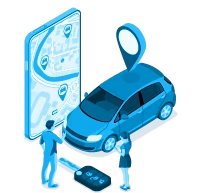
When you explore financing options directly through a dealership, you may find that some vehicles are equipped with a GPS tracking device. This technology is a standard tool in the automotive finance industry, particularly for in-house financing or Buy Here Pay Here (BHPH) programs. Its primary purpose is to help manage the lender's risk, which in turn can broaden the financing opportunities available to a wider range of customers, including those with challenging credit histories. By securing the vehicle asset, dealerships can offer more flexible lending terms. These systems provide real-time location data and other functionalities that are essential for asset management and recovery. Understanding how and why this technology is used is the first step toward a transparent and confident vehicle purchase. It is a key component that helps make vehicle ownership possible for many individuals who might otherwise find it difficult to secure a traditional auto loan.
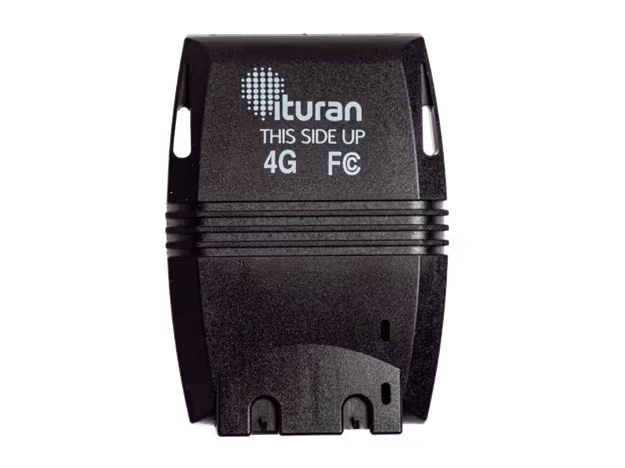
Payment Reminder (optional)
Parking Behavior Report
Accident Notification
Tow Alert
Impound Lots Monitor
Mileage Tracking
Special Relays for Faster Installation
Backup Battery
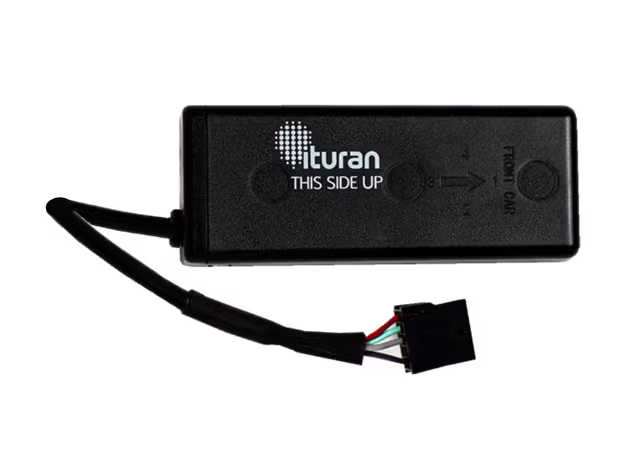
Accident Notification
Tow Alert
Impound Lots Monitor
Mileage Tracking
OBD Installation (optional)
Backup Battery
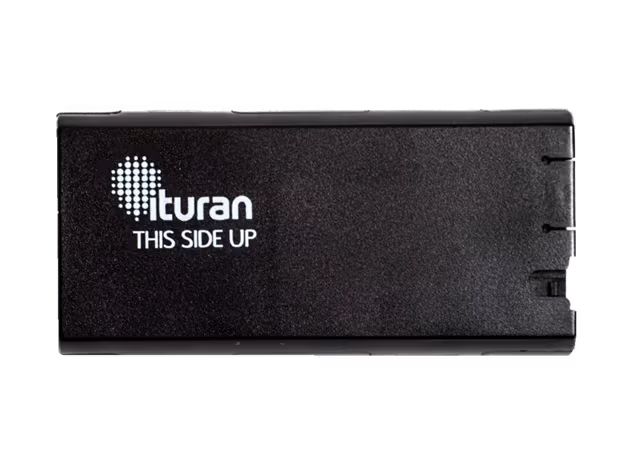
Cost Effective Device
Flexible Tracking Intervals
3 Year Battery Life
Beyond loan security, automotive GPS tracking systems offer valuable benefits for vehicle owners. One of the most significant advantages is the enhanced potential for stolen vehicle recovery. If your car is ever stolen, the GPS device can pinpoint its exact location in real-time, dramatically increasing the chances of a quick and successful recovery by law enforcement. This provides peace of mind and an added layer of security for your investment. It is a modern solution that protects both the lender's collateral and the owner's valuable property throughout the duration of the loan.



A Comprehensive Guide to GPS Tracking on Financed Vehicles
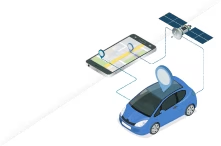
Navigating the world of auto finance can feel complex, and the inclusion of technology like GPS tracking can bring up many questions. At its core, a GPS tracking device for vehicles is a small piece of hardware professionally installed in a car. This unit uses the Global Positioning System to determine and track its precise location. It then transmits this data, along with other vehicle information, via a cellular network to a secure software platform. This allows the dealership or finance company to monitor the location of the vehicle, which serves as the collateral for the loan.
This practice is especially common for dealerships that offer in-house financing, often known as Buy Here Pay Here (BHPH) dealerships. Because these lenders often work with customers who may not qualify for traditional bank loans due to past credit issues, the risk involved is higher. GPS technology serves as a crucial tool for risk mitigation. By having a reliable way to locate the vehicle, the lender can more confidently extend financing. This creates a pathway to vehicle ownership for many deserving individuals. For more details on what you need to begin this process, see our How It Works page.
Key Features of Dealer GPS Tracking Solutions
Modern dealership GPS tracking systems are more than just simple locators. They come equipped with a range of features designed to protect the asset and streamline the loan management process. Understanding these features provides a clearer picture of their purpose and functionality.
- Real-Time Location Tracking: This is the fundamental feature, providing the ability to see the vehicle's current location on a map at any given time. This is invaluable for asset recovery if a loan goes into default or if the vehicle is stolen.
- Starter Interrupt Technology: Some devices include a starter interrupt or starter disable feature. This allows the lender to remotely prevent the vehicle's engine from starting. It is typically used only in cases of serious loan delinquency after multiple communication attempts have failed, and its use is governed by state and local regulations.
- Payment Reminders: Certain advanced systems can be programmed to provide in-vehicle alerts, such as a subtle audible chime, when a payment due date is approaching. These serve as a helpful, non-intrusive reminder to help customers stay on track with their payments.
- Geofencing: This feature allows the lender to set up virtual boundaries on a map. If the vehicle enters or exits a predefined area (a geofence), an automatic alert is triggered. This can be used to receive notifications if a vehicle is taken out of state or enters an impound lot.
- Stolen Vehicle Recovery Assistance: As a direct benefit to the owner, the GPS device is a powerful anti-theft tool. The ability to provide law enforcement with real-time location data significantly increases the likelihood of recovering a stolen vehicle quickly, often with minimal damage.
Transparency and Your Privacy
We believe in complete transparency. The use of a GPS tracking device is always fully disclosed to the customer before the finalization of any sales and financing agreement. The terms of its use are clearly outlined in the contract you sign. We are committed to protecting your personal information and using this technology responsibly and ethically. Our data handling practices are detailed in our Privacy Policy, which we encourage you to review.
The purpose of these devices is strictly for loan servicing and asset protection. They are a tool that helps us provide financing solutions to a broader community. If you are ready to see what financing options may be available to you, we invite you to get pre-approved through our secure online application. Our team is here to answer any questions you may have about the process, the vehicles, or the technology we use. We are dedicated to building a relationship based on trust and mutual understanding. You can learn more about our commitment to our customers by visiting our About Us page.
Frequently Asked Questions
Is it legal for a dealership to put a GPS tracker on a financed car?
Yes, it is legal in most states for a lender to install a GPS tracking device on a vehicle that is being used as collateral for a loan. The key requirement is that the borrower must be informed of the device's presence and consent to its use as a condition of the loan. This disclosure is always included in the financing agreement.
Will the GPS device drain my car's battery?
The professional-grade GPS devices used are designed to be extremely low-power. When the vehicle is running, the device draws a negligible amount of power from the alternator. When the vehicle is off, it enters a deep sleep mode, drawing a minimal current from the battery, which is not enough to cause battery drain under normal circumstances.
What happens if I am late on a payment?
If you anticipate being late on a payment, the most important step is to contact our financing department immediately. We understand that unexpected situations arise and are often able to work with customers who communicate with us proactively. Features like starter interrupt are typically a last resort used for accounts that are severely delinquent and where communication has broken down.
Can I remove the GPS tracking device from my vehicle?
No. The GPS tracking device is a condition of the financing agreement and is considered part of the lender's collateral protection system. Attempting to tamper with or remove the device is a violation of your contract and could lead to immediate default on your loan. Once the loan is paid in full, you can have the device professionally removed or deactivated.
Who has access to my vehicle's location data?
Access to location data is strictly limited to authorized personnel within the dealership's loan servicing or asset management department. This information is used for legitimate business purposes related to managing the loan, such as locating a vehicle for repossession in case of default or assisting law enforcement with stolen vehicle recovery. Your privacy is protected, and data is not shared with third parties for marketing or other unrelated purposes.