
In the competitive pest control industry, efficiency and reliability are paramount. Managing a fleet of service vehicles presents unique challenges, from optimizing daily routes to confirming service completion and managing operational costs. Implementing a robust fleet GPS tracking system provides the visibility and control needed to overcome these obstacles. By leveraging real-time location data, you can streamline dispatching, reduce fuel consumption by eliminating inefficient routing, and monitor vehicle activity to promote driver accountability. This technology transforms your fleet from a significant expense into a fine-tuned asset, directly contributing to improved profitability and a stronger reputation for dependable service. Advanced telematics solutions empower you to make data-driven decisions that enhance every aspect of your mobile operations, giving you a distinct advantage in a crowded market and improving your bottom line.
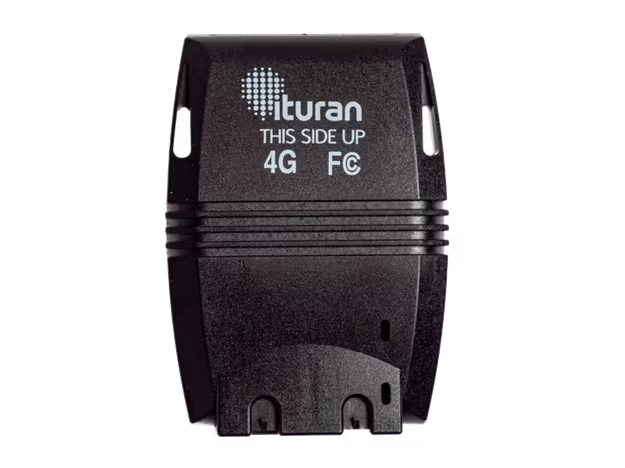
Payment Reminder (optional)
Parking Behavior Report
Accident Notification
Tow Alert
Impound Lots Monitor
Mileage Tracking
Special Relays for Faster Installation
Backup Battery
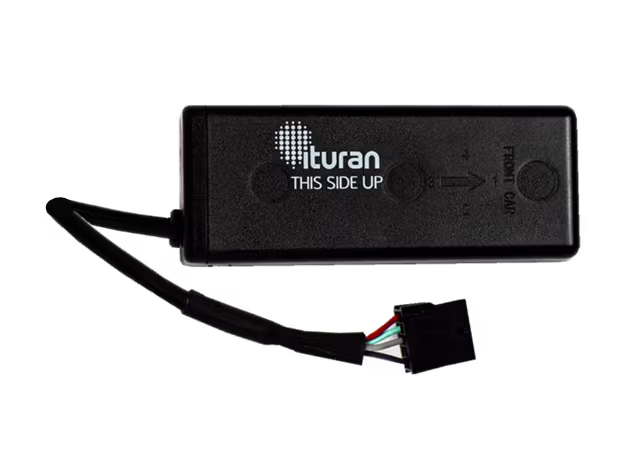
Accident Notification
Tow Alert
Impound Lots Monitor
Mileage Tracking
OBD Installation (optional)
Backup Battery
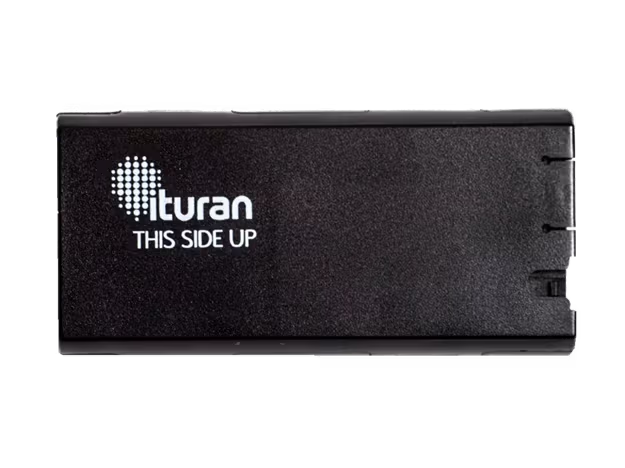
Cost Effective Device
Flexible Tracking Intervals
3 Year Battery Life
Adopting a modern GPS vehicle monitoring system is more than just knowing where your trucks are; it is about elevating your customer service to a new level. With precise location tracking, you can provide clients with accurate arrival times, reducing uncertainty and increasing satisfaction. Furthermore, detailed trip histories serve as verifiable proof of service, building trust and resolving potential disputes quickly. This level of transparency and professionalism helps differentiate your business, fostering client loyalty and generating positive word-of-mouth referrals in your community.



Unlock Peak Performance for Your Pest Control Business
For a pest control company, your fleet is the lifeblood of your operation. Every vehicle and technician represents a mobile office and a direct point of contact with your customers. The efficiency with which you manage these mobile assets directly impacts your service quality, operational costs, and overall profitability. Without a clear view of your fleet's daily activities, you are likely facing unnecessary fuel expenses, extended vehicle downtime, and challenges in coordinating responses to urgent service calls. GPS tracking for service fleets delivers the critical insights needed to transition from reactive management to proactive, strategic control over your entire operation.
This technology provides a comprehensive suite of tools designed specifically for the needs of businesses like yours. From intelligent route planning that accounts for traffic and job proximity to detailed reports on driver behavior, a telematics solution offers a 360-degree view of your field activities. By harnessing this data, you can identify areas for improvement, implement safer driving policies, and automate routine tasks like maintenance scheduling. The result is a more productive, safer, and cost-effective fleet that is better equipped to meet and exceed customer expectations.
Enhance Route Optimization and Dispatching Efficiency
One of the most immediate benefits of implementing a fleet management GPS tracking system is the ability to revolutionize your routing and dispatching processes. Manual route planning is often inefficient, leading to wasted time, excessive mileage, and increased fuel consumption. GPS software analyzes job locations and suggests the most logical and efficient sequence for your technicians' daily stops. This reduces drive time between appointments, allowing your team to complete more jobs each day.
Furthermore, real-time tracking empowers your dispatchers to be more agile and responsive. When an emergency call comes in, the dispatcher can instantly see which technician is closest to the location and has availability in their schedule. This capability to dynamically assign jobs means faster response times for your customers, a critical factor in the pest control industry where urgent needs are common. This level of operational agility not only improves customer satisfaction but also maximizes the productivity of every vehicle in your fleet.
Promote Driver Safety and Accountability
The safety of your employees and the public is a top priority. A company's reputation and financial stability can be significantly impacted by driver behavior. Our driver behavior monitoring solutions provide detailed insights into how your company vehicles are being operated. You can track key safety metrics such as speeding, harsh braking, rapid acceleration, and excessive idling.
Receiving alerts for unsafe driving habits allows you to address these issues proactively with coaching and training. Fostering a culture of safety can lead to fewer accidents, reduced vehicle wear and tear, and potentially lower insurance premiums. Moreover, knowing that their performance is being monitored often encourages drivers to operate their vehicles more responsibly, protecting your brand's image every time they are on the road. Detailed reports provide a clear basis for performance reviews and incentive programs that reward safe driving.
Streamline Vehicle Maintenance and Reduce Downtime
Unexpected vehicle breakdowns are costly, not just in terms of repairs but also in lost revenue and scheduling chaos. A GPS tracking system helps you move to a proactive maintenance model. The system can track mileage and engine hours automatically, triggering alerts when a vehicle is due for routine service like an oil change or tire rotation. Some advanced fleet telematics solutions can even report on diagnostic trouble codes (DTCs), alerting you to potential engine issues before they escalate into major failures.
This automated approach to maintenance scheduling ensures your vehicles remain in optimal condition, extending their lifespan and improving their reliability. By minimizing unexpected downtime, you can keep your technicians on the road serving customers, avoiding the disruption and expense of a vehicle being out of commission.
Key Features of a Modern Fleet Tracking System
When selecting a GPS solution for your pest control fleet, look for a platform that offers a comprehensive set of tools to address all your operational needs. The right system integrates seamlessly into your workflow and provides actionable data. For more information on our specific product offerings, please review our our services page or contact us directly for a consultation.
- Real-Time Vehicle Location Tracking
- Detailed Trip History and Route Replay
- Driver Behavior Monitoring and Safety Scorecards
- Customizable Geofence and Landmark Alerts
- Automated Maintenance Scheduling and Reminders
- Extensive Reporting on Fuel, Idling, and Utilization
- Mobile App Access for On-the-Go Fleet Management
- Asset Protection with Theft Alerts and Recovery Support
How does GPS tracking help reduce fuel costs for a pest control fleet?
GPS tracking systems reduce fuel costs in several ways. They provide optimized routing to find the shortest and most efficient paths between jobs, cutting down on unnecessary mileage. They also monitor and report on excessive idling, a major source of fuel waste. Finally, by monitoring for aggressive driving behaviors like speeding and rapid acceleration, the system encourages more fuel-efficient driving habits across your entire fleet.
Can GPS tracking improve our response time to urgent customer calls?
Absolutely. With real-time location data, your dispatcher can see the exact position of every technician at a glance. When an emergency service request comes in, they can immediately identify and dispatch the closest available employee. This eliminates guesswork and significantly shortens your response time, which is a major factor in customer satisfaction for urgent pest issues.
What is geofencing and how is it useful for a pest control business?
Geofencing allows you to create virtual boundaries around specific locations, such as a customer's property, your main office, or a supply house. The system can then automatically send you an alert when a vehicle enters or exits one of these zones. This is useful for automating timesheets, confirming that a technician arrived at a job site, and receiving notifications if a vehicle is used outside of business hours or designated service areas.
Is it difficult to install GPS tracking devices in our vehicles?
Installation is typically a straightforward process. Many modern GPS tracking devices are designed for simple plug-and-play installation into the vehicle's OBD-II port, which requires no special tools and takes only a few moments. For more covert or feature-rich installations, such as those with starter-interrupt capabilities, a simple hardwired installation by a technician may be recommended, but it is generally a quick and non-invasive procedure.
Can we monitor driver behavior like speeding or excessive idling?
Yes, monitoring driver behavior is a core feature of most modern fleet management systems. You can set thresholds for actions like speeding, harsh braking, and rapid acceleration. When a driver exceeds these limits, an alert can be sent to management in real time. The system also compiles this data into reports and driver scorecards, allowing you to identify trends, address risky habits, and promote a safer driving culture within your team.