Navigating the world of auto financing can feel challenging, especially if your credit history has a few bumps. At our dealership, we believe everyone deserves a reliable vehicle, and we work hard to find financing solutions for various credit situations. One tool that helps make this possible is the use of GPS tracking technology for subprime auto loans. While it might sound technical, its purpose is straightforward: it helps lenders mitigate risk. By securing the vehicle as collateral, lenders are often more willing to extend financing opportunities to individuals who might have been turned down by traditional banks. This technology can be a key that unlocks the door to vehicle ownership, allowing you to get the car you need while you work on building a positive payment history. It is a common and effective practice in the industry that serves both the lender and the borrower.
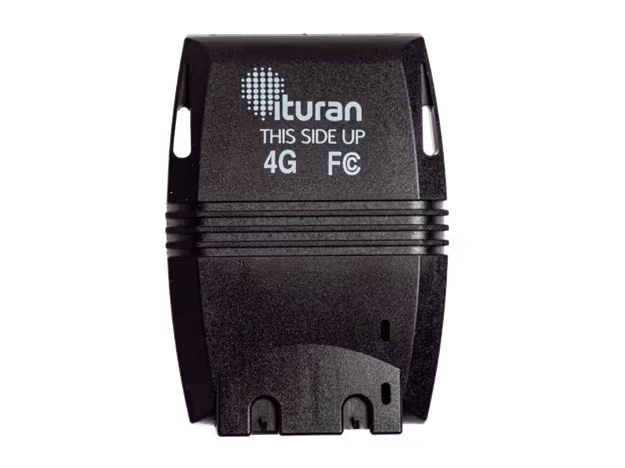
Payment Reminder (optional)
Parking Behavior Report
Accident Notification
Tow Alert
Impound Lots Monitor
Mileage Tracking
Special Relays for Faster Installation
Backup Battery
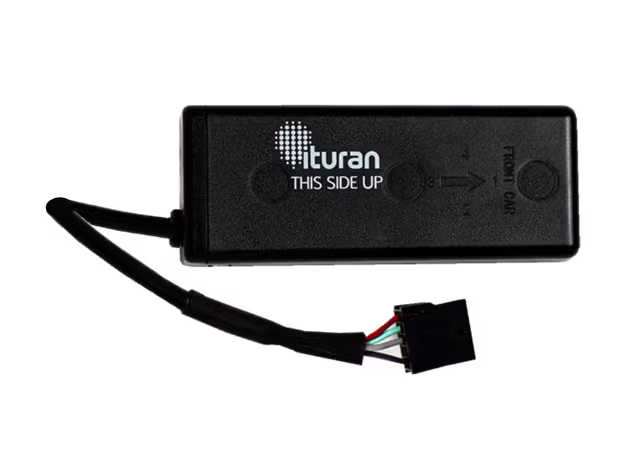
Accident Notification
Tow Alert
Impound Lots Monitor
Mileage Tracking
OBD Installation (optional)
Backup Battery
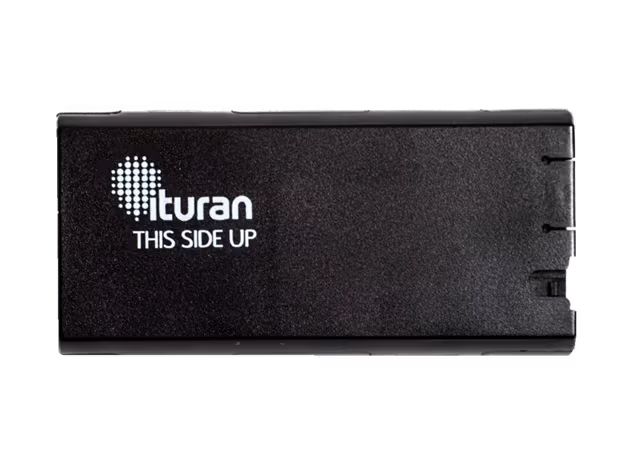
Cost Effective Device
Flexible Tracking Intervals
3 Year Battery Life
Ultimately, the use of a GPS tracking device is about creating possibilities. For lenders, it provides a layer of security for the asset they are financing. For you, the buyer, this increased security for the lender can translate into a greater likelihood of approval for your auto loan. It is a system that allows us to say "yes" more often, helping hard-working people with less-than-perfect credit get behind the wheel and on the road to their next destination and a better financial future.



A Deeper Look into GPS Technology in Automotive Financing
When you are exploring financing for a used car, particularly with a credit history that is still developing or recovering, you may encounter the term 'subprime auto loan'. These are loans designed for buyers whose credit scores may not meet the strict criteria of conventional lenders. To make these loans possible, dealerships and finance companies often use tools to manage the higher risk involved. One of the most common and effective tools is a vehicle GPS tracking device. Understanding how and why these devices are used can demystify the process and show you how it can actually be a beneficial part of your car-buying journey.
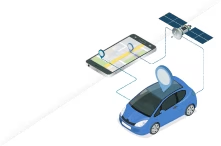
A GPS tracker installed in a financed vehicle is a small electronic device that uses the Global Positioning System to determine and track its precise location. It is important to distinguish this from the navigation system on your dashboard or phone; its purpose is not for directions but for asset management. For a lender providing a subprime auto loan, the vehicle itself is the collateral. The GPS device acts as a security measure, allowing the lender to locate the vehicle if the loan agreement is broken and communication ceases. This ability to recover the asset significantly reduces the financial risk for the lender, which in turn broadens the range of credit profiles they can approve for a loan.
How Does GPS Tracking Benefit You as a Borrower?
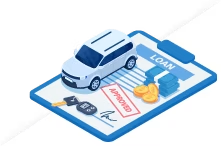
While it is clear how GPS tracking for financed cars benefits the lender, the advantages for the borrower are just as significant, though perhaps less obvious. The primary benefit is access to financing. Many buyers with subprime credit find it very difficult to secure a loan from traditional banks or credit unions. By using GPS technology to mitigate their risk, specialty lenders and Buy Here Pay Here (BHPH) dealerships can approve a wider array of applications. This opens up the possibility of owning a necessary vehicle for commuting to work, running errands, and managing family life.
Beyond just getting approved, making consistent, on-time payments on your auto loan is one of the best ways to rebuild your credit. A successful auto loan is a powerful positive mark on your credit report. By providing a path to financing, GPS technology indirectly gives you the opportunity to improve your credit score over time. Furthermore, many modern GPS systems come with valuable features for the owner. Stolen vehicle recovery is a major plus. If your car is ever stolen, the tracking device can pinpoint its location for law enforcement, dramatically increasing the chances of a quick recovery. You can learn more about our commitment to customers by visiting our about us page.
Common Features and Functions
Dealership GPS systems are more than just simple locators. They often come equipped with a range of features designed to protect the asset and facilitate communication. Understanding these features can help you feel more comfortable with the technology.
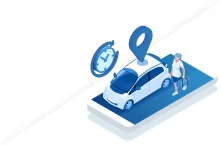
- Real-Time Location Tracking: The core function allows the lender to see the vehicle's location on a map in real-time or near-real-time. This is primarily used for asset recovery in cases of loan default.
- Payment Reminders: Some devices are capable of emitting a gentle audio alert inside the vehicle a day or two before a payment is due. This is a helpful, non-intrusive reminder to help you stay on track with your payments.
- Starter-Interrupt Technology: In situations of serious delinquency where a borrower has stopped making payments and is not communicating with the lender, some devices allow for the vehicle's starter to be remotely disabled. The engine cannot be started until the payment issue is resolved. It is important to note that this technology does not shut off a running vehicle; it only prevents it from starting. This is typically a last-resort measure used according to the terms of the loan agreement.
- Geofencing: This feature allows a lender to set up virtual boundaries. If the vehicle crosses these boundaries, such as state or national borders, the system can send an automatic alert. This helps prevent the unauthorized transport of the vehicle.
Transparency and Your Privacy
We understand that the presence of a tracking device may raise questions about privacy. We are committed to transparency in our financing process. The use of any GPS device is fully disclosed in your financing agreement. The data collected is used strictly for the purposes of managing the loan and protecting the collateral as permitted by law. It is not used for monitoring your daily driving habits or personal life. We take data security seriously, and you can read more about our policies on our privacy policy page. The goal is not to be intrusive, but to create a secure lending environment that makes vehicle ownership accessible to more members of our community. If you are ready to see what options may be available to you, we encourage you to get pre-approved online today.
Frequently Asked Questions About GPS Tracking
Is a GPS tracker always required for a subprime auto loan?
Not always, but it is a very common tool used by lenders in the subprime financing space. The requirement for a GPS device depends on the lender's policies and their assessment of the overall risk of the loan, which includes factors like credit history, down payment amount, and the vehicle's value. Using a tracker often allows lenders to approve applications they might otherwise have to deny.
Who pays for the GPS tracking device and its installation?
Typically, the cost of the device and its installation is factored into the overall cost of the loan. This is fully disclosed during the financing process, so there are no hidden fees. The cost is part of the structure that makes the financing possible, similar to other loan origination fees.
Can I see the location of my own car using the tracker?
In most cases, the GPS platform is accessible only by the lender or dealership for the purposes of managing the loan. However, some newer systems are starting to offer consumer-facing apps that may provide features like location tracking for personal use or stolen vehicle recovery assistance. You should ask your finance manager if this is an option with the specific device used for your loan.
What happens to the GPS device after I pay off my loan?
Once your loan is paid in full, you own the vehicle outright. At that point, the lender no longer has a security interest in the asset. Depending on the lender's policy and the type of device installed, it will either be remotely deactivated permanently or you can have it professionally removed from the vehicle.
Does the GPS tracker affect my car's battery or performance?
Professionally installed GPS tracking devices are designed to have a minimal impact on the vehicle. They draw a very small amount of power from the car's battery, similar to the clock or radio's memory function. This draw is generally not enough to drain a healthy battery, even if the car is parked for an extended period. The device does not interfere with the vehicle's engine performance or onboard computer systems.