Navigating the world of vehicle GPS tracking companies can seem complex, but finding the right partner is crucial for protecting your assets and optimizing operations. Whether you are a business owner managing a fleet, a car dealership safeguarding your inventory, or an individual focused on family safety, the ideal GPS provider offers a blend of reliable hardware, intuitive software, and responsive support. Top-tier companies provide more than just location data; they deliver powerful insights through features like real-time alerts, detailed trip histories, and driver behavior monitoring. Understanding the key differences between providers helps you select a solution that aligns perfectly with your specific goals, from enhancing fleet productivity and reducing operational costs to securing your personal vehicle against theft. Making an informed choice starts with knowing what features matter most to you and finding a company that excels in delivering them.
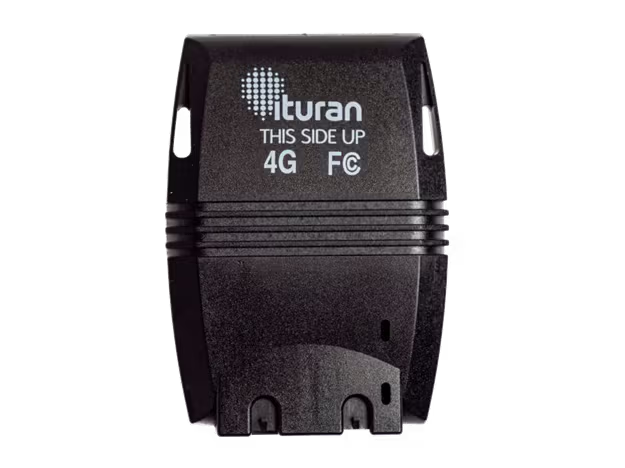
Payment Reminder (optional)
Parking Behavior Report
Accident Notification
Tow Alert
Impound Lots Monitor
Mileage Tracking
Special Relays for Faster Installation
Backup Battery
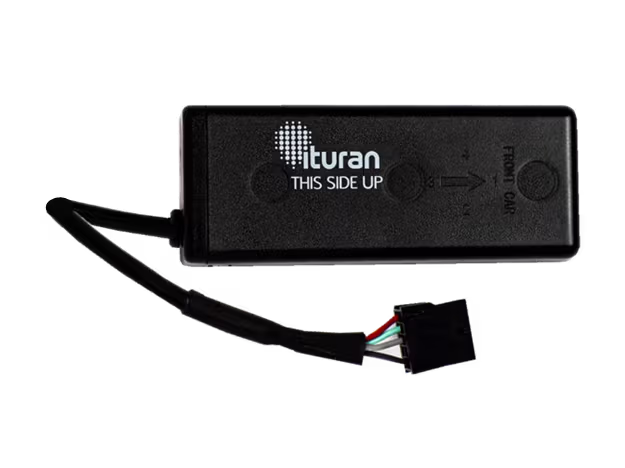
Accident Notification
Tow Alert
Impound Lots Monitor
Mileage Tracking
OBD Installation (optional)
Backup Battery
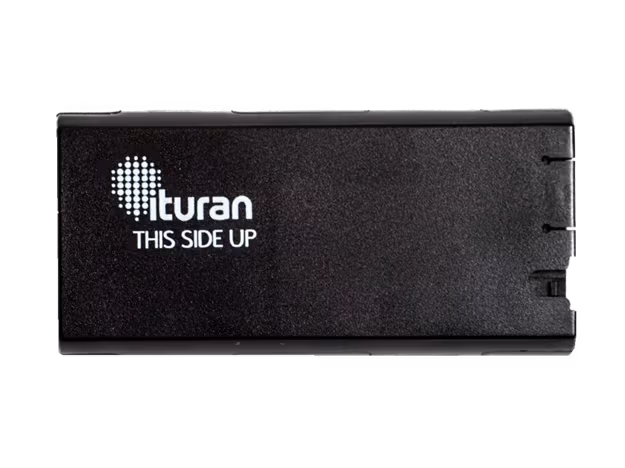
Cost Effective Device
Flexible Tracking Intervals
3 Year Battery Life
The best vehicle GPS tracking companies offer a diverse range of solutions tailored to unique demands. For commercial fleets, this might mean advanced fleet telematics solutions and reporting, while dealerships often prioritize collateral protection features. For personal use, the focus is typically on security and peace of mind. As you explore your options, consider factors like the company's industry experience, the scalability of their platform, and the quality of their customer service. Your investment should provide long-term value and adapt as your needs evolve.
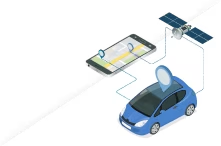


A Comprehensive Guide to Selecting Top Vehicle GPS Tracking Providers
Choosing a GPS tracking partner is a significant decision that impacts security, efficiency, and profitability. The market is filled with options, each claiming to be the best. To cut through the noise, it is essential to focus on the core functionalities that will deliver the most value for your specific application. A one-size-fits-all approach rarely works. A plumbing company with a fleet of ten vans has different requirements than a large logistics firm or a Buy Here Pay Here dealership managing its loan portfolio. The first step is to clearly define your objectives. Are you trying to reduce fuel costs, improve driver safety, protect against theft, or manage loan collateral? Your primary goals will dictate which features are non-negotiable and which are simply nice to have.
Once you have defined your goals, you can begin evaluating potential vehicle GPS tracking providers based on a consistent set of criteria. Look beyond the initial marketing claims and delve into the specifics of their technology, service, and pricing structures. A reliable company will be transparent about its offerings and provide clear documentation and support to help you get the most out of their system.
Essential Features Offered by Leading GPS Tracking Companies
When comparing providers, certain key features stand out as indicators of a high-quality service. These capabilities form the backbone of any effective vehicle monitoring system, providing the data and tools necessary for informed decision-making.
- Real-Time Location Tracking: The most fundamental feature is the ability to see your vehicle's exact location in real-time on a digital map. Look for platforms that offer high-frequency updates and a user-friendly fleet vehicle location dashboard that is accessible via web and mobile apps.
- Customizable Alerts and Notifications: A powerful system allows you to set up automated alerts for specific events. This includes geofence alerts for when a vehicle enters or exits a predefined area, speeding notifications, and after-hours movement warnings. These proactive notifications are critical for security and management.
- Driver Behavior Monitoring: For both commercial and personal use, monitoring driving habits is essential for safety. Top companies provide data on harsh braking, rapid acceleration, and excessive speeding. This information is often compiled into fleet driver scorecards to encourage safer driving.
- Comprehensive Reporting and Analytics: Data is only useful if it is easy to understand. Leading providers offer robust fleet management reporting tools that summarize trip histories, idle times, mileage, and maintenance schedules. These analytics help identify trends and areas for operational improvement.
- Reliable Hardware and Software: The physical GPS device must be durable and dependable. Likewise, the software platform should be intuitive, stable, and secure. Inquire about device warranties, data security protocols, and software uptime.
Specialized GPS Solutions for Businesses and Commercial Fleets
For businesses that rely on vehicles, a robust fleet GPS tracking system is an indispensable tool for managing operations. Companies in logistics, field services, construction, and delivery can achieve significant cost savings and productivity gains. Effective fleet management goes beyond simple location tracking. It involves optimizing routes to save fuel and time, improving dispatching efficiency, and ensuring timely vehicle maintenance. For instance, receiving fleet preventive maintenance alerts based on mileage or engine hours helps prevent costly breakdowns and extend vehicle life. Furthermore, tracking idle time helps reduce fuel waste, a major operational expense. By leveraging detailed data, fleet managers can make strategic decisions that boost their bottom line and enhance customer satisfaction through more reliable service.
Critical GPS Tracking Tools for Auto Dealerships and Finance Companies
Automotive dealerships, particularly those involved in Buy Here Pay Here (BHPH) or subprime financing, face unique risks. GPS tracking is an essential tool for mitigating these risks and protecting valuable assets. For these businesses, GPS tracking for BHPH dealers is a cornerstone of collateral management. Devices with features like starter interrupt give lenders a reliable method for encouraging on-time payments. In the event of a default, the GPS provides precise location data, making vehicle recovery faster and more efficient. Beyond collections, dealerships use GPS for lot management, tracking inventory movement, and securing vehicles during test drives. Choosing one of the best BHPH GPS tracking companies provides the specialized platform and support needed to manage a finance portfolio effectively.
Personal Vehicle Tracking for Family Safety and Security
GPS tracking is not just for businesses. An increasing number of families are using this technology for peace of mind and enhanced security. A personal vehicle GPS tracking system is an invaluable tool for parents of teen drivers, allowing them to monitor speed and location to encourage safe driving habits. It also provides a powerful layer of anti-theft protection. In the unfortunate event a car is stolen, a GPS tracker dramatically increases the chances of a swift recovery. Features like geofencing can alert you if a vehicle is moved from your home or office without authorization. Modern systems offer easy-to-use mobile apps that put real-time location and security alerts right at your fingertips, offering reassurance that your family members and valuable assets are safe.
What is the main difference between GPS tracking for fleets and personal cars?
Fleet GPS tracking systems are designed for commercial use and focus on operational efficiency, driver management, and comprehensive reporting across multiple vehicles. They often include features like driver scorecards, dispatching tools, and maintenance scheduling. Personal car tracking systems prioritize safety and security, with features like stolen vehicle recovery, teen driver monitoring, and location sharing among family members.
How does a geofence alert work?
A geofence is a virtual boundary you create on a digital map. Geofencing software allows you to set up rules so that you receive an instant notification via text, email, or app push notification whenever a vehicle's GPS tracker crosses that boundary. This is useful for confirming a driver has arrived at a job site, knowing when a teen driver gets home, or being alerted to unauthorized vehicle movement from a dealership lot.
Are vehicle GPS tracking devices difficult to install?
Installation varies by device type. Some are simple plug-and-play units that connect to the vehicle's OBD-II port in seconds. Others are hardwired devices that connect directly to the vehicle's power source. While hardwired installation is more involved, it provides a more covert and permanent solution. Many GPS tracking companies offer professional installation services or detailed guides to assist you.
Can GPS tracking help lower my insurance costs?
Many insurance companies offer discounts for vehicles equipped with anti-theft devices, which includes GPS trackers. For commercial fleets, demonstrating the use of a driver behavior monitoring system to promote safer driving can also lead to potential reductions in insurance premiums. It is always a good idea to check directly with your insurance provider to see what discounts may be available.
What should I look for in the software or app from a GPS tracking company?
The software platform is where you will interact with your tracking data, so it should be user-friendly, reliable, and secure. Look for a clean interface, a responsive map, and easy access to reports and settings. A good provider will offer both a web-based dashboard for detailed analysis and a fully-featured mobile app for on-the-go monitoring and alerts. Check for positive user reviews on the app stores and ask for a live demo before committing.