
In today’s competitive auto finance landscape, managing risk and protecting assets are paramount. For auto lenders, credit unions, and Buy Here Pay Here (BHPH) dealerships, each vehicle in your portfolio represents a significant investment. Proactively managing that collateral is the key to maintaining profitability and reducing losses associated with delinquencies and defaults. Utilizing advanced vehicle location data provides a powerful solution, offering real-time insights into your assets' whereabouts. This technology transforms risk management from a reactive process into a proactive strategy. By integrating sophisticated automotive GPS tracking systems, you gain the visibility needed to secure your collateral, streamline collections, and simplify the asset recovery process when necessary. This empowers your business to lend with greater confidence, knowing your investments are being monitored effectively. Our solutions are designed to support your operational needs and enhance the overall health of your loan portfolio.
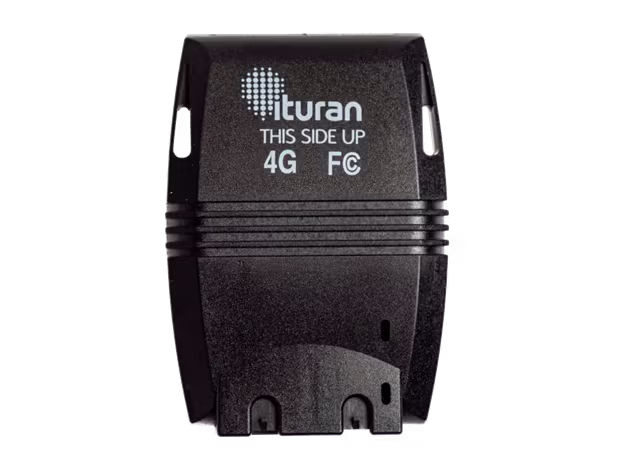
Payment Reminder (optional)
Parking Behavior Report
Accident Notification
Tow Alert
Impound Lots Monitor
Mileage Tracking
Special Relays for Faster Installation
Backup Battery
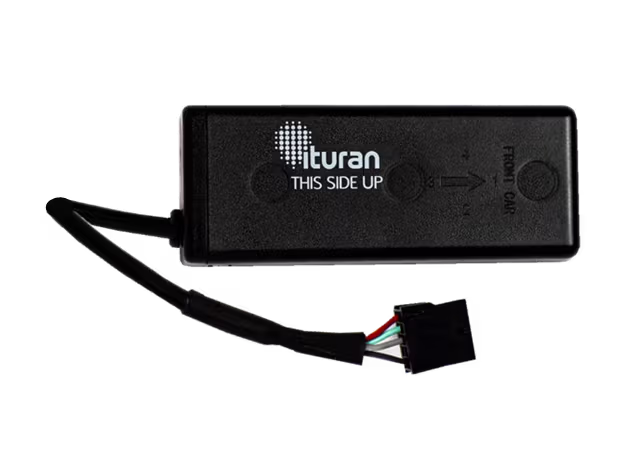
Accident Notification
Tow Alert
Impound Lots Monitor
Mileage Tracking
OBD Installation (optional)
Backup Battery
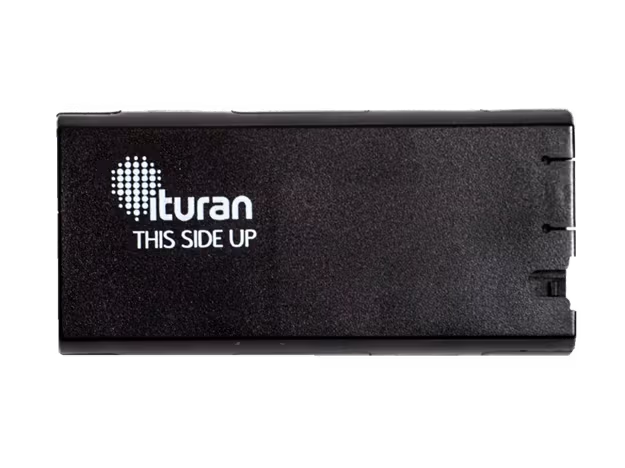
Cost Effective Device
Flexible Tracking Intervals
3 Year Battery Life
Embracing GPS tracking technology is more than just a security measure; it is a strategic business decision that enhances operational efficiency. Our robust vehicle tracking software providers offer a user-friendly platform that puts comprehensive data at your fingertips. From setting up geofence alerts for impound lots to leveraging payment reminder features, our systems are built to support every stage of the loan lifecycle. This level of control and information helps you make smarter, data-driven decisions that can directly impact your bottom line.




Securing Your Portfolio with Automotive GPS Tracking for Lenders
The auto lending industry, particularly within the subprime and BHPH sectors, faces unique challenges. The inherent risk associated with financing vehicles for customers with varying credit histories requires robust tools for collateral management. When a loan becomes delinquent, the process of communicating with the customer and potentially recovering the vehicle can be costly and time-consuming. The primary challenge for lenders is the potential loss of the asset itself. A vehicle can be moved, hidden, or abandoned, making recovery efforts incredibly difficult. This is where GPS tracking for auto lenders becomes an indispensable tool, fundamentally changing how finance companies protect their investments.
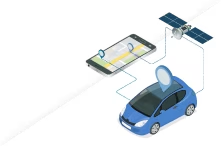
By equipping financed vehicles with a discreet, hardwired GPS tracking device, lenders gain a direct line of sight to their collateral 24/7. This technology operates by using a network of satellites to pinpoint a vehicle's exact location, which is then transmitted via a cellular network to a secure online platform. Lenders can access this platform from any computer or mobile device to view real-time location data, review trip histories, and manage their entire portfolio of tracked assets from a single dashboard. This immediate access to accurate location information is the foundation for a more secure and efficient lending operation.
Core Benefits of Vehicle Location Data for Auto Finance Companies
Integrating a lender GPS tracking system provides numerous advantages that extend beyond simple location monitoring. These benefits address the most critical pain points for auto lenders, helping to mitigate risk, improve cash flow, and protect the value of the portfolio.
- Effective Risk Mitigation: The single greatest benefit is the reduction of risk. Knowing the precise location of your collateral at all times acts as a powerful deterrent against loan skipping and unauthorized vehicle use. It provides peace of mind that your asset is traceable, no matter the payment status of the account.
- Streamlined Asset Recovery: In the unfortunate event that repossession becomes necessary, GPS data makes the process significantly faster, safer, and more affordable. Instead of spending valuable resources on skip tracing, recovery agents can be provided with the vehicle's exact location, leading to a successful recovery on the first attempt. Many BHPH vehicle recovery GPS systems can reduce recovery-related costs substantially.
- Improved Collection Processes: Certain GPS devices come equipped with features designed to aid in collections. Payment reminder alerts can be configured to emit a gentle chime inside the vehicle as a payment due date approaches. This non-intrusive reminder can help keep customers on track and reduce the number of late payments, improving your overall cash flow.
- Proactive Portfolio Management: A centralized GPS portfolio management platform provides a high-level view of all your assets. Advanced features like geofencing allow you to create virtual boundaries around specific areas, such as impound lots, repair shops, or state lines. If a vehicle enters or exits one of these zones, you receive an instant alert, enabling you to take immediate action to protect your collateral.
Key Features of a Modern GPS Tracking System for Lenders
When selecting a vehicle tracking solution for your lending institution, it is important to look for a comprehensive set of features tailored to the needs of the auto finance industry. The right platform can transform your approach to collateral management.
- Real-Time GPS Tracking: The ability to see your vehicle's location on a map in real-time is the cornerstone of any system. Look for platforms that offer frequent updates for maximum accuracy.
- Starter Interrupt Technology: A starter interrupt GPS device provides the ability to remotely prevent a vehicle from starting. This feature is a powerful tool for encouraging communication from delinquent customers and is instrumental in the recovery process, allowing an asset to be safely immobilized for pickup.
- Geofencing and Automated Alerts: Set up unlimited geofences and receive instant text or email alerts for important events. This includes notifications for impound lot entry, which can help you avoid costly fees and the potential loss of the vehicle at auction.
- Detailed Reporting and History: Access comprehensive reports, including trip histories, stop durations, and mileage. This data can be valuable for verifying customer information and understanding vehicle usage patterns.
- DMS Integration: For maximum efficiency, look for GPS solutions that integrate with your existing Dealer Management System (DMS). This creates a seamless workflow, allowing you to manage tracking data directly within the software you use every day.
By leveraging these powerful features, auto lenders can operate with a higher degree of security and efficiency. The insights gained from vehicle location data allow for more informed decision-making across the entire loan portfolio, ultimately protecting your business and supporting its growth. To learn more about our specific products and how they can be tailored to your needs, please visit our our services page or contact us for a personalized consultation.
Frequently Asked Questions About GPS Tracking for Auto Lenders
Is it legal for lenders to use GPS trackers on financed vehicles?
In the United States, it is generally permissible for lenders to install GPS tracking devices on vehicles for which they hold the lien, provided certain conditions are met. The key is proper disclosure. The customer must be clearly informed about the presence of the device and consent to its use as a condition of the financing agreement. This is typically included in the loan contract. We recommend consulting with your legal counsel to confirm compliance with all applicable state and federal regulations.
How does a starter interrupt system work?
A starter interrupt, or starter disable, is a feature connected to the vehicle's starter circuit. When activated remotely through the GPS tracking platform, it sends a signal to a relay that prevents the starter from engaging. This means the engine cannot be started. Importantly, these systems are designed not to shut off a vehicle while it is in motion, which would be a major safety hazard. The disable command only takes effect once the vehicle has been turned off, preventing it from being turned on again until the command is lifted.
Will the driver know a GPS tracking device is installed?
As a best practice for legal compliance and transparency, the borrower should always be notified that a GPS device is installed as part of their financing agreement. The physical devices themselves are small and typically installed discreetly under the dashboard or in another inconspicuous location, so they are not easily visible or accessible to the driver. This prevents tampering while still fulfilling disclosure requirements.
What is the benefit of an impound lot alert?
When a vehicle is towed and taken to an impound lot, the lender is often not notified. The lot will begin charging daily storage fees, and if the vehicle is not claimed within a specific timeframe (often 30 days), it can be auctioned off, resulting in a total loss of your collateral. An impound lot alert, configured using geofencing technology, sends an immediate notification to the lender the moment the vehicle enters a known impound yard. This allows you to act quickly to recover the vehicle, saving thousands in fees and preventing the asset's loss.
Can GPS data be used for more than just location tracking?
Yes, absolutely. Modern automotive telematics provides a wealth of data beyond simple location. This can include vehicle mileage, engine hours, and alerts for low battery voltage. For lenders, this information can help monitor the health of the collateral and verify information provided by the borrower. This data is aggregated in a central software platform, offering powerful analytics and reporting tools for comprehensive portfolio management.