
Investing in a commercial vehicle tracking system is a critical decision for any business that relies on a fleet. Understanding the associated costs is the first step toward making an informed choice that enhances your operational efficiency and protects your valuable assets. The price of a GPS tracking solution is not just a single number; it is a combination of hardware expenses, monthly service fees, and potential installation charges. These costs vary widely based on the complexity of the system and the features you require. This guide will break down the factors that influence commercial vehicle tracking costs, helping you evaluate the total investment. We will explore how a seemingly simple expense can transform into a powerful tool for boosting productivity, improving driver safety, and delivering a significant return on your investment. By analyzing your specific business needs, you can find a solution that fits your budget and operational goals.
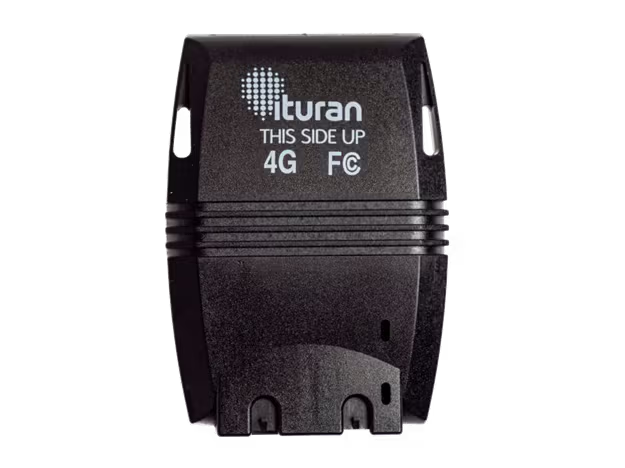
Payment Reminder (optional)
Parking Behavior Report
Accident Notification
Tow Alert
Impound Lots Monitor
Mileage Tracking
Special Relays for Faster Installation
Backup Battery
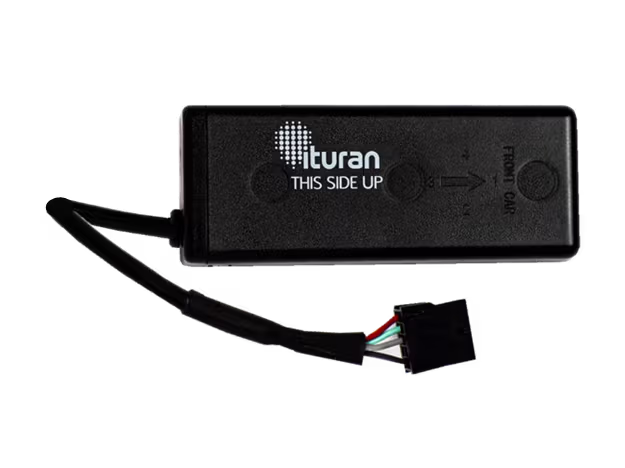
Accident Notification
Tow Alert
Impound Lots Monitor
Mileage Tracking
OBD Installation (optional)
Backup Battery
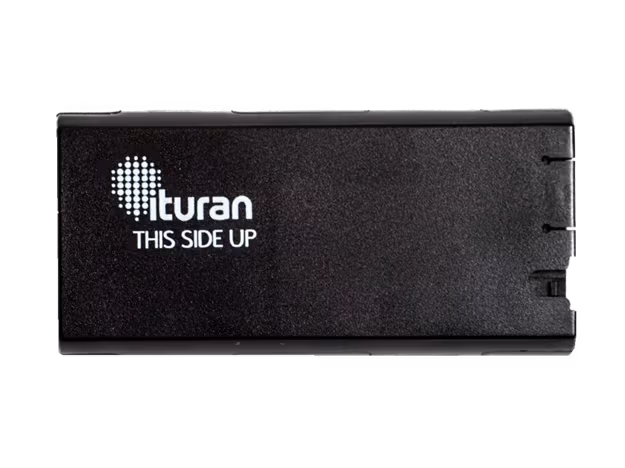
Cost Effective Device
Flexible Tracking Intervals
3 Year Battery Life
Beyond the initial setup and monthly fees, the true value of a commercial fleet GPS tracking system lies in its long-term financial benefits. The return on investment is often realized through substantial savings in key areas of your operation. Optimizing routes and reducing engine idling time leads to a direct decrease in fuel consumption, one of the largest expenses for any fleet. Proactive maintenance alerts help you avoid costly, unexpected repairs and extend the life of your vehicles. Furthermore, monitoring driver behavior can lead to safer driving habits, fewer accidents, and potential reductions in insurance premiums.


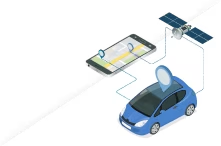


A Comprehensive Breakdown of Commercial GPS Tracking Costs
When businesses begin exploring commercial vehicle GPS tracking, the primary question is often about cost. While it is natural to focus on the price tag, it is more productive to view it as an investment in operational intelligence. The cost structure for these systems can be broken down into several key components, each contributing to the total price and overall value. By understanding these elements, you can better compare providers and select a solution that aligns with your budget and business objectives.
Primary Cost Components
Most GPS tracking solutions involve a combination of upfront and recurring expenses. Here is a closer look at what you can expect:
- Hardware Cost: This is the one-time purchase price for the physical GPS tracking device installed in each vehicle. The cost per unit can range from under fifty dollars for a basic plug-and-play OBD-II tracker to several hundred dollars for a sophisticated, hardwired device with advanced capabilities like engine diagnostics, driver ID readers, or integrated dash cameras. Hardwired units are more tamper-resistant and can support more features, such as a starter interrupt, making them a common choice for asset security.
- Subscription Fee: This is the recurring monthly or annual cost for using the tracking service. This fee covers cellular data transmission from the device, access to the software platform (desktop and mobile apps), data storage, customer support, and software updates. Prices typically range from $15 to $50 per vehicle per month, depending heavily on the features included and the data refresh rate.
- Installation Cost: While simple OBD-II trackers can be plugged in by anyone in seconds, hardwired devices require professional installation. This involves connecting the unit to the vehicle's power, ignition, and other systems. Installation fees can vary but are a necessary consideration for the upfront cost of deploying a more robust and secure tracking system.
- Contract Terms: Many providers offer service agreements ranging from month-to-month to multi-year contracts. Longer contracts often come with a lower monthly subscription rate or discounted hardware, but they also represent a longer-term commitment. It is important to weigh the savings against the flexibility your business requires.
Key Factors That Influence the Final Price
Not all GPS tracking systems are created equal, and their costs reflect that. The price you pay will be directly influenced by the specific needs of your fleet and the level of oversight you wish to achieve. For more information on our specific offerings, please review our our services page.
Scale and Features
The size of your fleet and the features you need are the two biggest determinants of your total cost.
- Number of Vehicles: Providers often offer volume discounts. The more vehicles you equip, the lower the per-unit monthly cost may become.
- Feature Set: A basic plan might only include real-time location tracking. More advanced—and more expensive—tiers can include a wide array of powerful tools:
- Driver behavior monitoring (speeding, harsh braking, rapid acceleration)
- Geofencing with automated alerts
- Automated maintenance reminders
- Fuel usage and idling reports
- Route optimization and dispatching tools
- Dash cam integration
- Data Refresh Rate: This determines how frequently the GPS device reports its location. A faster refresh rate (e.g., every 5-10 seconds) provides a truer "real-time" view but uses more data and costs more than a slower rate (e.g., every 1-5 minutes). The right choice depends on your operational needs; logistics and delivery fleets may need faster updates than equipment rental companies.
Calculating the Return on Investment (ROI)
The most successful businesses understand that cost is only one part of the equation; value is the other. A well-implemented fleet telematics solution can pay for itself many times over. The ROI comes from several key areas of improvement and savings.
First, fuel costs are drastically reduced. By eliminating unauthorized vehicle use, optimizing routes for efficiency, and monitoring and correcting behaviors like speeding and excessive idling, fleets can see fuel savings of 10-20% or more. Second, productivity increases. With real-time location data, dispatchers can send the nearest vehicle to a job, reducing travel time and allowing technicians or drivers to complete more tasks per day. Third, maintenance costs go down. Tracking engine hours and mileage automates preventive maintenance scheduling, helping you avoid catastrophic failures and costly downtime. Finally, enhanced security through features like geofence alerts and stolen vehicle recovery protects your most valuable assets from theft, which is a major financial risk.
When you add up the savings from fuel, labor, maintenance, and asset protection, the monthly cost of a tracking system often appears minimal in comparison. It shifts from being an expense to a strategic tool for managing a more efficient, safe, and profitable fleet. To learn more about our company and our commitment to providing value, please visit our about us page.
Frequently Asked Questions About Vehicle Tracking Costs
What is the average monthly cost for commercial vehicle tracking?
The average monthly cost for commercial vehicle tracking typically ranges from $15 to $50 per vehicle. The exact price depends on several factors, including the number of vehicles in your fleet, the hardware chosen, contract length, and the specific features you need. Basic location tracking plans are at the lower end of the spectrum, while comprehensive telematics solutions with driver behavior monitoring, engine diagnostics, and dash cam support are at the higher end.
Are there long-term contracts for GPS fleet tracking services?
Yes, many GPS tracking providers offer services with contract terms, often ranging from one to three years. Opting for a longer contract can frequently result in lower monthly subscription fees or discounted hardware costs. However, some companies also offer month-to-month or contract-free options, which provide greater flexibility but may come with a higher monthly rate or upfront hardware purchase price.
Can I install a commercial GPS tracker myself?
It depends on the type of device. OBD-II plug-and-play trackers are designed for self-installation; you simply plug them into the vehicle's OBD-II port, usually located under the dashboard. Hardwired trackers, which are more secure and support advanced features like starter interrupt, require a professional installation. This involves connecting the device to the vehicle's electrical system and should be performed by a qualified technician.
How does vehicle tracking improve driver safety?
Vehicle tracking systems enhance driver safety primarily through behavior monitoring. These systems can track and report on unsafe driving habits such as speeding, harsh braking, and rapid acceleration. Fleet managers can use this data to coach drivers and promote safer practices. Features like in-cab alerts can provide real-time feedback to drivers, and crash detection notifications can alert managers immediately in the event of an accident, enabling a faster response.
Does GPS tracking really help lower fuel costs?
Absolutely. GPS tracking is a powerful tool for reducing fuel consumption. It helps lower costs by enabling more efficient route planning to reduce mileage, monitoring and curbing excessive engine idling, and sending alerts for speeding, which is a major contributor to fuel waste. By identifying and correcting these inefficient behaviors across your fleet, businesses often see significant and measurable reductions in their overall fuel expenditure.