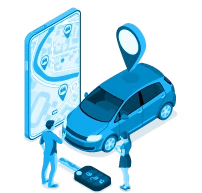
In today's competitive business landscape, optimizing every aspect of your operations is crucial for success. For companies that rely on vehicles, managing driver performance is a key component of efficiency, safety, and profitability. Our advanced driver performance tracking software provides the powerful tools you need to monitor driver behavior, enhance fleet safety, and reduce operational costs. By leveraging state-of-the-art automotive telematics solutions, you gain real-time visibility into your mobile assets. This data-driven approach allows you to make informed decisions, foster a culture of accountability, and protect your valuable vehicle investments. Understanding how your team operates on the road is the first step toward building a more streamlined and secure business. Explore how our technology can transform your fleet management strategy and drive significant returns by promoting safer driving habits and increasing overall productivity.
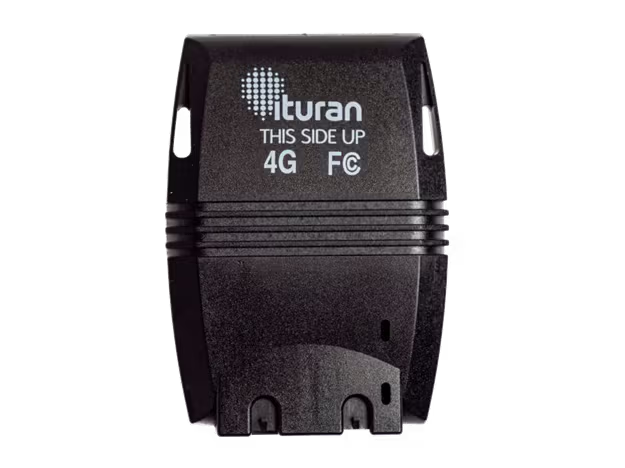
Payment Reminder (optional)
Parking Behavior Report
Accident Notification
Tow Alert
Impound Lots Monitor
Mileage Tracking
Special Relays for Faster Installation
Backup Battery
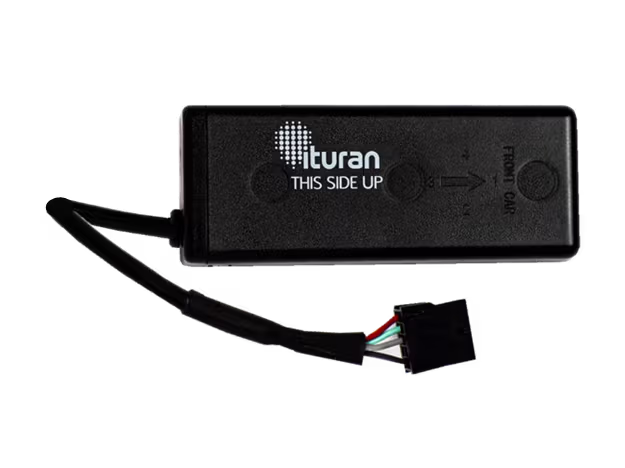
Accident Notification
Tow Alert
Impound Lots Monitor
Mileage Tracking
OBD Installation (optional)
Backup Battery
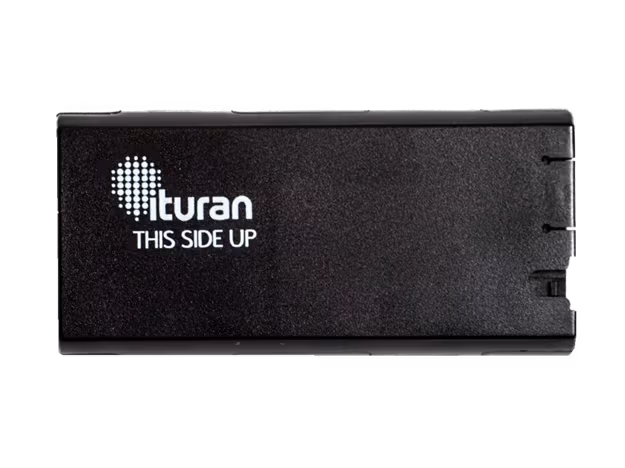
Cost Effective Device
Flexible Tracking Intervals
3 Year Battery Life
Embracing our driver performance tracking platform gives you a decisive advantage. This isn't just about knowing where your vehicles are; it's about understanding the story behind every trip. Our system delivers detailed analytics on speed, acceleration, braking, and idle time, painting a clear picture of individual and team performance. With this information, you can implement targeted training, reward top performers, and address risky behaviors before they lead to costly incidents. This proactive approach to fleet management GPS tracking helps mitigate risk and protect your bottom line.




A Comprehensive Guide to Driver Performance Tracking Technology
In an era defined by data, businesses across every industry are seeking ways to turn information into actionable insights. For organizations with mobile workforces or vehicle fleets, one of the most impactful technologies to emerge is driver performance tracking software. This sophisticated system goes far beyond simple location tracking, offering a deep dive into the habits and behaviors of drivers behind the wheel. By harnessing the power of GPS and telematics, this software collects, analyzes, and presents data that is fundamental to improving safety, boosting efficiency, and managing assets more effectively.
At its core, a driver behavior monitoring system is a platform designed to provide managers with a clear view of how company vehicles are being operated. It uses a combination of GPS hardware installed in the vehicle and advanced software to log critical data points during every trip. This information can include everything from route history and speed to more nuanced events like harsh braking, rapid acceleration, and excessive idling. The goal is to move from reactive problem-solving to proactive management, identifying potential issues and trends before they escalate into accidents, unnecessary expenses, or compliance violations.
The Core Benefits of Monitoring Driver Performance
Implementing a robust tracking solution delivers a multitude of advantages that directly impact your operational success. These benefits are interconnected, creating a positive ripple effect throughout your organization.
- Enhanced Driver Safety: The most significant benefit is the promotion of safer driving. The system can send real-time alerts for dangerous actions like speeding or aggressive cornering. By analyzing this data, managers can use fleet driver scorecards to identify at-risk drivers and provide targeted coaching or training. This focus on safety can lead to a notable reduction in accidents, which in turn lowers insurance premiums, repair costs, and potential liability.
- Improved Operational Efficiency: Inefficiency can be a silent drain on resources. Driver performance software helps pinpoint and eliminate wasteful habits. For example, by monitoring idle times, you can address drivers who leave vehicles running unnecessarily, saving a significant amount on fuel. Furthermore, the route history feature allows you to analyze and optimize daily routes, reducing mileage and enabling your team to complete more jobs in less time.
- Reduced Fuel and Maintenance Costs: Aggressive driving habits like hard acceleration and braking not only pose a safety risk but also consume more fuel and cause premature wear and tear on vehicles. By encouraging smoother driving, the software helps improve fuel economy. Additionally, many platforms, like our Drive-It Product, offer automated maintenance reminders based on mileage or engine hours, ensuring your fleet remains in optimal condition and avoiding costly, unexpected breakdowns.
- Increased Accountability and Productivity: With detailed trip logs and activity reports, there is a clear record of driver activity. This transparency fosters a culture of accountability, discouraging unauthorized vehicle use, extended breaks, or deviations from assigned routes. Knowing that performance is being measured often motivates employees to be more productive and adhere to company policies, ultimately improving customer service and your business's reputation.
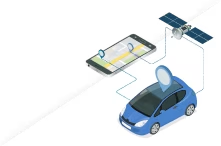
- Powerful Asset Protection: Your vehicles are valuable assets. A comprehensive tracking system serves as a powerful tool for security and recovery. With real-time location data, you always know where your vehicles are. Geofencing capabilities allow you to set up virtual boundaries and receive alerts if a vehicle enters or leaves a designated area outside of working hours, providing an early warning of potential theft. In the unfortunate event of theft, the stolen vehicle recovery GPS functionality dramatically increases the chances of a quick recovery.
Who Can Benefit from Driver Tracking Technology?
While the advantages are universal, certain industries find driver performance tracking software to be an indispensable tool for their specific operational needs.
Fleet-Based Businesses: Companies in logistics, delivery, field services (like HVAC, plumbing, or electrical), and transportation rely on GPS tracking for service fleets to manage complex schedules and routes. The ability to monitor driver behavior ensures that employees are representing the company professionally and operating vehicles safely and efficiently while on the job.
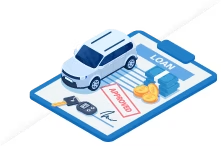
Buy Here Pay Here (BHPH) and Auto Lenders: For dealerships and finance companies that manage their own loan portfolios, risk mitigation is paramount. Using GPS tracking for BHPH dealers provides crucial collateral protection. It helps manage risk associated with subprime auto loans by providing reliable vehicle location data, which is vital for collections and asset recovery if a loan goes into default.
Construction and Heavy Equipment: Construction companies use this technology not only for their trucks and vans but also to track valuable heavy equipment on job sites. Monitoring engine hours helps schedule preventive maintenance, while location tracking prevents theft and unauthorized use of expensive assets.
Choosing the Right System for Your Needs
When selecting a driver performance tracking solution, it is important to look beyond the basic features. A superior platform offers scalability to grow with your business, an intuitive user interface that makes it easy to access and understand data, and robust integration capabilities. The ability to integrate with your existing Dealer Management System (DMS) or other business software, as offered with DMS integrated GPS tracking, creates a seamless workflow and maximizes the value of your data. Finally, consider the quality of customer support and the reliability of the hardware. A dedicated partner is essential for successful implementation and ongoing management.
Frequently Asked Questions
What specific data does driver performance software track?
Driver performance software typically tracks a wide range of data points, including real-time vehicle location, speed, trip start and end times, distance traveled, and route history. It also monitors specific driver behaviors such as harsh braking, rapid acceleration, sharp cornering, and periods of engine idling. Advanced systems can also integrate with the vehicle's onboard diagnostics to monitor engine health and fuel consumption.
How does monitoring driver behavior actually improve safety?
Monitoring improves safety by creating awareness and accountability. When drivers know their performance is being measured, they are naturally more inclined to follow traffic laws and company policies. The system provides managers with objective data to identify risky habits. This allows for targeted coaching and training to correct specific behaviors, like consistent speeding, before they result in an accident.
Can this type of software really help reduce our company's fuel costs?
Absolutely. Fuel savings are one of the most significant benefits. The software helps reduce fuel consumption in two main ways. First, by flagging and helping to correct aggressive driving habits like hard acceleration and speeding, which use more fuel. Second, it identifies and measures engine idle time, allowing you to set policies to reduce unnecessary idling, a major source of fuel waste in many fleets.
Is it legal to use GPS to track employee-driven company vehicles?
In the United States, it is generally legal for an employer to use GPS tracking on company-owned vehicles during business hours, as the vehicles are considered company assets. However, laws can vary by state, particularly concerning tracking outside of work hours or in employee-owned vehicles. It is always best practice to maintain a clear, written policy that informs employees about the use of tracking devices and to consult with legal counsel to confirm compliance with local and state regulations. We encourage you to review our privacy policy for more information.
How is the GPS tracking hardware installed in the vehicles?
Installation methods for vehicle GPS tracking hardware vary. Some devices are simple plug-and-play units that connect directly to the vehicle's OBD-II port, which can be done in seconds without any tools. Other, more covert or feature-rich devices require a hardwired installation. This typically involves connecting the device to the vehicle's power, ground, and ignition sources and is often performed by a professional technician to confirm a secure and reliable connection.