
In today's competitive business landscape, optimizing every aspect of your operations is critical for success. For companies that rely on a fleet of vehicles, managing assets effectively can be the difference between profit and loss. Fleet efficiency monitoring provides the essential tools and data-driven insights needed to transform your fleet from a significant expense into a streamlined, high-performing asset. By leveraging advanced automotive telematics solutions, you can gain complete visibility into your vehicle operations. This technology allows you to track vehicle locations in real time, analyze driver behavior, monitor fuel consumption, and proactively manage maintenance schedules. The result is a more productive, safer, and cost-effective fleet that directly contributes to your bottom line. Understanding how your vehicles are being used empowers you to make smarter decisions, reduce waste, and improve overall service delivery, giving you a distinct advantage in your market.
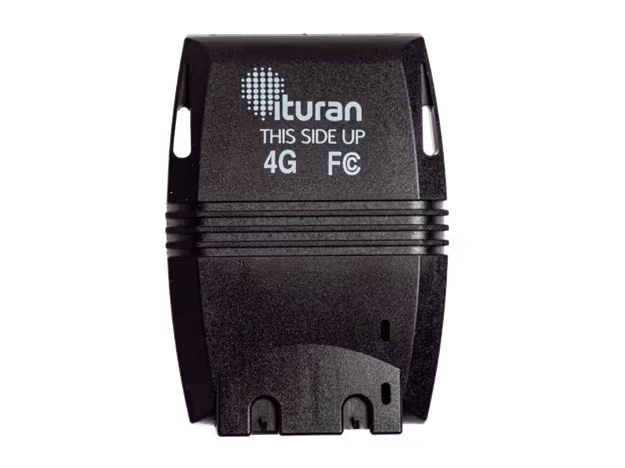
Payment Reminder (optional)
Parking Behavior Report
Accident Notification
Tow Alert
Impound Lots Monitor
Mileage Tracking
Special Relays for Faster Installation
Backup Battery
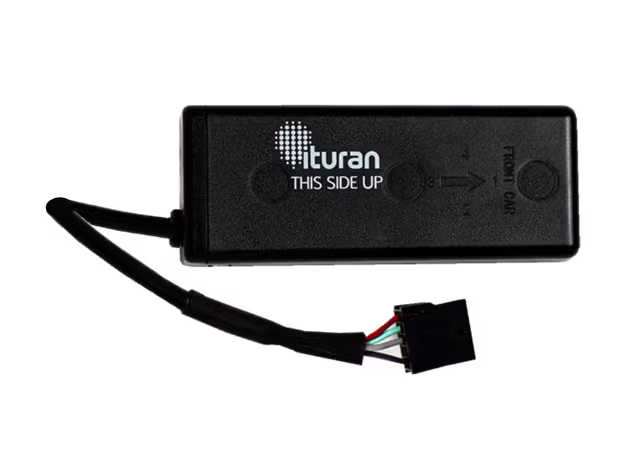
Accident Notification
Tow Alert
Impound Lots Monitor
Mileage Tracking
OBD Installation (optional)
Backup Battery
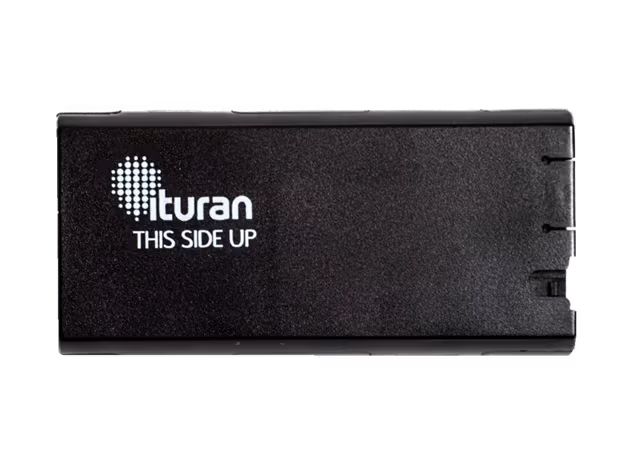
Cost Effective Device
Flexible Tracking Intervals
3 Year Battery Life
Implementing a robust fleet monitoring system is more than just tracking dots on a map; it is about unlocking the full potential of your mobile workforce and vehicle assets. Our comprehensive fleet GPS tracking solutions are designed to provide actionable intelligence that drives operational improvements. From reducing unauthorized vehicle use to optimizing daily routes for maximum efficiency, the benefits are immediate and measurable. Let us help you take control of your fleet and turn valuable data into powerful business results.



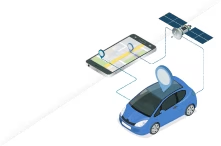


A Comprehensive Guide to Fleet Efficiency Monitoring Systems
Managing a fleet of vehicles, regardless of its size, comes with a unique set of challenges. These include rising fuel prices, unexpected maintenance costs, driver safety concerns, and the constant pressure to improve customer service. Without a clear view of your day-to-day operations, these challenges can lead to significant inefficiencies and financial strain. This is where fleet efficiency monitoring becomes an indispensable tool for modern businesses. By integrating sophisticated GPS vehicle monitoring systems with powerful software, you can collect and analyze a vast amount of data from every vehicle in your fleet. This information provides a 360-degree view of your operations, enabling you to identify areas for improvement and implement strategies that enhance productivity, safety, and profitability.
At its core, fleet efficiency monitoring is the practice of using telematics technology to gather data about vehicle usage, driver performance, and asset health. This data is then processed by a central software platform, often accessible via a web-based dashboard or mobile app, presenting it in the form of easy-to-understand reports, alerts, and analytics. This allows fleet managers to move from a reactive management style, where they deal with problems as they arise, to a proactive one, where they can anticipate issues and prevent them from occurring. Whether you manage a small service fleet or a large logistics operation, the principles of monitoring remain the same: gain visibility, analyze data, and take action to optimize performance.
The Key Components of a Modern Fleet Monitoring Solution
An effective fleet efficiency monitoring system is built upon several interconnected technologies and features that work together to provide a complete operational picture. Understanding these components is the first step toward choosing a solution that fits your business needs.
- Real-Time GPS Tracking: The foundation of any monitoring system is the ability to know where your vehicles are at all times. Real-time GPS tracking provides live location updates, allowing for improved dispatching, accurate ETAs for customers, and enhanced security against theft or unauthorized use. Features like geofencing create virtual boundaries and trigger alerts when a vehicle enters or exits a specified area, which is ideal for confirming arrivals at job sites or preventing off-hours usage.
- Driver Behavior Monitoring: The person behind the wheel has the single greatest impact on fuel consumption, vehicle wear and tear, and safety. A driver behavior monitoring system tracks key metrics such as speeding, harsh acceleration, hard braking, and excessive idling. By identifying risky habits, you can implement targeted training programs to improve driver safety, reduce accidents, lower insurance premiums, and cut down on unnecessary fuel waste.
- Vehicle Diagnostics and Maintenance Management: Modern telematics devices can connect directly to a vehicle's On-Board Diagnostics (OBD-II) port. This allows the system to monitor engine health, read diagnostic trouble codes (DTCs), and track mileage. With fleet maintenance tracking software, you can automate maintenance schedules based on actual usage, receive alerts for potential engine problems, and prevent costly breakdowns before they happen. Proactive maintenance extends vehicle life and minimizes downtime.
- Fuel Efficiency Tracking: Fuel is one of the largest operating expenses for any fleet. A fleet fuel efficiency tracking solution helps you control this cost by monitoring fuel consumption, identifying sources of waste like excessive idling or inefficient routing, and tracking fuel card transactions to prevent misuse. By optimizing routes and correcting inefficient driving behaviors, businesses can achieve significant savings on fuel expenses.
- Reporting and Analytics: Raw data is only useful when it is transformed into actionable insights. A robust fleet GPS reporting software provides detailed reports on everything from trip history and stop durations to driver performance scorecards and asset utilization. These analytics help managers identify long-term trends, measure performance against key benchmarks, and make informed decisions to continually improve fleet efficiency.
Transform Your Business with Tangible Benefits
Implementing a fleet efficiency monitoring system offers a substantial return on investment through a variety of direct and indirect benefits. Businesses that adopt this technology often experience transformative improvements across their entire operation.
One of the most immediate advantages is a significant reduction in operational costs. By optimizing routes, you decrease mileage and fuel consumption. By curbing excessive idling and aggressive driving, you further reduce fuel waste and minimize wear and tear on engine components, brakes, and tires. This leads to lower maintenance bills and a longer lifespan for your vehicles. Furthermore, improved safety records can lead to more favorable insurance rates, adding another layer of savings.
Productivity also sees a major boost. With real-time tracking, dispatchers can assign the closest vehicle to a new job, reducing travel time and enabling your team to complete more tasks each day. Monitoring stop durations and start/end times helps to provide accountability and ensures that work hours are spent efficiently. Better route planning means less time stuck in traffic and more time serving customers, ultimately improving customer satisfaction and retention. To learn more about how we can help your business, please review our services or contact us today.
What kind of data can I track with a fleet monitoring system?
A comprehensive fleet monitoring system can track a wide range of data points. This includes real time vehicle location, speed, trip history, engine start and stop times, idle duration, and mileage. Advanced systems connected to the vehicle's diagnostic port can also monitor fuel consumption, engine fault codes, battery voltage, and driver behaviors like harsh acceleration, braking, and cornering.
How does fleet efficiency monitoring help reduce fuel costs?
Fleet monitoring helps reduce fuel costs in several key ways. It identifies and helps eliminate wasteful practices like excessive idling and aggressive driving. It enables route optimization to find the most direct and efficient paths, reducing total miles driven. Additionally, it helps keep vehicles in peak condition through proactive maintenance alerts, as a well-maintained engine operates more efficiently and consumes less fuel.
Is the installation of GPS tracking devices complicated?
Installation varies depending on the type of device. Many modern GPS tracking devices are simple plug-and-play units that connect directly to the vehicle's OBD-II port, a process that takes only a few seconds and requires no special tools. For more covert or feature-rich installations, a hardwired device may be used, which typically involves a straightforward installation by a professional technician to connect it to the vehicle's power source.
Can this system help improve driver safety?
Absolutely. Driver behavior monitoring is a core feature of fleet efficiency systems. By tracking metrics like speeding, rapid acceleration, and hard braking, you can identify high-risk drivers and provide targeted coaching. The presence of a monitoring system often encourages safer driving habits on its own. This leads to fewer accidents, protects your employees and assets, and can help lower your insurance premiums.
Is fleet monitoring suitable for small businesses?
Yes, fleet monitoring is highly beneficial for businesses of all sizes. Many small business fleet GPS tracking solutions are scalable and affordable, offering a low barrier to entry. Even with just a few vehicles, the savings on fuel, maintenance, and insurance, combined with gains in productivity and customer service, can provide a significant return on investment and a competitive advantage.