In today's competitive business landscape, optimizing your vehicle fleet is no longer a luxury—it is a necessity. Fleet vehicle tracking companies provide the advanced tools and technology needed to transform how you manage your mobile assets. From real-time location data to in-depth driver behavior analytics, these solutions offer unparalleled insight into your daily operations. By partnering with a leading provider, you can enhance security, improve driver safety, reduce operational costs, and boost overall productivity. Choosing the right partner is critical, as the features, reliability, and support can vary significantly. This guide explores the essential factors to consider, helping you navigate the options and select a fleet GPS tracking solution that aligns perfectly with your business goals. Understanding the technology and its applications is the first step toward unlocking a new level of operational efficiency and control for your entire fleet of vehicles.
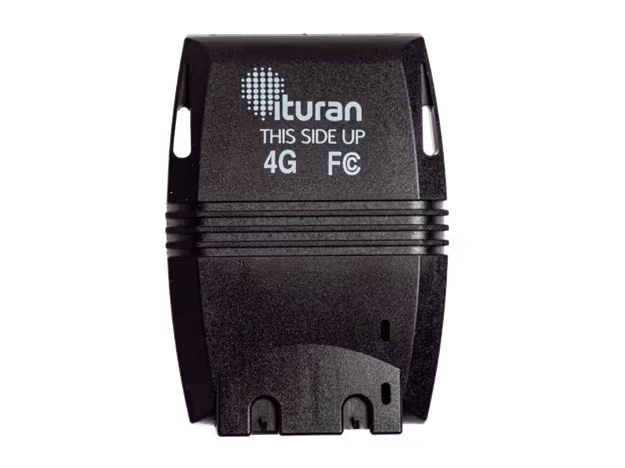
Payment Reminder (optional)
Parking Behavior Report
Accident Notification
Tow Alert
Impound Lots Monitor
Mileage Tracking
Special Relays for Faster Installation
Backup Battery
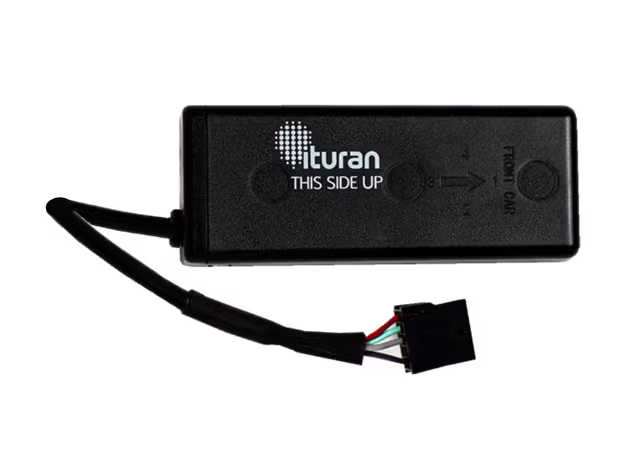
Accident Notification
Tow Alert
Impound Lots Monitor
Mileage Tracking
OBD Installation (optional)
Backup Battery
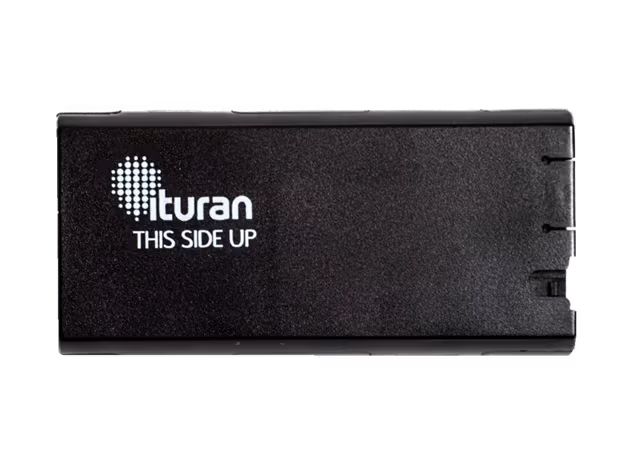
Cost Effective Device
Flexible Tracking Intervals
3 Year Battery Life
Selecting the ideal automotive telematics provider involves more than just comparing prices. It requires a careful evaluation of your unique business needs, whether you are managing a small delivery service, a large construction fleet, or a dealership's finance portfolio. The best fleet vehicle tracking companies offer scalable solutions with robust hardware, intuitive software, and exceptional customer support. Look for key features like geofencing, real-time alerts, and comprehensive reporting to gain the visibility you need to make informed decisions and protect your valuable assets effectively.




Understanding the Role of Fleet Vehicle Tracking Companies
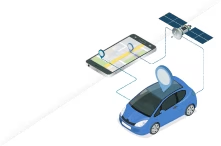
Fleet vehicle tracking companies are technology partners that empower businesses to monitor and manage their vehicles using GPS (Global Positioning System) and telematics data. At its core, this technology involves installing a small tracking device in each vehicle, which then transmits data via cellular or satellite networks to a central server. Business owners and fleet managers can access this information through a web-based software platform or a mobile app. The insights gained go far beyond simple location tracking, offering a comprehensive overview of your entire mobile operation.
Modern fleet GPS tracking solutions provide a wealth of data points that can be analyzed to improve business performance. This includes vehicle speed, idle time, harsh braking or acceleration events, engine diagnostics, fuel consumption, and maintenance alerts. By leveraging this information, companies can move from a reactive management style to a proactive one, addressing potential issues before they become costly problems. For any organization that relies on vehicles—from local service businesses to nationwide logistics enterprises—partnering with the right vehicle tracking service provider is a strategic move that can yield a significant return on investment.
Key Benefits of Implementing a Fleet GPS Tracking System
Integrating a professional vehicle tracking system into your operations provides numerous advantages that impact everything from your bottom line to employee safety. Companies that adopt this technology report significant improvements across several key areas of their business.
- Increased Operational Efficiency: With real-time vehicle location tracking, dispatchers can assign the nearest driver to a new job, reducing travel time and fuel costs. Optimized routing helps drivers avoid traffic and complete more stops per day, boosting overall fleet productivity.
- Reduced Fuel and Maintenance Costs: Monitoring driver behaviors like speeding, excessive idling, and rapid acceleration can help you curb fuel-wasting habits. Furthermore, tracking mileage and engine hours automates preventive maintenance schedules, helping to prevent expensive breakdowns and extend vehicle life.
- Enhanced Driver Safety and Accountability: A driver safety monitoring system promotes safer driving habits. Fleet driver scorecards and real-time alerts for unsafe actions create accountability. In the event of an accident, impact alerts and location data can expedite emergency response.
- Improved Asset Security: GPS tracking is a powerful tool for stolen vehicle recovery. Instant alerts for unauthorized movement or geofence breaches allow you to notify authorities quickly with the vehicle's exact location, dramatically increasing the chances of recovery.
- Better Customer Service: When a customer asks for an ETA, you can provide an accurate answer by looking at the driver's real-time location. This transparency builds trust and improves the customer experience.
Specialized GPS Tracking for Auto Dealerships and Lenders
While fleet management is a common application, GPS tracking technology offers immense value for the automotive finance industry, particularly for Buy Here Pay Here (BHPH) dealerships and subprime auto lenders. These businesses face unique risks associated with collateral management and collections. GPS tracking for BHPH dealers provides a critical layer of asset protection and risk mitigation.
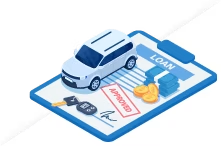
For auto finance companies, a GPS device installed in a financed vehicle serves as a powerful tool for portfolio management. In cases of loan delinquency, the ability to locate the collateral quickly and efficiently is paramount. This capability not only aids in the recovery process but also acts as a deterrent against payment defaults. Many BHPH GPS tracking systems include features like payment reminders, which can send alerts to the device to remind customers of upcoming due dates.
Another key feature for this sector is the starter interrupt or remote starter disable. A starter interrupt GPS for dealers allows the lender to remotely prevent a vehicle from starting in accordance with local regulations and contract terms. This technology is a highly effective tool for encouraging timely payments and simplifying the vehicle recovery process when necessary. By using a dealer GPS tracking platform, lenders can manage their entire portfolio, monitor asset locations, and protect their investments with greater confidence.
How to Compare and Choose the Best Fleet Tracking Company
With so many providers in the market, selecting the right one can feel overwhelming. A systematic approach will help you find a partner that fits your budget and operational requirements. Start by clearly defining what you need to accomplish. Are you focused on driver safety, asset security, or operational efficiency? Your primary goals will dictate which features are most important.
Next, evaluate the hardware. Look for durable, reliable 4G LTE devices that are easy to install, whether they are hardwired or plug-and-play models. Inquire about hardware warranties and replacement policies. The software is just as crucial. A user-friendly, cloud-based platform with a clean dashboard and customizable reports is essential. Request a live demo to see the software in action and assess its ease of use. A powerful mobile app for on-the-go management is also a must-have feature.
Finally, consider the company's support and pricing structure. Does the provider offer 24/7 customer support? Is training included? Compare pricing models—some charge upfront for hardware with a lower monthly fee, while others may bundle the hardware cost into a higher monthly subscription. Be sure to understand the contract terms and any potential hidden fees. By carefully researching these areas, you can select one of the top fleet GPS tracking companies that will serve as a valuable long-term partner for your business.
Helpful Links
Frequently Asked Questions
What is the difference between GPS tracking and fleet telematics?
While often used interchangeably, there is a distinction. GPS tracking primarily focuses on vehicle location. Fleet telematics is a broader term that encompasses GPS location data plus additional vehicle information collected from a vehicle's onboard diagnostics (OBD-II) port. This can include data on fuel consumption, engine health, fault codes, mileage, and driver behaviors like harsh braking or rapid acceleration. Essentially, telematics provides a more complete picture of vehicle and driver performance.
How does a starter interrupt feature work?
A starter interrupt device is connected to a vehicle's starter circuit. When a remote command is sent from the GPS tracking platform, a relay in the device opens the circuit, preventing the starter from receiving power. This means the engine cannot be started. This feature is commonly used by auto lenders and BHPH dealers to aid in collateral recovery for delinquent accounts, and it must be used in compliance with all applicable state and local laws.
Can I install fleet GPS tracking devices myself?
It depends on the type of device. Some GPS trackers are simple plug-and-play units that connect directly to the vehicle's OBD-II port, which can be installed in seconds without any tools. Other devices are hardwired, requiring connection to the vehicle's power, ground, and ignition sources. While some businesses choose to self-install hardwired devices, many opt for professional installation to make certain the connections are secure and the device is properly concealed.
Is it possible to track my fleet vehicles from a smartphone?
Yes, nearly all modern fleet vehicle tracking companies offer powerful mobile apps for both iOS and Android devices. These apps provide fleet managers with the flexibility to monitor their vehicles from anywhere, at any time. You can view real-time locations on a map, check vehicle status, receive alerts, and run basic reports directly from your phone or tablet, keeping you connected to your operations even when you are out of the office.
What kinds of reports can I generate with a vehicle tracking system?
Fleet tracking platforms typically offer a wide range of customizable reports to help you analyze data and gain actionable insights. Common reports include trip history reports showing routes taken, stop reports detailing stop locations and durations, idling reports to identify fuel waste, driver behavior scorecards, vehicle maintenance reports based on mileage or engine hours, and geofence activity reports that track when vehicles enter or exit specific zones.