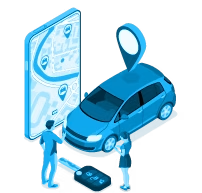
When you finance a vehicle, particularly through specialized financing programs, you may learn that a GPS tracking device will be installed. It is important to understand that this is a common practice in the automotive finance industry. These devices serve as a crucial tool for lenders to protect their assets, as the vehicle acts as collateral for the loan. The presence of a GPS device allows the financing company to mitigate risk, which in turn can broaden the financing options available to more customers. This technology helps secure the loan, enabling us to work with a wider range of credit situations. Our team believes in complete transparency and is here to explain every aspect of your financing agreement, including how these devices work and the policies that govern their use, so you can drive away with confidence and peace of mind in your new purchase.
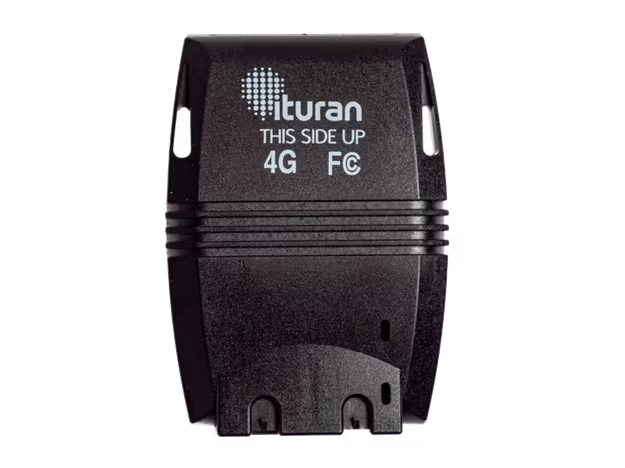
Payment Reminder (optional)
Parking Behavior Report
Accident Notification
Tow Alert
Impound Lots Monitor
Mileage Tracking
Special Relays for Faster Installation
Backup Battery
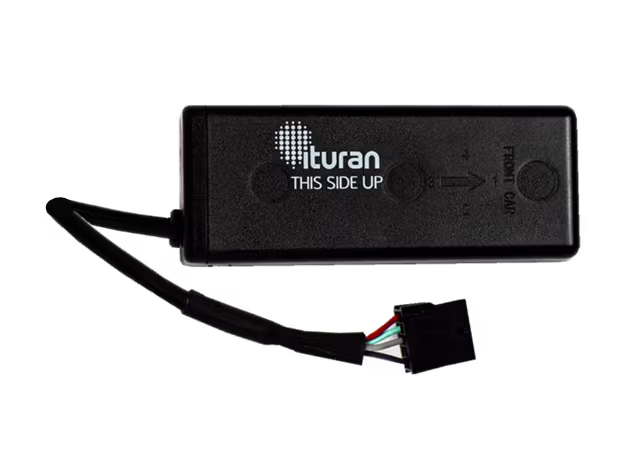
Accident Notification
Tow Alert
Impound Lots Monitor
Mileage Tracking
OBD Installation (optional)
Backup Battery
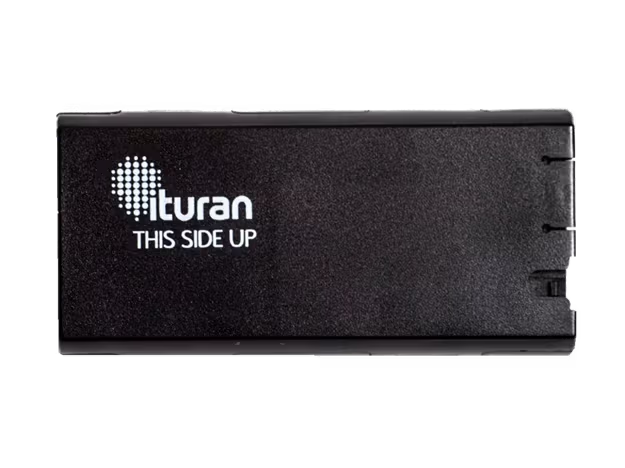
Cost Effective Device
Flexible Tracking Intervals
3 Year Battery Life
Beyond asset protection for the lender, many modern GPS systems offer features that can directly benefit you as the vehicle owner. These can include stolen vehicle recovery services, which may help law enforcement locate your car quickly in the unfortunate event of theft. Some devices also provide alerts for vehicle movement or impact notifications. We encourage you to ask our finance specialists about the specific capabilities of the system used with your vehicle. Understanding these features can help you make the most of the technology during your loan term.



A Comprehensive Guide to GPS Technology in Auto Financing
Navigating the world of auto financing can bring up many questions, and one topic that often comes up is the use of GPS devices for auto finance. At our dealership, we are committed to making every step of the process clear and straightforward. This guide will provide detailed information about why these systems are used, how they function, and the benefits they can offer to both the lender and you, the driver. Our goal is to empower you with knowledge, ensuring you feel comfortable and informed about your vehicle purchase and financing agreement. We believe a well-informed customer is a happy customer, and we are dedicated to building a relationship based on trust and transparency from the moment you step onto our lot to long after you drive away.
The Role of GPS in Securing Your Auto Loan
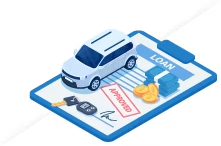
In any financing agreement, the vehicle itself serves as collateral for the loan. This means the lender has a vested interest in the asset until the loan is paid in full. A GPS tracking system is primarily a tool for collateral protection and risk management. For lenders, especially those who specialize in Buy Here Pay Here (BHPH) or work with customers rebuilding their credit, managing risk is essential. The ability to locate a vehicle helps protect the asset in cases of loan default or theft. This level of security enables lenders to offer financing opportunities to a broader spectrum of applicants who might otherwise face challenges securing a traditional auto loan. By utilizing GPS tracking for subprime auto loans, we can expand our ability to say "yes" and help more people get the reliable transportation they need.
Benefits Beyond the Loan: Advantages for the Vehicle Owner
While the primary purpose of a GPS device is to secure the lender's asset, the technology often comes with features that provide significant value to the vehicle owner. One of the most important benefits is enhanced vehicle security and the potential for recovery if the car is stolen.
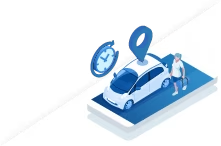
- Stolen Vehicle Recovery: A stolen vehicle recovery GPS can transmit the car's real-time location to law enforcement, dramatically increasing the chances of a quick and safe recovery. This feature alone provides invaluable peace of mind.
- Potential Insurance Discounts: Many insurance companies offer reduced premiums for vehicles equipped with anti-theft and recovery systems. Check with your insurance provider to see if you qualify for a discount.
- Personal Vehicle Monitoring: Some systems come with companion mobile apps that allow you to monitor your vehicle. This can be useful for keeping track of a family member, such as a teen driver, or simply remembering where you parked in a large lot.
- Safety and Security Alerts: Advanced systems can provide geofencing alerts (notifying you if the vehicle enters or leaves a designated area) and speeding notifications, which can help encourage safer driving habits.
How the Technology Works
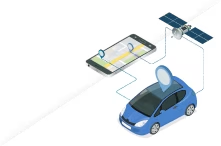
Understanding the mechanics of these systems can help demystify their purpose. A small, discreet device is professionally installed in the vehicle. This device contains a GPS receiver to determine its location and a cellular transmitter to communicate that data back to a secure server. It is typically hardwired into the vehicle's electrical system, ensuring a constant power source without significantly impacting the car's battery. The information collected is limited and specific to the terms outlined in your financing agreement. To learn more about the specifics of our financing process, you can review our guide on how it works and what to bring when you visit us.
Addressing Common Concerns: Privacy and Legality
We understand that the idea of a tracking device on your personal vehicle can raise questions about privacy. It is important to know that the use of these devices in financed vehicles is a legal and regulated practice. The terms of use are always disclosed upfront in the financing contract that you sign before purchasing the vehicle. Lenders are bound by state and federal laws regarding when and how they can access location data. The data is encrypted and stored on secure servers, with access strictly limited to authorized personnel for legitimate business purposes as defined in your agreement, such as recovering the vehicle in a default situation. For more details on how customer information is handled, please review our dealership's privacy policy. Our commitment is to operate with full transparency, and our finance team is always available to answer any questions you may have. You can contact us at any time.
Features like Starter Interrupt Technology
Some GPS devices are equipped with a feature known as a "starter interrupt" or "starter disable." This technology allows the lender to remotely prevent the vehicle's engine from starting. It is critical to understand that this is not a feature that can be used arbitrarily or to shut off a vehicle while it is in motion. Its use is strictly regulated and is typically reserved as a last-resort measure in cases of severe loan delinquency, after multiple attempts to contact the borrower have been unsuccessful. The purpose is to immobilize the vehicle to facilitate its recovery as collateral. All conditions for the use of this technology are explicitly detailed in the finance agreement, ensuring you are fully aware of the terms before you finalize your purchase of a vehicle from our homepage inventory.
Frequently Asked Questions
Is it legal to have a GPS tracker on a financed car?
Yes, it is legal in most states for a lender to install a GPS tracking device on a vehicle that is being used as collateral for a loan. The use of the device must be fully disclosed to the borrower in the financing agreement, and the lender must adhere to all applicable state and federal laws regarding privacy and data access.
Will the GPS device drain my car's battery?
Professionally installed GPS tracking devices are designed to draw a very minimal amount of power from the vehicle's battery. The power consumption is negligible and should not cause battery issues in a vehicle that is driven regularly and has a healthy battery. If you ever have concerns, our service department can assist.
Who has access to my vehicle's location data?
Access to your vehicle's location data is strictly controlled and limited to authorized personnel at the financing company. The data is used for legitimate business purposes as outlined in your loan agreement, such as locating the vehicle in the event of theft or for repossession due to loan default. Your data is not shared or sold to third parties for marketing.
What happens to the GPS device after I pay off my loan?
Once your auto loan is paid in full, you own the vehicle outright. At that point, the lender no longer has a financial interest in the asset. You can typically request to have the GPS device professionally disabled or removed. Please contact the financing company upon loan completion to understand their specific procedure.
Can I remove the GPS tracker myself?
No, you should not attempt to remove or tamper with the GPS device while the vehicle is under the financing agreement. Doing so is often a direct violation of your loan contract and could result in serious consequences, including the immediate acceleration of your loan balance or repossession of the vehicle. The device is the property of the lender until the loan is satisfied.