
Making the decision to integrate GPS fleet management software into your business operations is a significant step toward improving efficiency, security, and profitability. However, navigating the various pricing models can be a complex task. The cost of these powerful systems is not a one-size-fits-all number; it is a dynamic figure influenced by your fleet's size, the specific features you require, the type of tracking hardware selected, and the length of your service agreement. Understanding the components that make up the total investment is crucial for calculating your potential return. This guide is designed to demystify fleet GPS tracking pricing, providing a clear overview of common cost structures and the key variables that will impact your final quote. By exploring these factors, you can better align a solution with your operational needs and budget, making a confident and informed choice for your company's future.
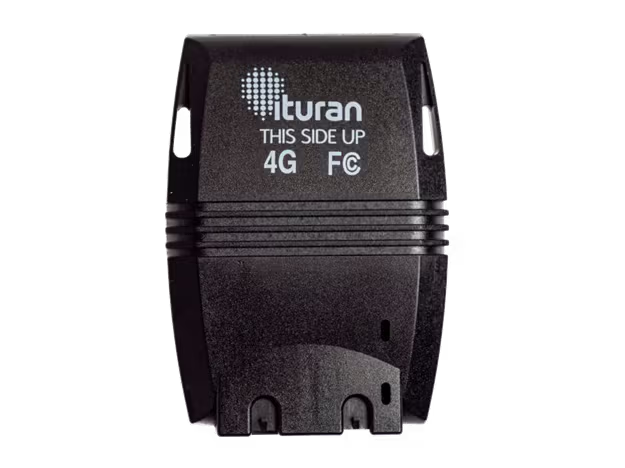
Payment Reminder (optional)
Parking Behavior Report
Accident Notification
Tow Alert
Impound Lots Monitor
Mileage Tracking
Special Relays for Faster Installation
Backup Battery
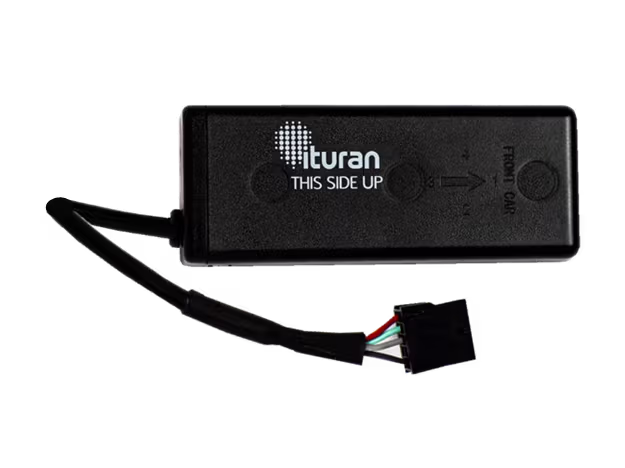
Accident Notification
Tow Alert
Impound Lots Monitor
Mileage Tracking
OBD Installation (optional)
Backup Battery
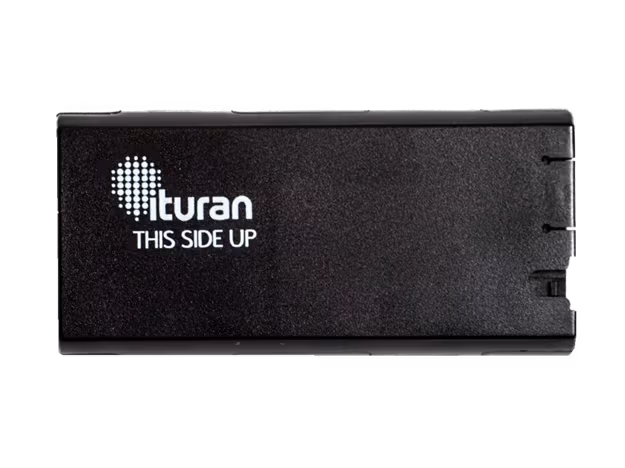
Cost Effective Device
Flexible Tracking Intervals
3 Year Battery Life
The final price of a GPS fleet management solution is a blend of hardware costs, monthly software subscription fees, and potential installation charges. Key factors that determine your investment include the number of vehicles in your fleet, the complexity of the software features you need—from basic location tracking to advanced driver behavior monitoring—and the terms of your contract. Longer agreements often come with lower monthly rates. We are here to provide clarity and help you find a package that offers the right balance of functionality and affordability for your business.


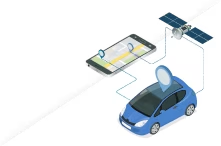


A Detailed Breakdown of Fleet Management Software Costs
When you begin researching GPS fleet management software, you will quickly discover that pricing is rarely a simple, flat rate. Providers typically structure their costs to be scalable, accommodating businesses from small local service companies to large national enterprises. The most prevalent model is a recurring subscription, usually billed on a per-vehicle, per-month basis. This fee grants you access to the software platform, data storage, and customer support. However, the total cost of ownership involves more than just this monthly fee. Let's delve into the specific elements that contribute to the overall pricing structure.
Core Pricing Components
The investment in a fleet management system can be broken down into three primary categories: hardware, software, and services. Each component has its own set of variables that influence the price.
- Hardware Costs: This is the upfront expense for the physical GPS tracking devices installed in each vehicle. The price per unit can vary significantly based on its capabilities. A simple plug-and-play OBD-II tracker will be less expensive than a hardwired unit with advanced features like a starter-interrupt vehicle tracking system, sensor integrations, or built-in dash cameras. While some providers bundle the hardware cost into the monthly fee or offer it for "free" with a long-term contract, it is important to understand you are still paying for it over the life of the agreement.
- Software Subscription (SaaS): This is the recurring monthly fee that gives you access to the tracking platform, features, and data. Most companies offer tiered plans. A basic plan might only include real-time vehicle GPS tracking and simple reporting, while premium tiers could add features like comprehensive driver behavior monitoring, route optimization, maintenance scheduling, fuel card integration, and advanced analytics. The price you pay is directly tied to the level of functionality you need.
- Contract Terms: The length of your service agreement plays a crucial role in your monthly cost. Providers typically offer discounts for longer contracts. A three-year agreement will almost always have a lower per-vehicle, per-month rate than a one-year or month-to-month plan. While shorter terms offer more flexibility, a long-term contract can provide significant cost savings if you are confident in the solution.
Factors That Influence Your Final Quote
Beyond the core components, several other factors will affect the price you are quoted by fleet GPS tracking companies. When requesting a quote, be prepared to discuss these aspects of your operation.
Your fleet size is one of the most significant factors. Nearly all providers offer volume discounts, meaning the per-vehicle cost decreases as the number of tracked vehicles increases. A business with 100 vehicles will pay a lower rate per unit than a small business with just five.
The specific features you require are also critical. Do you need basic location data, or are you looking for a robust fleet telematics solution to monitor engine diagnostics, driver safety, and fuel efficiency? Features like geofencing alerts, idle time reports, and driver scorecards are often part of mid-to-high-tier packages, which come at a higher price point. If your business is in a specialized industry, such as a Buy Here Pay Here (BHPH) dealership, you may require specific tools like payment reminders or remote starter disable functions, which can also influence the cost.
Installation is another consideration. Plug-and-play devices can be installed by your own team in minutes, eliminating any installation fees. However, more complex hardwired devices require professional installation, which can be an additional one-time cost per vehicle. Some providers include professional installation in their pricing, while others list it as a separate line item.
Calculating the Return on Investment (ROI)
While it's important to understand the costs, it is equally vital to view GPS fleet management software as an investment rather than an expense. The right system pays for itself over time through operational savings and increased efficiency. An effective fleet monitoring system can lead to substantial cost reductions in several key areas. Optimized routing and reduced idling time directly lower fuel consumption, one of the largest expenses for any fleet. Proactive maintenance alerts based on actual vehicle mileage and engine hours help prevent costly breakdowns and extend vehicle lifespan.
Furthermore, monitoring driver behavior—such as speeding, harsh braking, and rapid acceleration—can help promote safer driving habits. This not only reduces wear and tear on vehicles but can also lead to fewer accidents and potentially lower insurance premiums. For businesses that rely on customer service, such as delivery or field service companies, the ability to provide accurate ETAs and prove service calls enhances customer satisfaction. The productivity gains from dispatching the nearest driver and fitting more stops into each day add directly to your bottom line. By quantifying these potential savings, you can clearly see how the monthly software fee transforms into a powerful tool for business growth.
What is the average monthly cost per vehicle for GPS fleet tracking?
The average monthly cost for GPS fleet tracking can range from approximately $15 to $45 per vehicle. The exact price depends heavily on the features included in the software plan, the type of hardware used, and the length of the contract. Basic plans with simple location tracking are at the lower end, while comprehensive plans with advanced telematics and driver monitoring are at the higher end.
Are there often separate setup or installation fees?
This varies by provider. Some companies charge a one-time activation fee per device. For hardwired trackers that require professional installation, there is often a separate installation fee, which can range from $50 to $150 per vehicle. Other providers may waive these fees or bundle them into the total cost, especially with a long-term service agreement.
Do I have to sign a long-term contract?
Most GPS tracking providers encourage contracts of one to three years, offering significant price reductions for longer commitments. However, some companies do offer month-to-month or one-year options for businesses that need more flexibility, though these plans typically come with a higher monthly per-vehicle rate. It is important to weigh the cost savings of a long-term contract against your need for flexibility.
What is the difference between basic and advanced fleet tracking features?
Basic features typically include real-time location tracking on a map, trip history reports, and simple alerts like geofencing. Advanced features provide deeper insights and control, such as detailed driver behavior monitoring (speeding, harsh braking), engine diagnostic trouble codes, fuel consumption tracking, maintenance scheduling, route optimization, and integration with other business software.
Can GPS tracking software integrate with other business systems?
Yes, many leading GPS tracking software platforms offer integrations with other business tools through an API (Application Programming Interface). This allows you to connect your fleet data with systems like fuel card programs, accounting software, dispatching software, or a Dealer Management System (DMS). Integration capabilities are usually part of higher-tier subscription plans.