
In today's competitive business landscape, efficiency is paramount. For companies that rely on a fleet of vehicles, managing routes, driver performance, and asset location is a complex daily challenge. GPS route tracking for fleets transforms this challenge into a strategic advantage. By leveraging advanced telematics, you gain unparalleled visibility into your entire mobile operation. This technology provides real-time data that empowers you to optimize routes, reduce fuel consumption, improve driver safety, and enhance customer service. Moving beyond simple location points on a map, modern fleet gps tracking systems offer a comprehensive suite of tools designed to streamline workflows, cut operational costs, and boost your bottom line. Investing in a robust vehicle tracking solution is an investment in a more productive, accountable, and profitable future for your business. Our solutions are designed to provide the insights you need to make informed decisions and maintain a competitive edge in your industry.
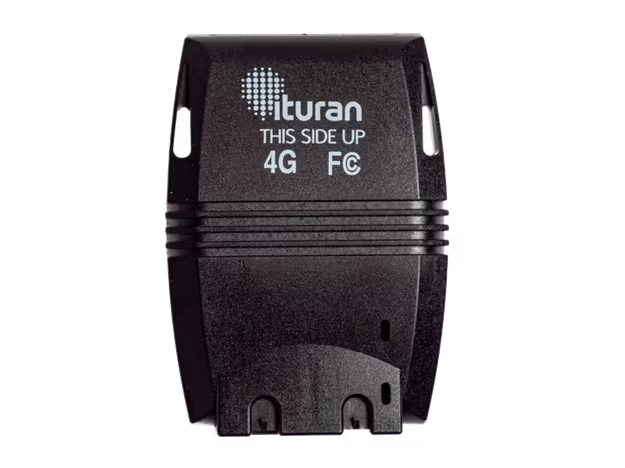
Payment Reminder (optional)
Parking Behavior Report
Accident Notification
Tow Alert
Impound Lots Monitor
Mileage Tracking
Special Relays for Faster Installation
Backup Battery
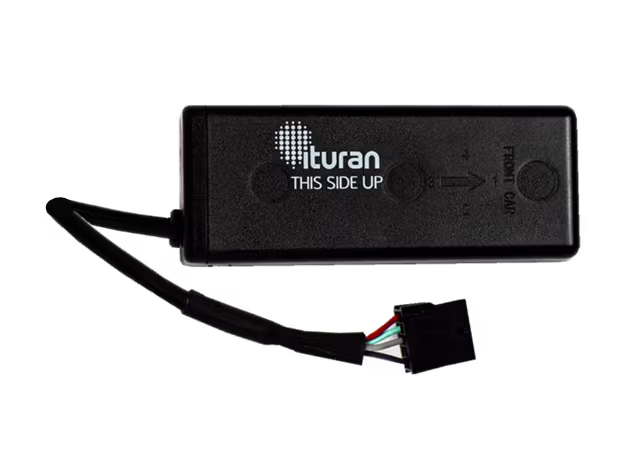
Accident Notification
Tow Alert
Impound Lots Monitor
Mileage Tracking
OBD Installation (optional)
Backup Battery
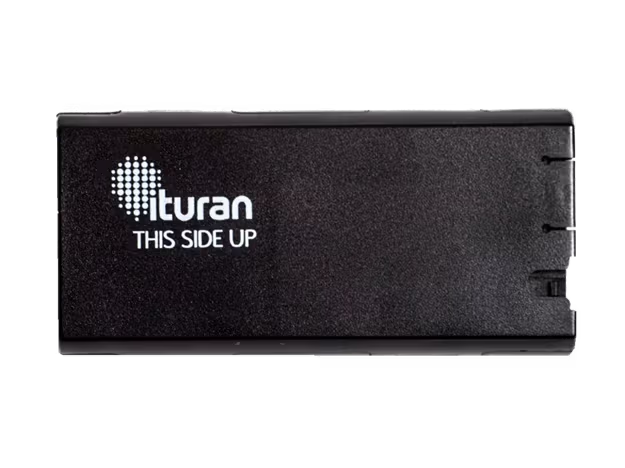
Cost Effective Device
Flexible Tracking Intervals
3 Year Battery Life
Unlock the full potential of your mobile workforce with a powerful and intuitive fleet monitoring system. Our technology provides the critical data needed to refine your daily operations, from dispatching the nearest vehicle to a job site to analyzing historical trip data for future planning. By tracking key metrics like idle time, speeding, and route deviations, you can build a more efficient and responsible team. Discover how our automotive telematics solutions can help you gain control, improve accountability, and drive business growth.




A Comprehensive Guide to Fleet GPS Route Tracking
Managing a fleet, whether it consists of a few service vans or hundreds of commercial trucks, presents a unique set of logistical hurdles. From ensuring timely deliveries to managing fuel costs and driver safety, fleet managers are tasked with optimizing a multitude of moving parts. GPS route tracking technology has emerged as an indispensable tool for businesses, offering a clear and detailed view of their mobile assets. This powerful system goes far beyond basic navigation, providing a wealth of data that can be used to dramatically improve every facet of fleet operations. It is a cornerstone of modern fleet management gps tracking, enabling businesses to operate with greater precision and intelligence.
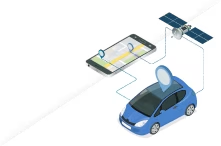
At its core, a GPS route tracking system uses a combination of hardware (a tracking device installed in each vehicle) and software (a web-based or mobile platform) to collect and display location data in real time. This allows managers to see precisely where every vehicle is at any given moment. However, the true value lies in the system's ability to record, store, and analyze this data over time, providing deep insights into route efficiency, driver behavior, and vehicle utilization.
The Transformative Benefits of Route Tracking Technology
Implementing a GPS tracking solution offers tangible returns across your entire organization. By turning raw data into actionable intelligence, you can make strategic decisions that positively impact efficiency, safety, and profitability. Below are some of the most significant advantages that businesses experience.
- Enhanced Route Optimization: See the exact paths your drivers take each day. With fleet route history reports, you can identify inefficient routes, unauthorized detours, and excessive stop times. This information allows you to plan more direct and efficient routes, saving time and mileage on every trip. The result is more jobs completed per day and lower operational costs.
- Significant Fuel Cost Reduction: Fuel is one of the largest expenses for any fleet. GPS tracking helps mitigate this cost by monitoring and reducing idle time, eliminating speeding, and routing vehicles more effectively. By addressing these key areas of fuel waste, companies often see a substantial decrease in their monthly fuel expenditure.
- Improved Driver Safety and Performance: A robust system for driver behavior monitoring is crucial for fostering a culture of safety. Track metrics such as harsh braking, rapid acceleration, and speeding incidents. This data allows you to identify at-risk drivers and provide targeted coaching. It also promotes accountability, as drivers are aware their performance is being monitored.
- Better Customer Service and Satisfaction: With real-time vehicle location data, you can provide customers with highly accurate estimated times of arrival (ETAs). In case of a delay, you can proactively communicate with the customer and dispatch the nearest available vehicle if necessary. This level of transparency and responsiveness builds customer trust and loyalty.
- Increased Asset Security: Your vehicles are valuable assets. GPS tracking provides an essential layer of security. Features like geofencing allow you to set virtual boundaries and receive immediate alerts if a vehicle enters or exits a designated area outside of working hours. In the unfortunate event of theft, the tracking device enables much faster stolen vehicle recovery.
- Proactive Vehicle Maintenance: Advanced systems can track engine hours and mileage to help you automate maintenance schedules. Receive alerts when a vehicle is due for service, such as an oil change or tire rotation. This proactive approach helps prevent costly breakdowns, extends the life of your vehicles, and minimizes downtime.
Essential Features of a Modern Fleet Tracking Platform
When evaluating fleet gps tracking solutions, it is important to look for a platform that offers a comprehensive set of features tailored to the needs of modern businesses. While real-time tracking is the foundation, a truly effective system will provide a range of tools to help you manage your fleet holistically.
Look for a system that includes a user-friendly dashboard that presents key performance indicators at a glance. Customizable reports are also essential, allowing you to drill down into specific data points, such as trip history, idle time summaries, and driver safety scorecards. Geofencing is another critical feature, enabling you to create virtual perimeters around job sites, customer locations, or office yards, and trigger alerts based on vehicle movement. Finally, a robust mobile app is crucial for managers who need to monitor their fleet while away from their desks. To learn more about our specific product offerings, please contact us for a detailed consultation.
Frequently Asked Questions About GPS Fleet Tracking
How does GPS route tracking improve fuel efficiency?
GPS tracking systems improve fuel efficiency in several ways. They allow you to monitor and reduce engine idling, which needlessly burns fuel. They also track speeding, as driving at higher speeds significantly increases fuel consumption. Most importantly, by analyzing route history, you can plan more direct and efficient routes, cutting down on unnecessary mileage and saving fuel on every trip your vehicles make.
Can I monitor driver behavior with these systems?
Yes, driver behavior monitoring is a core feature of modern fleet management systems. The GPS device can detect and report on unsafe driving habits such as harsh braking, rapid acceleration, sharp cornering, and speeding. This data can be compiled into driver scorecards, allowing you to identify areas for improvement and implement targeted safety training to create a safer fleet.
What is geofencing and how is it used in fleet management?
Geofencing is a feature that allows you to create virtual boundaries around real-world geographic areas. For fleet management, you can set geofences around job sites, customer locations, or restricted zones. The system can then automatically send you alerts via email or text message whenever a vehicle enters or exits one of these predefined areas, helping you track arrivals, departures, and unauthorized vehicle use.
Is the tracking data collected by the system secure?
Reputable fleet tracking providers prioritize data security. The data is transmitted from the vehicle to secure, cloud-based servers using encryption. Access to the tracking platform is password-protected, and administrators can typically set different permission levels for various users within their organization, so that sensitive information is only available to authorized personnel. We encourage you to review our privacy policy for more information.
How difficult is it to install and implement a GPS tracking system?
The installation process varies depending on the type of device. Some are simple plug-and-play units that connect to the vehicle's OBD-II port, which can be done in minutes without a professional. Others are hardwired devices that may require a professional installer for a more covert and secure fitment. The software side is typically web-based and intuitive, with most providers offering onboarding support and training to help your team get up and running quickly.