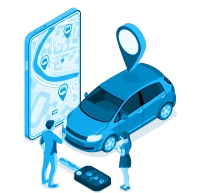
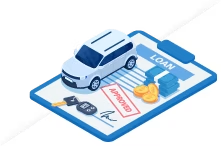
When you are exploring financing options for your next vehicle, you may encounter the topic of GPS tracking devices. It is a common and important tool in the auto finance industry, particularly for dealerships that provide in-house lending solutions or work with a wide range of credit profiles. These small, professionally installed devices are primarily used by lenders to manage the risk associated with an auto loan. By maintaining a connection to the vehicle, which serves as collateral for the loan, finance companies can protect their assets. This practice is not just about asset protection; it also plays a crucial role in expanding financing opportunities. For many prospective buyers, the use of a GPS vehicle tracking system can be the key that unlocks the door to getting pre-approved for a loan and driving home in a quality used car. Understanding how and why these systems are used provides clarity and confidence in the car-buying process.
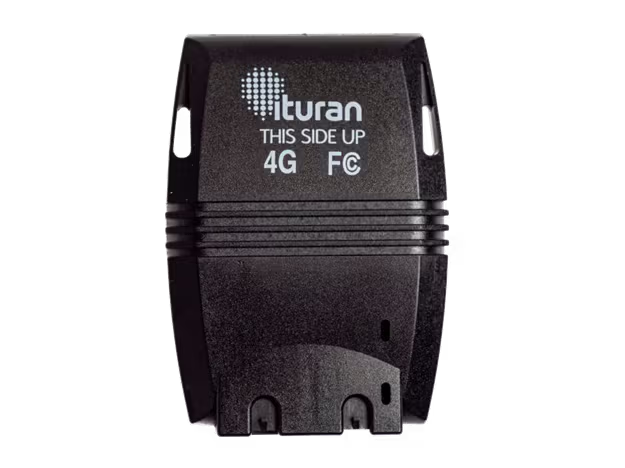
Payment Reminder (optional)
Parking Behavior Report
Accident Notification
Tow Alert
Impound Lots Monitor
Mileage Tracking
Special Relays for Faster Installation
Backup Battery
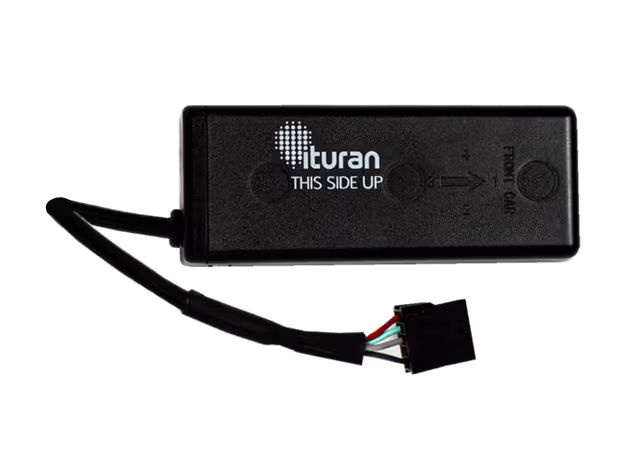
Accident Notification
Tow Alert
Impound Lots Monitor
Mileage Tracking
OBD Installation (optional)
Backup Battery
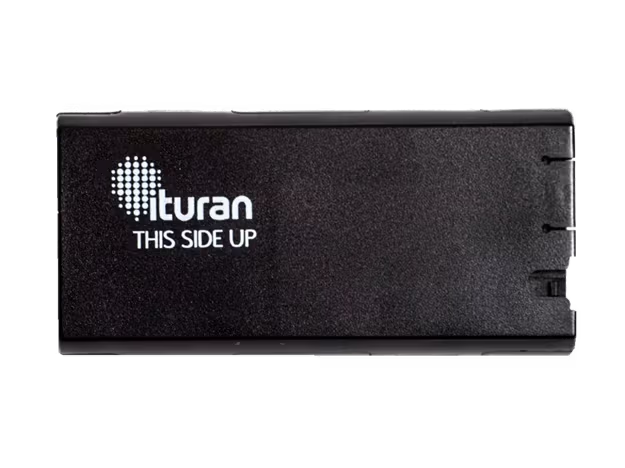
Cost Effective Device
Flexible Tracking Intervals
3 Year Battery Life
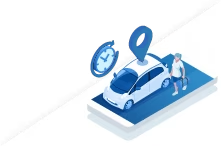
The implementation of GPS tracking technology is a straightforward and transparent part of the financing agreement. It offers a dual benefit: lenders gain a reliable method for vehicle collateral monitoring, and you, the buyer, may gain access to more flexible loan terms. This technology serves as a bridge, creating a secure transaction that works for both parties. It provides peace of mind through enhanced vehicle security, including faster stolen vehicle recovery, which can be a valuable feature for any car owner.



A Deeper Look into GPS Technology in Auto Finance
GPS tracking systems are a foundational component of modern auto lending, especially within the Buy-Here-Pay-Here (BHPH) and subprime financing sectors. For anyone navigating the process of securing an auto loan, especially if you have a complex credit history, it is beneficial to understand the role these devices play. The primary purpose of a GPS device on a financed vehicle is to serve as a risk mitigation tool for the lender. The vehicle itself is the collateral that secures the loan, and if a borrower defaults on payments, the lender needs a reliable way to locate and recover that asset. This is where BHPH GPS tracking systems become invaluable, reducing the financial risk for the dealership or finance company.
This reduction in risk is what allows many lenders to say "yes" to more applicants. By securing their investment, they can extend credit to individuals who might not qualify for a traditional bank loan. The process is always handled with complete transparency. If a vehicle is equipped with a tracking device, this will be fully disclosed in your financing paperwork. We encourage you to review all documents and ask questions, and our team is always here to help you understand every aspect of your agreement. You can learn more about the documents needed for financing on our how it works page.
Key Features and Borrower Benefits
Modern GPS tracking devices for vehicles offer more than just location data. Many are equipped with advanced features that can benefit both the lender and the vehicle owner. Understanding these features provides a clearer picture of their function.
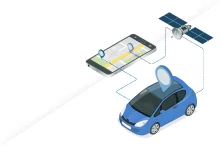
- Stolen Vehicle Recovery: This is one of the most significant benefits for you as the owner. If your car is ever stolen, the GPS tracker can provide its real-time location to law enforcement, dramatically increasing the chances of a quick and safe recovery. This feature offers immense peace of mind.
- Payment Reminders: Some devices can be programmed to provide audible in-car alerts when a payment due date is approaching. These serve as helpful, non-intrusive reminders to help you stay on track with your loan agreement and protect your credit score.
- Starter Interrupt Technology: In cases of serious loan delinquency, and as a last resort, some GPS systems include a starter interrupt feature. This technology allows the lender to remotely prevent the vehicle from starting. It is a tool used for collateral recovery and is only activated according to the terms of the loan agreement and in compliance with state regulations.
While these features are designed to protect the lender's asset, they also contribute to a structured and accountable financing environment. This structure is what enables us to offer financing solutions to a broader community of drivers. If you're ready to see what options may be available to you, we invite you to get pre-approved online today.
Transparency, Privacy, and Legal Compliance
We believe in complete transparency, and that principle extends to our use of GPS technology. The privacy and trust of our customers are paramount. The use of a GPS tracking device is explicitly and clearly disclosed in the retail installment contract that you sign when purchasing a vehicle. There are no hidden devices or secret tracking; you will be fully aware of the device's presence and function before you finalize your purchase.
The data collected by these devices is strictly limited and used for legitimate business purposes related to servicing your loan. This typically includes the vehicle's location for asset recovery purposes. We adhere to all federal and state laws governing the use of electronic tracking devices and the protection of consumer data. Our commitment to ethical practices is unwavering, and we handle your information with the highest level of security and confidentiality, as outlined in our privacy policy. Our goal is to build lasting relationships with our customers, and that begins with trust and clear communication. If you have any specific concerns, please do not hesitate to contact us directly.
Frequently Asked Questions
Is it legal to put a GPS tracker on a financed car?
Yes, it is legal for a lender to install a GPS tracking device on a vehicle that is being used as collateral for a loan. However, this must be fully disclosed to the buyer in the financing contract. The use of these devices is governed by state and federal laws, and reputable lenders always operate in full compliance with these regulations.
Will a GPS tracking device drain my car's battery?
Professionally installed, high-quality GPS devices are designed to have a minimal impact on the vehicle's battery. They draw a very small amount of power, similar to a digital clock, and feature low-power or "sleep" modes when the vehicle is not running. In a vehicle that is driven regularly with a healthy battery, the device's power consumption is negligible.
What information does the GPS tracker collect?
The primary information collected by the device is the vehicle's geographic location. This is used for asset protection and recovery in the event of loan default or theft. The devices do not record conversations or collect personal data from inside the vehicle. All data is handled securely and used only for purposes directly related to the administration of your auto loan.
Can I remove the GPS tracking device myself?
No, you should not attempt to remove or tamper with the GPS device. These units are the property of the finance company until the loan is paid in full. Tampering with or removing the device is a violation of your financing agreement and can lead to serious consequences, including the immediate repossession of the vehicle or legal action.
What happens to the device after my loan is paid off?
Once you have successfully paid off your auto loan in its entirety, you own the vehicle outright. At that point, you can contact the lender to have the GPS device professionally removed or disabled. Procedures may vary, so it is best to confirm the process with the finance company upon completion of your loan.
Does every financed car have a GPS tracker installed?
No, not every financed vehicle has a GPS tracker. The use of these devices is most common in subprime, in-house, or Buy-Here-Pay-Here financing situations where the lender assumes a higher level of risk. For buyers with strong credit obtaining loans from traditional banks or credit unions, a GPS device is typically not required.