
Investing in a GPS tracking system is a critical step for any business that relies on a fleet of vehicles. Whether you manage a Buy Here Pay Here dealership, an auto finance company, or a service-based business with multiple company cars, understanding the pricing structure is key to maximizing your return on investment. The cost of automotive GPS tracking systems involves more than just the hardware; it encompasses software subscriptions, feature sets, and support services. This guide will demystify the pricing models associated with GPS tracking, helping you evaluate the total cost of ownership. By understanding the factors that influence pricing, you can select a solution that not only fits your budget but also provides the powerful tools you need to protect your assets, improve operational efficiency, and mitigate risk. Explore our comprehensive breakdown to make a well-informed decision for your business needs.
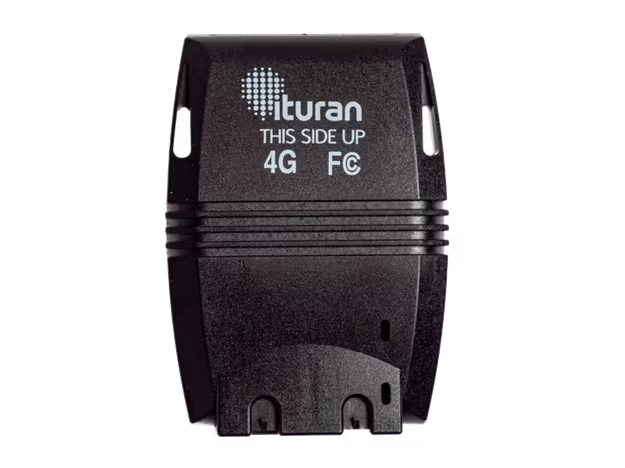
Payment Reminder (optional)
Parking Behavior Report
Accident Notification
Tow Alert
Impound Lots Monitor
Mileage Tracking
Special Relays for Faster Installation
Backup Battery
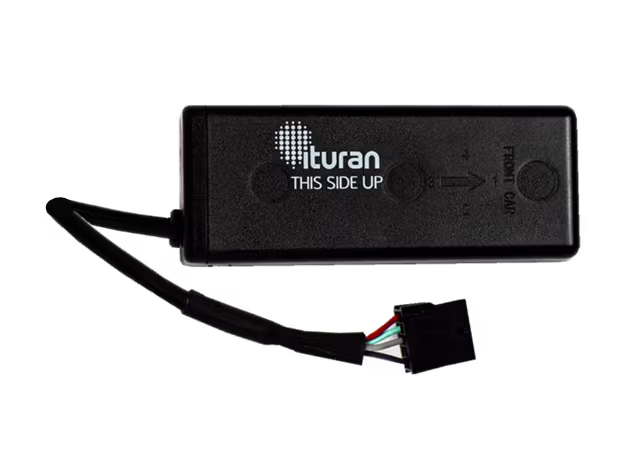
Accident Notification
Tow Alert
Impound Lots Monitor
Mileage Tracking
OBD Installation (optional)
Backup Battery
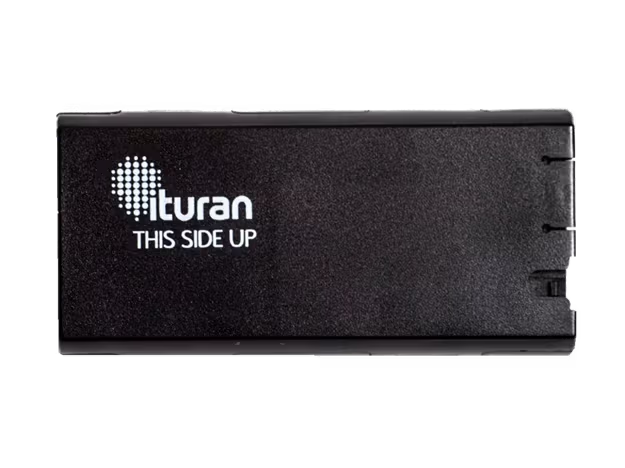
Cost Effective Device
Flexible Tracking Intervals
3 Year Battery Life
Choosing the right GPS tracking solution for your business is a significant decision. The initial cost is just one piece of the puzzle. A comprehensive system provides ongoing value through enhanced vehicle security, improved driver accountability, and streamlined operations. Our detailed analysis below breaks down every component of pricing, from hardware and installation to monthly service fees and advanced features. This will empower you to compare providers effectively and find a scalable solution that grows with your enterprise.



A Comprehensive Breakdown of GPS Tracking Pricing Models
When exploring GPS tracking systems for your business vehicles, you will discover that pricing is not one-size-fits-all. Companies structure their costs in various ways, and understanding these models is the first step toward finding a solution that aligns with your financial strategy. Most pricing plans are a combination of hardware costs and recurring software or data fees. Let's delve into the most common structures you will encounter in the market.
- Upfront Hardware Purchase with Monthly Subscription: This is a traditional model where you buy the GPS tracking devices outright. This initial investment can range from fifty to several hundred dollars per unit, depending on its complexity. Afterward, you pay a recurring monthly fee for data connectivity, software access, customer support, and platform features. This approach can lead to a lower total cost over a long period.
- Bundled Pricing (Hardware Included): Some providers, particularly those offering long-term contracts, bundle the cost of the hardware into the monthly subscription fee. You might see this marketed as "free hardware." While this eliminates the large upfront expense, the monthly fee is typically higher to cover the cost of the device over the contract term. This is a popular option for businesses that prefer a predictable, operational expense.
- Hardware Leasing: Similar to bundled pricing, this model allows you to lease the hardware instead of purchasing it. You pay a monthly fee that covers both the device rental and the service subscription. At the end of the term, you may have the option to return the hardware or upgrade to newer technology. This keeps initial costs low and provides technological flexibility.
Key Factors That Influence the Cost of Business GPS Tracking
The final price you pay for a vehicle GPS tracking service is influenced by several variables. Being aware of these factors will help you budget accurately and negotiate a package that meets your specific operational requirements without overspending on unnecessary features.
Hardware Type and Features
The physical device installed in the vehicle is a primary cost driver. Basic devices offer real-time location tracking, while more advanced units come with a suite of powerful features that increase the price. For auto dealerships and lenders, features like a starter interrupt or starter disable are essential for risk management and asset recovery, making those devices more expensive. Other hardware considerations include:
- Hardwired vs. Plug-and-Play: Hardwired units are installed discreetly within the vehicle's dashboard and are more tamper-resistant, often preferred for asset protection. Plug-and-play devices connect to the vehicle's OBD-II port, are easy to install, but also easier to remove.
- Battery Life: Devices for tracking trailers or other unpowered assets rely on long-life batteries, which can affect their cost.
- Sensors and Integrations: Advanced hardware can include sensors for monitoring temperature, door status (open/closed), or integrate with other vehicle systems.
Software Subscription and Feature Tiers
The monthly subscription fee grants you access to the software platform where you can monitor your vehicles. Most GPS vehicle tracking software providers offer tiered plans. A basic plan might include standard location tracking and simple reporting. More expensive tiers unlock premium features that provide deeper insights and control:
- Update Frequency: How often the device's location is updated (e.g., every 5 minutes vs. every 30 seconds) can affect the data plan cost. Real-time updates are more expensive.
- Advanced Reporting and Analytics: In-depth reports on driver behavior, fuel consumption, idle time, and maintenance schedules are often part of higher-tier plans.
- Alerts and Geofencing: The ability to set up custom alerts for speeding, unauthorized use, or entering/exiting specific geographic zones (geofences) is a key feature that may be tiered.
- Driver Behavior Monitoring: Systems that track harsh braking, rapid acceleration, and speeding provide valuable data for safety and training but come at a higher price point.
Contract Length and Number of Vehicles
The scale of your operation and the length of your commitment play a significant role in pricing. Providers typically offer discounts for larger fleets, as the per-unit management cost decreases. Similarly, signing a longer contract (e.g., three years versus a month-to-month plan) can substantially reduce your monthly fee per vehicle. While no-contract options offer flexibility, they almost always come with a higher monthly rate and may require you to purchase the hardware upfront.
Tailored Solutions for Auto Dealerships, Lenders, and Fleets
Different industries have unique needs, and GPS tracking providers offer specialized solutions to meet them. For businesses in the automotive sales and finance space, GPS technology is a cornerstone of collateral and risk management.
For Buy Here Pay Here (BHPH) and used car dealerships, GPS tracking is indispensable. It provides the security needed to finance vehicles for customers with varying credit histories. A robust BHPH GPS tracking system with starter interrupt functionality and payment reminders helps manage collections and simplifies asset recovery if necessary. This technology directly protects the dealership's portfolio. Similarly, auto finance companies and lenders utilize these systems to monitor their collateral, reducing the financial risk associated with subprime auto loans.
For businesses managing a commercial or service fleet, the focus is on operational efficiency. Fleet GPS tracking solutions help with route optimization, fuel management, and dispatching. By monitoring driver behavior, companies can reduce wear and tear, improve safety, and potentially lower insurance premiums. The detailed reporting helps managers identify inefficiencies and make data-driven decisions to boost productivity and profitability.
Frequently Asked Questions About GPS Tracking Costs
What is the typical monthly cost for a business GPS tracking system?
The monthly cost per vehicle can vary widely, typically ranging from $15 to $45 or more. The final price depends on the hardware features, the software plan's capabilities, the frequency of location updates, and the length of your contract. Basic tracking plans are at the lower end, while advanced fleet management and risk mitigation solutions are at the higher end.
Are there hidden fees I should be aware of?
It is important to ask about all potential costs upfront. Some providers may charge activation fees, installation fees (if you use their technicians), early termination fees if you break a contract, or charges for technical support. Always request a detailed quote that itemizes all one-time and recurring charges before signing an agreement.
Do I have to sign a long-term contract?
Not always. While many providers offer lower monthly rates for long-term contracts (typically 1 to 3 years), some companies offer flexible month-to-month plans. These no-contract options usually come with a higher monthly fee and may require you to purchase the hardware at full price upfront, but they provide the flexibility to cancel at any time.
What is a starter interrupt feature and does it increase the cost?
A starter interrupt is a feature that allows you to remotely prevent a vehicle's engine from starting. It is a critical tool for auto lenders and BHPH dealers for asset recovery and collection management. Devices with this capability are more complex and generally cost more than basic location-only trackers, both in terms of hardware price and sometimes the monthly subscription.
How much does installation add to the overall price?
Installation costs can vary. Some simple plug-and-play devices that connect to the OBD-II port require no professional installation, saving you money. Hardwired devices, which are more secure and tamper-resistant, require professional installation. This can cost anywhere from $50 to $150 per vehicle, depending on the vehicle type and the complexity of the installation.
Helpful Links