
Unlock Powerful Insights with Vehicle Trip History
Understanding where your vehicle has been is more than just a line on a map; it is about security, efficiency, and peace of mind. Our advanced automotive GPS tracking systems provide detailed trip history reports that empower you with a complete historical view of vehicle activity. Whether you are a concerned parent monitoring a new driver, a business owner managing a fleet of vehicles, or a lender protecting valuable assets, these comprehensive reports offer invaluable data. You can review routes taken, stop locations, trip duration, and speed patterns, all accessible through an intuitive interface. This powerful automotive tracking technology transforms raw location data into actionable intelligence, helping you make informed decisions, improve safety, and enhance operational control. Explore our our services to see how this technology can benefit you.
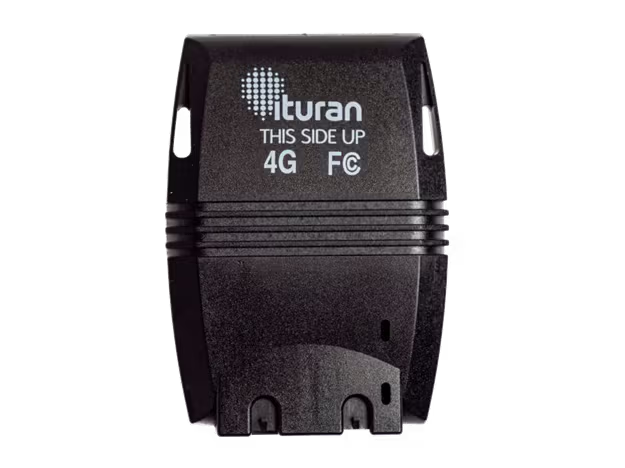
Payment Reminder (optional)
Parking Behavior Report
Accident Notification
Tow Alert
Impound Lots Monitor
Mileage Tracking
Special Relays for Faster Installation
Backup Battery
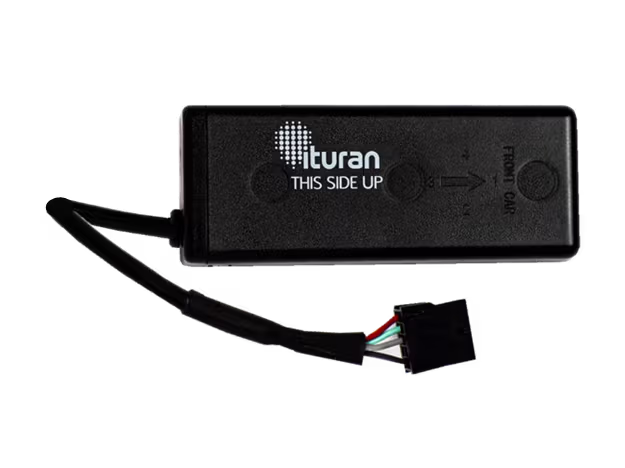
Accident Notification
Tow Alert
Impound Lots Monitor
Mileage Tracking
OBD Installation (optional)
Backup Battery
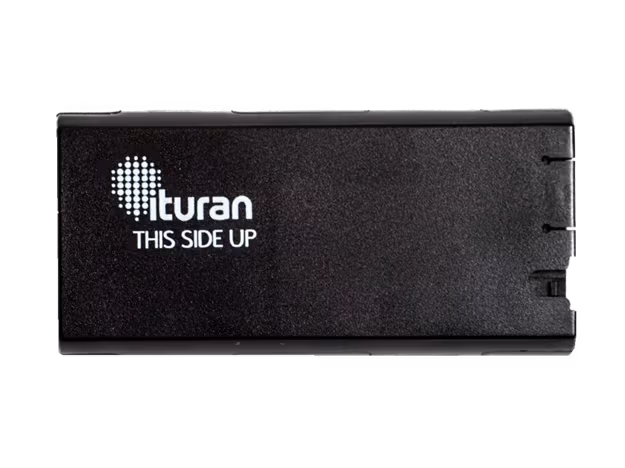
Cost Effective Device
Flexible Tracking Intervals
3 Year Battery Life
Harnessing the power of detailed trip logs gives you a strategic advantage. For businesses, this translates to optimized routes, reduced fuel consumption, and improved driver accountability. For personal use, it means an added layer of security against theft and a tool to encourage safer driving habits for your family. The ability to access and analyze historical travel data provides a clear and accurate record of every journey, putting you in complete command of your vehicle or entire fleet. With our Control It Product, managing your assets has never been more straightforward.


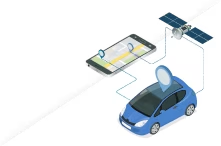


A Deep Dive into GPS Trip and Location History Reporting
In today's fast-paced world, information is a critical asset. For anyone who owns or manages vehicles, knowing their location is essential, but understanding their past movements can be even more powerful. This is where GPS tracking trip history reports come into play. These reports are detailed logs generated by a GPS tracking device for vehicles, providing a chronological record of every trip a vehicle has taken over a specific period. Unlike real-time tracking, which shows you where a vehicle is right now, trip history offers a complete narrative of its journey, delivering deep insights that are crucial for security, management, and operational analysis.
A standard trip history report typically includes a wealth of data points for each journey. This includes the start and end address, the exact time the ignition was turned on and off, the total distance traveled, the duration of the trip, the maximum speed reached, and the amount of time the vehicle spent idling. Advanced systems can even provide alerts for events like harsh braking, rapid acceleration, or entering and exiting predefined geographic areas (geofences). This data is compiled into an easy-to-read format, often overlaid on a map, allowing you to visualize the exact path taken. This level of detail is indispensable for businesses looking to enhance their fleet GPS tracking and for individuals seeking greater vehicle security.
Benefits for Fleet Management and Business Operations
For businesses that rely on a fleet of vehicles, trip history reports are a cornerstone of effective fleet management. They provide the visibility needed to streamline operations, reduce costs, and boost productivity. By analyzing historical route data, managers can identify inefficiencies, such as unnecessarily long routes or excessive downtime, and implement strategies for optimization. This data-driven approach helps lower fuel consumption, reduce vehicle wear and tear, and improve overall fleet efficiency.
- Verify Work and Improve Customer Service: Trip reports serve as indisputable proof of service. You can confirm that drivers arrived at a job site at the scheduled time and stayed for the appropriate duration, resolving potential customer disputes with accurate data.
- Enhance Driver Accountability and Safety: Monitoring driver behavior is simple with trip histories. Reports on speeding, harsh braking, and after-hours vehicle use help you identify and address risky driving habits, promoting a culture of safety and reducing liability. Our Drive It Product is specifically designed for this purpose.
- Streamline Payroll and Billing: Manually tracking hours and mileage is prone to error. GPS trip reports automate this process, providing precise data for payroll calculations and accurate client invoicing, saving administrative time and preventing inaccuracies.
- Investigate Incidents: In the event of an accident or vehicle issue, historical data provides a second-by-second account of the vehicle's speed and location leading up to the incident, which can be invaluable for insurance claims and internal investigations.
Key Applications for Dealerships and Auto Lenders
For used car dealerships, especially those offering in-house financing like Buy Here Pay Here (BHPH) programs, GPS tracking and trip history are fundamental tools for risk management. The ability to monitor a financed vehicle’s location history is critical for protecting the collateral that secures the loan. If a customer defaults on payments, the trip history can provide the last known locations and frequently visited areas, which is vital information for a smooth and efficient asset recovery process. This makes BHPH GPS tracking systems an essential part of the business model. Furthermore, features like geofencing can alert a dealer if a vehicle is taken out of state or enters an impound lot, allowing for proactive risk mitigation.
Peace of Mind for Personal Vehicle Owners
The benefits of trip history reports extend far beyond commercial use. For personal vehicle owners, this technology provides an unparalleled sense of security and control. You can use it to monitor the driving habits of a teen driver, ensuring they are adhering to speed limits and staying within approved areas. In the unfortunate event of vehicle theft, the trip history provides law enforcement with a detailed trail of the vehicle's movements, significantly increasing the chances of a successful vehicle recovery GPS tracking. It is also useful for simply remembering where you parked in a large lot or for tracking mileage for business expense reimbursement. This technology acts as a silent guardian for your valuable asset and your loved ones.
Frequently Asked Questions
What information is included in a GPS trip history report?
A typical trip history report includes the date and time of each trip, start and end locations, total distance driven, top speed reached, total travel time, and any instances of idling. More advanced reports may also include data on harsh acceleration or braking, geofence alerts, and ignition on or off events.
How long is trip history data stored?
The duration for which trip history data is stored can vary depending on the service provider and the specific plan you choose. Many systems store data for several months to a year, and some offer options for extended archival. It is important to check the data retention policy of any system you are considering. You can read our privacy policy for more information on data.
Can trip history reports help lower my insurance costs?
Some insurance companies offer discounts for vehicles equipped with GPS tracking systems, especially those that monitor driving behavior. By providing a record of safe driving habits, you may be able to qualify for lower premiums. Additionally, the anti-theft capabilities of these devices can also lead to insurance discounts.
Are these tracking systems difficult to install?
Most modern GPS tracking devices are designed for easy installation. Some are simple plug-and-play units that connect to the vehicle's OBD-II port, while others are hardwired for a more discreet and permanent setup. We recommend professional installation for hardwired devices to ensure proper function without interfering with the vehicle's electrical system.
Is it legal to use a GPS tracker on a vehicle?
Generally, it is legal to use a GPS tracking device on a vehicle that you own. For businesses tracking company vehicles, it is a common and legal practice, though it is often advisable to inform employees. For lenders, tracking a vehicle that serves as collateral for a loan is typically permissible as outlined in the financing agreement. However, laws can vary by state, so it is always wise to understand local regulations or contact us for clarification.