
Investing in a GPS vehicle recovery service is a proactive step toward protecting one of your most valuable assets. Whether you are an individual owner concerned about theft or a business managing a fleet or loan portfolio, understanding the associated costs is crucial. The price of these systems is not a single number but a combination of factors, including the hardware device itself, potential installation charges, and recurring subscription fees for data and monitoring services. The sophistication of the technology, such as real-time tracking capabilities, geofencing alerts, and remote starter-disable features, also plays a significant role in the overall expense. By exploring these components, you can better evaluate the total cost of ownership and determine which GPS tracking solution aligns with your security needs and budget, providing invaluable peace of mind and asset protection.
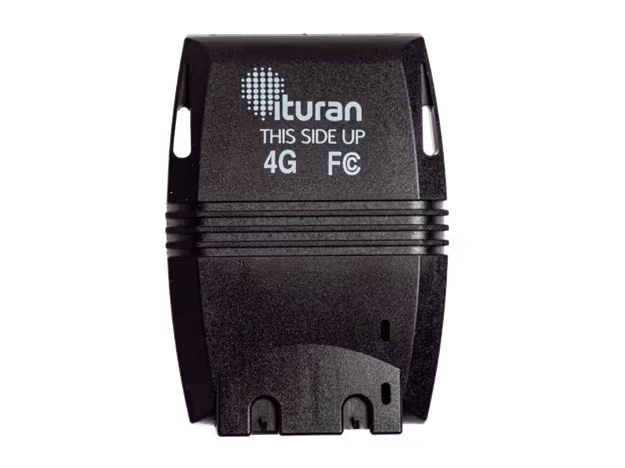
Payment Reminder (optional)
Parking Behavior Report
Accident Notification
Tow Alert
Impound Lots Monitor
Mileage Tracking
Special Relays for Faster Installation
Backup Battery
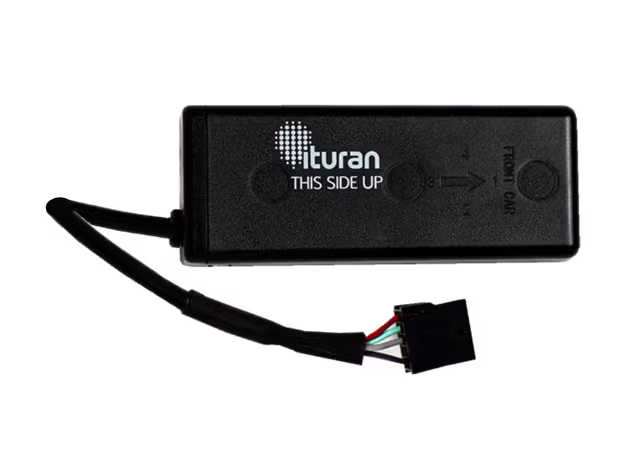
Accident Notification
Tow Alert
Impound Lots Monitor
Mileage Tracking
OBD Installation (optional)
Backup Battery
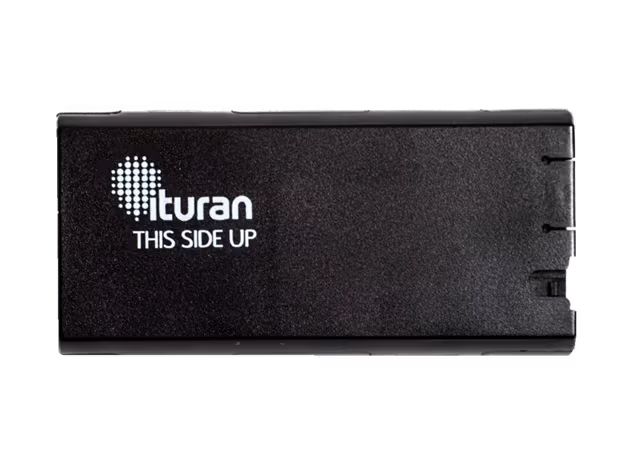
Cost Effective Device
Flexible Tracking Intervals
3 Year Battery Life
While the initial and ongoing costs are an important consideration, the value derived from a GPS vehicle recovery system often far outweighs the expense. For individuals, it represents a powerful tool against theft, potentially increasing the chances of getting your car back quickly. For businesses, such as those in the auto finance industry or with a fleet of commercial vehicles, the return on investment is even more pronounced. These systems are essential for risk management, helping to secure collateral and streamline the repossession prevention process. They provide critical data that enhances operational efficiency and protects your bottom line.



Deconstructing the Price of GPS Vehicle Recovery Systems
When you begin researching the cost of a GPS vehicle recovery service, you will quickly find that there is no one-size-fits-all price tag. The total investment is typically spread across three primary categories: hardware, installation, and subscription services. Understanding each of these components is the first step toward building a clear budget and selecting a system that meets your requirements without unnecessary expense.
- Hardware Cost: This is the one-time expense for the physical GPS tracking device. Prices for hardware can vary dramatically based on the unit's features and capabilities. A basic location-pinging device will be on the lower end of the cost spectrum. More advanced units that offer real-time, second-by-second tracking, starter-interrupt functionality, driver behavior monitoring, and impact detection will command a higher price. For dealerships and lenders, specialized BHPH GPS tracking devices are designed for durability and discreet installation.
- Installation Fees: Some GPS trackers are simple plug-and-play units that connect to a vehicle's OBD-II port, requiring no professional installation. However, for a more secure and discreet setup, a hardwired installation is recommended. This involves connecting the device directly to the vehicle's power source and hiding it from plain sight. Professional installation costs can vary depending on the vehicle's make and model and the complexity of the tracker being installed. While it adds to the upfront cost, professional installation can be a worthwhile investment for security and reliability.
- Subscription or Service Fees: The ongoing cost for a GPS tracking system is the subscription fee. This monthly or annual payment covers the cellular data the device uses to transmit its location and other information back to the tracking platform. It also pays for access to the software platform or mobile app where you can view your vehicle's location, set up alerts, and run reports. Service plans are often tiered based on the frequency of location updates (e.g., every 5 minutes vs. every 10 seconds) and the number of features you can access.
Key Factors That Influence the Overall Cost
Beyond the three core cost components, several variables can influence the final price you pay for a GPS vehicle recovery service. As you compare different vehicle GPS tracking companies, it is important to consider how these factors apply to your specific situation.
Device Features and Technology: The single biggest driver of cost is the technology packed into the GPS unit. A system designed solely for stolen vehicle recovery might be more affordable than a comprehensive fleet management solution. Key features that impact price include:
- Real-Time Tracking: The ability to see your vehicle's exact location as it moves is a premium feature compared to systems that only update its position periodically.
- Starter Interrupt/Disable: This feature allows an authorized user (like a lender or recovery agent) to remotely prevent a vehicle from starting, which is invaluable for collateral recovery and theft prevention.
- Geofencing and Alerts: Setting up virtual boundaries and receiving instant notifications via text or email when a vehicle enters or exits them is a powerful tool for monitoring and security.
- Driver Behavior Monitoring: For commercial fleets, tracking metrics like speeding, harsh braking, and rapid acceleration adds complexity and cost but provides data for improving safety and efficiency.
Number of Vehicles: Most providers offer volume discounts. Tracking a single personal car will have a different per-unit cost than outfitting a large commercial fleet or an entire dealership's inventory. When requesting a quote, be sure to specify the total number of vehicles you intend to monitor, as this can significantly reduce your per-device hardware and subscription costs.
Contract Length and Service Level: Many GPS service providers operate on a contract basis. Committing to a longer-term contract (e.g., two or three years) can often lower your monthly subscription fee. Additionally, the level of customer support you require can affect the price. Basic email support will be less expensive than a plan that includes 24/7 live phone support and a dedicated account manager.
Choosing the Right System for Your Needs
The "best" GPS recovery system is the one that fits your specific use case. A parent wanting to monitor a teen driver has different needs than an auto lender managing a subprime loan portfolio.
- For Personal Use: Individual car owners are typically focused on theft recovery. A simple, reliable system with real-time location tracking and a mobile app is often sufficient. Features like geofencing can add peace of mind by alerting you if your car is moved from your home or workplace without authorization.
- For Auto Dealerships and Lenders: Buy Here Pay Here (BHPH) dealerships and auto finance companies require more robust solutions. For them, a GPS tracker is a critical tool for risk management. The priority is a vehicle collateral monitoring system with features like reliable starter-interrupt, detailed location history, and impound lot alerts. The ability to integrate the tracking platform with a Dealer Management System (DMS) is also a significant advantage.
- For Commercial Fleets: Businesses with multiple vehicles, from delivery vans to service trucks, use GPS tracking to improve more than just security. Fleet telematics solutions provide data on fuel consumption, route efficiency, driver productivity, and maintenance schedules. While the cost is higher, the potential for operational savings and improved efficiency provides a strong return on investment.
Ultimately, understanding the cost of a GPS vehicle recovery service is about balancing features, reliability, and budget. By breaking down the expenses and identifying your primary needs, you can select a provider and a plan that delivers powerful asset protection and valuable data. For more information on our specific offerings, please visit our services page or contact our team today.
Frequently Asked Questions
What is the average monthly cost for a GPS vehicle tracking service?
The monthly subscription cost for a GPS vehicle tracking service can vary widely, typically ranging from $15 to $40 per vehicle. The price depends heavily on the features included, such as the frequency of location updates (e.g., every 2 minutes vs. every 10 seconds), real time tracking capabilities, and access to advanced features like driver behavior monitoring or starter-disable functions. Plans for large commercial fleets may have a lower per-vehicle cost due to volume pricing.
Does a GPS tracker require a professional installation?
Not always. Some GPS trackers are plug and play devices that connect directly to a vehicle's OBD-II port, which can be done by the owner in minutes. However, for stolen vehicle recovery and asset protection, a hardwired installation is highly recommended. This process connects the device directly to the vehicle's wiring and conceals it, making it much more difficult for a thief to find and disable. Professional installation adds an upfront cost but provides a higher level of security.
How does a starter interrupt feature work on a vehicle tracker?
A starter interrupt, also known as a starter disable, is a feature that allows an authorized user to remotely prevent a vehicle from being started. The GPS device is wired into the vehicle's starter circuit. When the disable command is sent from the tracking platform, the device opens the circuit, interrupting the flow of electricity to the starter. The engine will not crank until the command is reversed. This is a common tool used by auto lenders for collateral recovery.
Can a GPS tracking device drain my car's battery?
Modern, high-quality GPS tracking devices are designed to be extremely energy-efficient and draw a very minimal amount of power from the vehicle's battery, similar to the car's clock. Many advanced trackers also have a "sleep mode" where they power down when the vehicle is stationary for an extended period, further conserving energy. For a healthy car battery, the power draw from a GPS unit is negligible and should not cause any issues.
Are there contracts required for GPS tracking services?
Many GPS tracking providers, especially for business and fleet applications, operate on a contract basis. Contract lengths of one to three years are common. Agreeing to a longer contract term can often result in a lower monthly subscription fee and sometimes a reduced price on the hardware. However, some companies also offer month to month or no contract options, particularly for individual or personal use, which provide more flexibility but may come at a slightly higher monthly cost.