
Modern driving technology offers more than just navigation and entertainment; it provides powerful tools for enhancing safety and vehicle longevity. Aggressive driving alerts are a key feature of advanced automotive GPS tracking systems, designed to monitor and report on unsafe or inefficient driving habits. These systems use sophisticated sensors to detect events like harsh braking, rapid acceleration, excessive speeding, and sharp cornering. By flagging these behaviors, the technology provides vehicle owners and fleet managers with actionable insights. This information is invaluable for coaching new drivers, improving the safety of a commercial fleet, and promoting driving habits that reduce wear and tear on brakes, tires, and suspension components. Understanding how these alerts function is the first step toward creating a safer driving environment and protecting your automotive investment. Explore our our services to learn more about the solutions we offer.
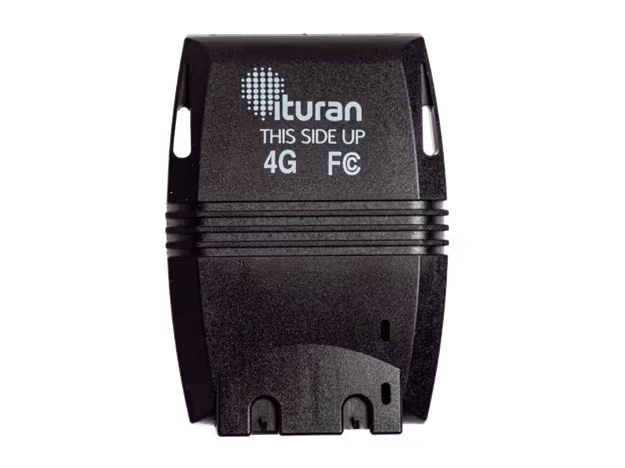
Payment Reminder (optional)
Parking Behavior Report
Accident Notification
Tow Alert
Impound Lots Monitor
Mileage Tracking
Special Relays for Faster Installation
Backup Battery
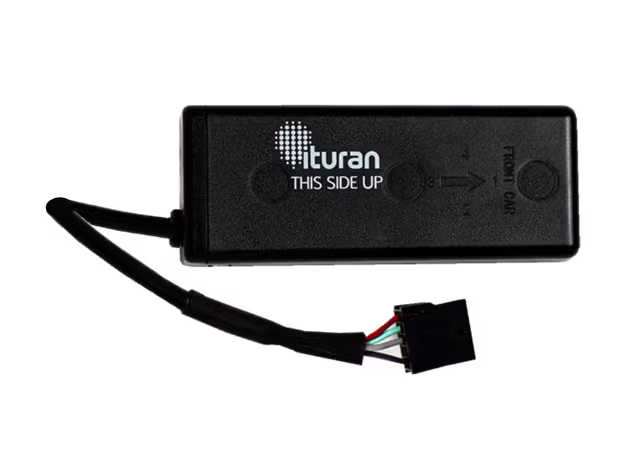
Accident Notification
Tow Alert
Impound Lots Monitor
Mileage Tracking
OBD Installation (optional)
Backup Battery
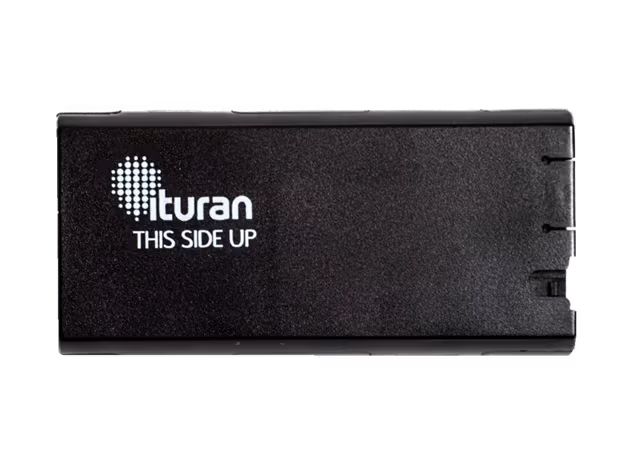
Cost Effective Device
Flexible Tracking Intervals
3 Year Battery Life
Implementing a system with aggressive driving alerts offers significant peace of mind. For parents with a teen driver, it provides a way to monitor their safety on the road without being in the passenger seat. For business owners, driver behavior monitoring fosters a culture of accountability and safety, potentially lowering operational costs and insurance premiums. These intelligent alerts act as a virtual co-pilot, notifying you of concerning events so you can address them proactively. It is a modern solution for protecting your most valuable assets: your family and your vehicles.





A Deeper Look into Aggressive Driving Alerts
Aggressive driving is a major contributor to traffic accidents and puts unnecessary stress on a vehicle's mechanical parts. While many people associate it with road rage, the term also encompasses a range of specific, measurable actions that increase risk and operational costs. Technology has evolved to precisely identify these habits through advanced automotive telematics solutions. These systems provide objective data that can transform how individuals, families, and businesses approach driver safety and vehicle management.
What Behaviors Trigger an Alert?
Driver monitoring systems are calibrated to identify specific G-force events and speed violations that fall outside the parameters of normal, defensive driving. The goal is not to penalize drivers for occasional sudden stops in traffic, but to identify patterns of risky behavior. The most common triggers include:
- Harsh Braking: Slamming on the brakes, which can indicate tailgating or distracted driving.
- Rapid Acceleration: Flooring the gas pedal from a stop or slow speed, which wastes fuel and strains the drivetrain.
- Excessive Speeding: Traveling above a preset speed limit, which is a leading cause of accidents.
- Hard Cornering: Taking turns at high speeds, which increases the risk of a rollover and causes excessive tire wear.
The Technology Behind the Alerts
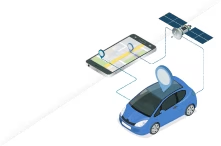
The core of any driving behavior monitoring system is a sophisticated GPS tracking device for vehicles equipped with an array of sensors. The primary components are the GPS receiver and a multi-axis accelerometer. The GPS receiver tracks the vehicle's location, speed, and direction in real time. The accelerometer measures G-force, detecting sudden changes in momentum. When the vehicle brakes, accelerates, or corners too aggressively, the accelerometer registers a force that exceeds a predefined threshold. The device's internal logic interprets this data as an aggressive driving event. It then transmits this information, along with the time, date, and location, via a cellular network to a secure server. From there, an alert can be instantly sent to a designated recipient through email, SMS text message, or a push notification on a mobile app.
Wide-Ranging Benefits of Driver Monitoring
The advantages of using a system that provides aggressive driving alerts extend far beyond simple notifications. They create a foundation for significant improvements in safety, cost savings, and operational efficiency.
Enhancing Driver and Public Safety
For parents of teen drivers, these alerts offer an invaluable safety net. They provide concrete data points that can be used for constructive coaching conversations about responsible driving. In a commercial setting, utilizing fleet driver safety software helps reduce accident rates, which in turn protects employees, the public, and the company's reputation. By addressing risky habits proactively, fleet managers can prevent incidents before they happen.
Reducing Operating and Maintenance Costs
Aggressive driving is expensive. Constant hard braking wears down brake pads and rotors prematurely. Rapid acceleration consumes significantly more fuel. Hard cornering scrubs rubber from tires, shortening their lifespan. By encouraging a smoother driving style, these systems directly contribute to lower maintenance bills and improved fuel economy, delivering a tangible return on investment for any business that operates a fleet of vehicles.
Asset Protection and Lender Risk Management
For auto lenders and Buy Here Pay Here dealerships, monitoring driver behavior is a crucial aspect of risk management. A vehicle that is driven aggressively is more likely to be involved in an accident or suffer a major mechanical failure, which devalues the collateral securing a loan. The data from these systems provides an early warning of potential risks, allowing lenders to take appropriate action. Furthermore, the GPS functionality is essential for asset recovery, providing the precise location of a vehicle if necessary. This capability is vital for services like BHph vehicle recovery GPS.
Applications Across Different Scenarios
The versatility of aggressive driving alert systems makes them suitable for a variety of users. A small business with a few delivery vans can use the technology to improve efficiency and employee accountability. A large commercial fleet can integrate the data into comprehensive safety programs and performance reviews. An individual who wants to become a better, more economical driver can use the feedback to refine their own habits. The core technology provides value whether you are managing one vehicle or one thousand. If you need help with your system, our support team is always available, and you can learn more about our company's mission on our about us page.
What is an aggressive driving alert?
An aggressive driving alert is an instant notification sent from a vehicle's GPS telematics device to a designated user via email, text, or a mobile app. This alert is triggered when the device's internal sensors, such as an accelerometer, detect actions like harsh braking, rapid acceleration, speeding, or hard cornering that exceed preset safety thresholds.
How does a system detect harsh braking or acceleration?
These systems use a built-in accelerometer to measure changes in the vehicle's velocity, also known as G-force. When a driver brakes or accelerates suddenly, the accelerometer registers a significant spike in G-force. If this force surpasses a pre-configured limit, the device records it as a harsh driving event and transmits the data to generate an alert.
Can these systems help lower my insurance premium?
Many insurance companies offer usage-based insurance (UBI) programs that may provide discounts to drivers who demonstrate safe driving habits. The data collected by a driver behavior monitoring system, such as infrequent instances of speeding or harsh braking, can sometimes be used to qualify for these potential savings. It is best to check directly with your insurance provider about their specific programs and requirements.
Are aggressive driving alerts sent in real time?
Yes, one of the key features of modern driver monitoring systems is the ability to provide real-time alerts. As soon as a risky driving event is detected and processed by the onboard device, the data is transmitted over a cellular network. Notifications are typically sent to the designated user's phone or email account within seconds of the event occurring, allowing for immediate awareness and response if needed.
Is professional installation required for a driver behavior monitoring system?
While some plug-and-play OBD-II devices are available, many of the more advanced systems with features like starter interrupt and detailed monitoring benefit from professional installation. A hardwired installation ensures a secure and reliable connection to the vehicle's power and ignition systems, prevents tampering, and allows for more discreet placement of the device. We recommend professional installation for optimal performance and reliability.