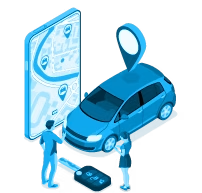
Selecting the right car tracking system provider is a critical decision for protecting your valuable automotive assets. Whether you are a concerned parent, a small business owner managing a fleet, or a dealership focused on risk management, the technology you choose matters. Modern automotive GPS tracking systems offer more than just location data; they provide a comprehensive suite of tools for enhancing security, improving efficiency, and promoting driver safety. From real-time alerts for unauthorized movement to detailed driver behavior analytics, the capabilities are vast. Understanding the differences between providers, from their hardware reliability to the user-friendliness of their software platform, is the first step toward finding a solution that fits your specific needs. Partnering with a reputable provider gives you the insight and control necessary to manage your vehicles effectively and with greater peace of mind. To learn more about our commitment to cutting-edge solutions, visit our about us page.
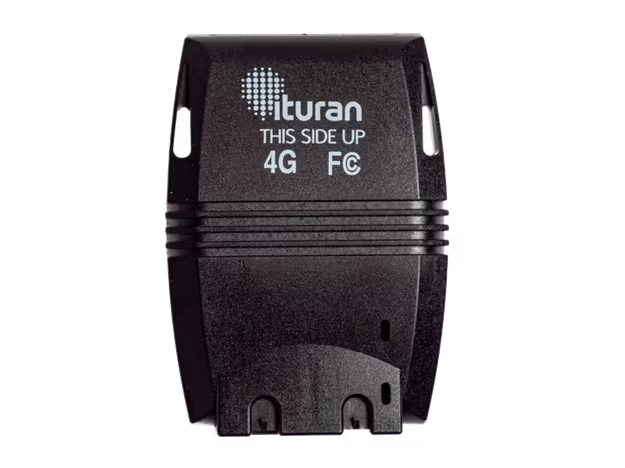
Payment Reminder (optional)
Parking Behavior Report
Accident Notification
Tow Alert
Impound Lots Monitor
Mileage Tracking
Special Relays for Faster Installation
Backup Battery
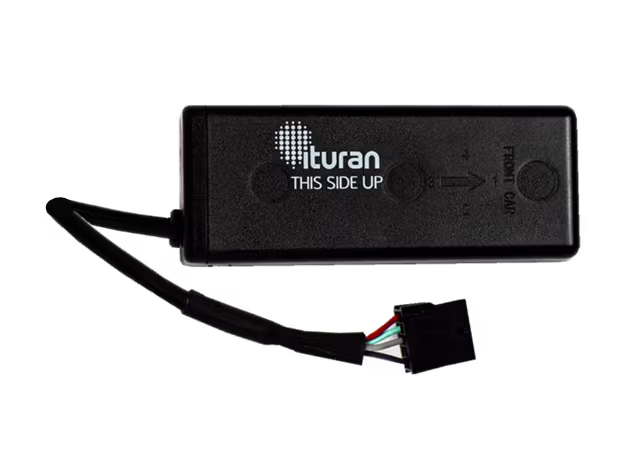
Accident Notification
Tow Alert
Impound Lots Monitor
Mileage Tracking
OBD Installation (optional)
Backup Battery
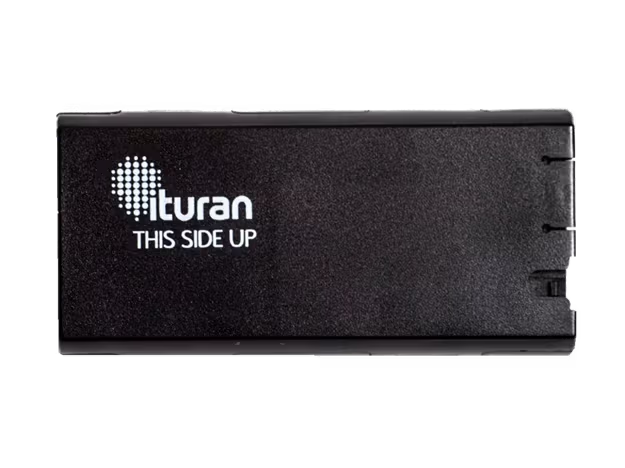
Cost Effective Device
Flexible Tracking Intervals
3 Year Battery Life
Empowering yourself with the right information and technology transforms how you interact with your vehicles. The best car tracking system providers deliver robust, reliable platforms that put control at your fingertips. Imagine having the ability to set up geofence alerts, monitor driving habits, and access detailed trip histories from your smartphone. This level of operational visibility is invaluable for everything from recovering a stolen vehicle to coaching a new driver. We believe in providing solutions that add tangible value, security, and efficiency to your life or business operations.



A Comprehensive Guide to Automotive GPS and Fleet Telematics
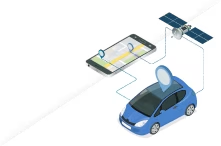
In today's connected world, vehicle tracking technology has evolved far beyond simple dots on a map. Modern automotive telematics providers offer sophisticated platforms that serve a wide array of purposes, from personal vehicle security to large-scale commercial fleet management. At its core, this technology uses a GPS (Global Positioning System) device installed in a vehicle to pinpoint its precise location. This data is then transmitted via a cellular network to a central server, which you can access through a web-based dashboard or a dedicated mobile app. This process provides real-time location tracking, but the true power of these systems lies in the additional data they collect and the software that analyzes it.
For individuals and families, a GPS tracker offers an incredible sense of security. Features like car geofencing alerts can notify you instantly if your vehicle enters or leaves a designated area, perfect for monitoring a teen driver or confirming your car is secure in a parking garage. In the unfortunate event of theft, a GPS tracking for stolen car recovery service is one of the most effective tools for law enforcement to quickly locate and retrieve your asset. Many systems also include safety features like a vehicle crash notification system, which can automatically alert emergency contacts in case of an impact.
Key Features Offered by Top Vehicle Tracking Companies
When you compare fleet GPS tracking systems or personal trackers, you will find a range of features designed for different applications. Understanding these capabilities is essential to choosing a provider that aligns with your goals. The most effective solutions combine powerful hardware with intuitive software to deliver actionable insights.
- Real-Time Location and History: The foundational feature of any system, providing live vehicle location on a map, along with detailed trip history reports that show routes taken, stops made, and duration.
- Driver Behavior Monitoring: Advanced systems use accelerometers to detect and report on unsafe driving habits. This includes alerts for harsh braking monitoring, rapid acceleration, and speeding, which are crucial for coaching drivers and reducing risk.
- Geofencing Technology: This allows you to create virtual boundaries on a map. You can receive instant GPS tracking with geofence alerts via text or email when a vehicle enters or exits a job site, a home address, or a restricted area.
- Vehicle Security and Recovery Tools: Many providers offer features specifically for asset protection. A starter interrupt vehicle tracking system allows you to remotely disable a vehicle's ignition, preventing it from being started. This is a powerful tool for theft recovery and collateral management.
- Maintenance and Health Alerts: Telematics systems can track engine hours, mileage, and diagnostic trouble codes (DTCs). This enables fleet preventive maintenance alerts, helping you stay ahead of repairs and minimize downtime.
- Comprehensive Reporting and Analytics: A robust fleet management reporting suite provides insights into fuel consumption, idle time, asset utilization, and overall fleet performance, helping businesses make data-driven decisions.
Solutions for Dealerships and Auto Finance Lenders
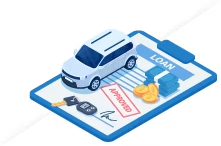
For used car dealerships, especially those offering in-house or Buy Here Pay Here (BHPH) financing, GPS tracking is an indispensable tool for risk mitigation and portfolio management. GPS tracking for subprime dealerships provides a critical layer of security for financed assets. By installing a reliable tracking device, lenders can maintain visibility on their collateral throughout the loan term. This technology is vital for auto loan collateral tracking, as it simplifies the process of locating a vehicle in the event of a default.
Providers specializing in GPS tracking for auto lenders offer specialized features beyond simple location services. For example, a GPS payment reminder system for dealerships can utilize an audible in-vehicle alert to remind customers of an upcoming or past-due payment, improving collection rates. Furthermore, the integration of a starter interrupt device gives lenders a powerful tool to encourage timely payments and facilitate a smoother recovery process if necessary. Partnering with the right BHPH GPS tracking providers means gaining access to a platform designed for the unique challenges of the auto finance industry, including robust reporting for portfolio analysis and compliance. These systems offer significant value in protecting assets and maintaining a healthier loan portfolio. If you have any questions, please do not hesitate to contact us for more details.
What is a car tracking system and how does it work?
A car tracking system is a device that uses the Global Positioning System (GPS) to determine a vehicle's precise location. The device transmits this location data, along with other vehicle information, over a cellular network to a secure server. Users can then access this information in real-time through a web portal or smartphone app to monitor the vehicle's location, speed, trip history, and more.
Can a GPS tracker be detected?
While a physical inspection may reveal a professionally installed GPS tracker, they are typically placed in discreet locations to make them difficult to find. There are electronic devices designed to sweep for and detect GPS signals, but these are not commonly used. For covert tracking applications, the small size and strategic placement of modern devices make them very hard to detect without a thorough search.
Do car tracking systems require a monthly subscription?
Yes, almost all real-time car tracking systems require a monthly or annual subscription fee. This fee covers the cost of the cellular data plan used by the device to transmit its location and other information to the servers. The subscription also pays for access to the software platform, mobile app, technical support, and data storage for your vehicle's history.
What is the difference between telematics and GPS tracking?
GPS tracking primarily refers to locating a vehicle. Telematics is a broader term that encompasses GPS tracking but also includes the collection and analysis of a wide range of other vehicle data. This can include driver behavior (speeding, harsh braking), engine diagnostics, fuel consumption, idle time, and more. Essentially, telematics turns raw GPS data into actionable business intelligence or safety insights.
How is a vehicle tracking device installed?
Vehicle tracking devices come in several forms. Some are simple plug-and-play units that connect to the vehicle's OBD-II port. Others are hardwired devices that connect directly to the vehicle's power, ground, and ignition sources. A hardwired installation is more secure and discreet and is the standard for professional fleet management and asset protection applications. This type of installation is typically performed by a qualified technician.