
Harsh acceleration is more than just a bad driving habit; it is a significant factor that impacts vehicle health, fuel efficiency, and overall road safety. This aggressive driving behavior involves pressing the accelerator pedal too quickly, causing a rapid and often unnecessary increase in speed. While occasional quick acceleration might be needed, consistent harsh starts place immense strain on a vehicle's most critical components, including the engine, transmission, and tires. For fleet managers, auto lenders, and dealership owners, understanding and tracking these events is crucial. By leveraging advanced automotive telematics solutions, you can gain valuable insights into driver behavior. Monitoring harsh acceleration helps protect asset value, reduce operational costs, and promote a culture of safer, more responsible driving across your entire portfolio of vehicles.
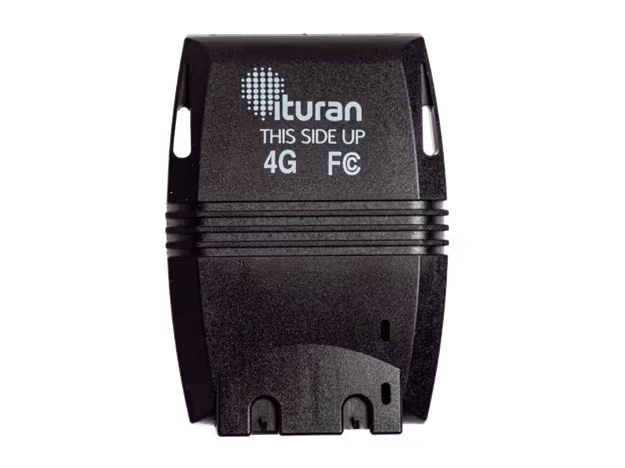
Payment Reminder (optional)
Parking Behavior Report
Accident Notification
Tow Alert
Impound Lots Monitor
Mileage Tracking
Special Relays for Faster Installation
Backup Battery
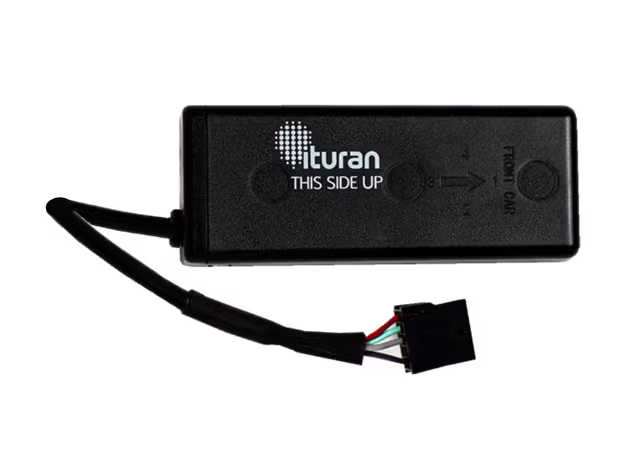
Accident Notification
Tow Alert
Impound Lots Monitor
Mileage Tracking
OBD Installation (optional)
Backup Battery
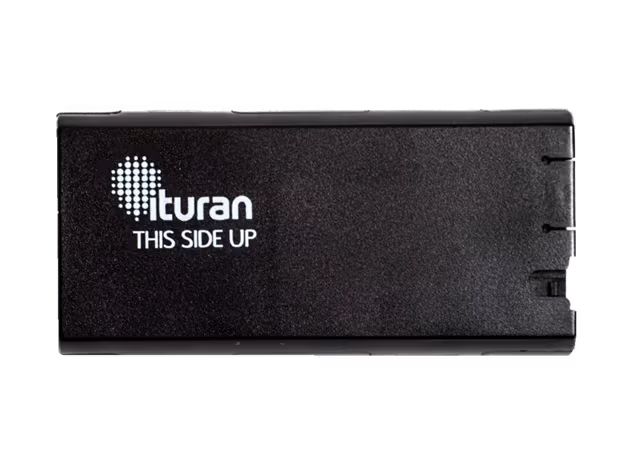
Cost Effective Device
Flexible Tracking Intervals
3 Year Battery Life
The ability to monitor, report, and analyze instances of harsh acceleration provides a powerful tool for risk management and operational efficiency. This data, captured by sophisticated automotive GPS tracking systems, allows for proactive driver coaching, predictive maintenance scheduling, and a clearer understanding of how your assets are being treated in the field. Implementing a system that sends aggressive driving alerts is a foundational step in building a comprehensive safety program and protecting your investments from premature wear and preventable damage.





A Deeper Dive into Harsh Acceleration and Driver Behavior Monitoring
While the term "harsh acceleration" seems straightforward, its measurement in the world of vehicle telematics is precise and data-driven. It is not simply about going fast; it is about the rate at which a vehicle's speed changes. This is typically measured in G-force or meters per second squared. A modern GPS tracking device for vehicles is equipped with a sensitive three-axis accelerometer. This component detects forward, backward, and side-to-side motion. When a driver presses the gas pedal aggressively, the accelerometer registers a significant spike in forward G-force that exceeds a pre-defined, safe threshold. This event is then flagged, time-stamped, and transmitted along with location data to a central GPS tracking platform for vehicles for review and analysis.
The Cascade of Negative Effects from Aggressive Driving
A single instance of flooring the accelerator might seem harmless, but a pattern of this behavior creates a cascade of negative consequences that affect a vehicle's safety, longevity, and operational cost. Understanding these impacts is the first step toward appreciating the value of a robust driver behavior monitoring system.
- Increased Fuel Consumption: Aggressive driving is one of the single largest contributors to poor fuel economy. Rapid acceleration forces the engine to work much harder and consume significantly more fuel than a smooth, gradual increase in speed. For businesses managing a fleet of vehicles, these wasted fuel costs can accumulate into substantial and unnecessary expenses over time.
- Accelerated Vehicle Wear and Tear: The mechanical stress of harsh acceleration is immense. It puts a heavy strain on the engine, transmission, driveshaft, and axles. Tires wear down faster due to increased friction, and brake systems are often subjected to harder use to compensate for the rapid speed gains. This leads to more frequent repairs, premature component failure, and higher lifetime maintenance costs for the vehicle.
- Elevated Safety Risks: Drivers who accelerate harshly are more likely to engage in other risky behaviors like speeding and tailgating. This aggressive style reduces reaction time and increases the probability of accidents. For companies, this translates to higher insurance premiums, potential liability issues, and costly vehicle downtime. A vehicle crash notification system can alert you to an impact, but monitoring behavior can help prevent it.
- Diminished Asset Value: For Buy-Here-Pay-Here dealers and auto finance companies, a vehicle is a valuable piece of collateral. Aggressive driving habits directly contribute to the depreciation of that asset. A vehicle that has been driven hard will have a lower resale or recovery value than one that has been operated with care. Tracking this behavior is a key component of effective auto loan collateral tracking.
Practical Applications Across Industries
The benefits of monitoring harsh acceleration extend across various sectors of the automotive and finance industries. The insights gained from GPS driving behavior tracking can be tailored to meet specific business objectives.
For fleet management GPS tracking, the primary goals are often cost reduction and safety improvement. Managers can use driver scorecards, which aggregate data on acceleration, braking, and speeding, to identify which drivers may need additional training. This proactive coaching helps create a safer fleet, reduce fuel and maintenance budgets, and potentially lower insurance costs.
In the world of Buy Here Pay Here GPS tracking, the focus shifts to risk mitigation. A dealership that finances its own vehicles has a vested interest in ensuring the longevity of its assets. Monitoring for harsh acceleration provides an early warning system that a vehicle may be at risk of premature mechanical failure. This allows the dealer to have a conversation with the customer about proper vehicle care, protecting the value of the collateral that secures the loan. It is an essential part of a comprehensive GPS for dealership risk management strategy.
Similarly, auto finance GPS tracking providers offer solutions that give lenders visibility into how their collateral is being treated. When a loan is underwritten, particularly in the subprime market, the risk of default is a major consideration. Knowing that a vehicle is being driven in a way that rapidly decreases its value can inform collection strategies and risk assessment for the entire portfolio.
Implementing a Complete Monitoring Solution
Effective monitoring goes beyond simply receiving an alert. A truly valuable system provides actionable intelligence through a powerful software platform. The best fleet vehicle tracking software will allow you to:
- Set custom thresholds for what your organization considers harsh acceleration.
- Generate detailed fleet driver activity reports that show trends over time.
- Create driver scorecards to gamify and encourage safer driving habits.
- Integrate with other systems through a vehicle tracking API for seamless data flow.
Harsh acceleration is just one piece of the puzzle. A complete fleet telematics solution also monitors harsh braking, speeding, hard cornering, and excessive idling. By combining these data points, you can build a full profile of driver behavior. This holistic view is what transforms raw data into a powerful tool for improving safety, reducing costs, and protecting your valuable vehicle assets. Whether you are managing a large commercial fleet or a portfolio of financed vehicles, monitoring aggressive driving is no longer a luxury—it is a fundamental component of modern asset management.
Helpful Links
Frequently Asked Questions
What exactly is considered harsh acceleration?
Harsh acceleration is a specific, measurable event defined by a rapid change in a vehicle's velocity. GPS tracking systems use a built-in accelerometer to detect this. A threshold is set, for example, an increase in speed of more than 6.5 mph per second. When the device detects acceleration exceeding this programmed limit, it flags the event and reports it to the software platform.
How does a GPS tracker detect harsh acceleration?
GPS tracking devices contain a component called an accelerometer, which measures G-force along three axes (front-to-back, side-to-side, and up-and-down). When a vehicle accelerates aggressively, the accelerometer registers a strong forward G-force. The device's firmware is programmed to recognize when this force surpasses a safe, predetermined threshold, at which point it logs a harsh acceleration event.
Can monitoring harsh acceleration really save a business money?
Yes, significantly. The two biggest savings come from reduced fuel consumption and lower maintenance costs. Aggressive driving can decrease fuel efficiency by 15-30%. By coaching drivers to accelerate smoothly, businesses can realize substantial fuel savings. Additionally, reducing strain on the engine, transmission, and brakes leads to fewer repairs, less downtime, and a longer operational life for the vehicle.
Is it legal for a company to monitor its drivers for harsh acceleration?
In the United States, it is generally legal for employers to use GPS tracking and telematics to monitor company-owned vehicles, especially for legitimate business purposes such as safety, asset management, and efficiency. However, laws can vary by state, particularly concerning employee notification. It is always a best practice to have a clear, written policy that informs employees about the use of monitoring technology in company vehicles.
What other driving behaviors can be monitored besides harsh acceleration?
Harsh acceleration is part of a suite of behaviors that make up a comprehensive driver safety profile. Modern telematics systems can also effectively monitor and report on harsh braking, rapid cornering, speeding (both against posted limits and a set threshold), and excessive vehicle idling. Combining these metrics provides a complete picture of driver performance and helps identify areas for improvement.