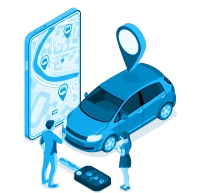
For auto dealerships and lenders specializing in subprime or in-house financing, managing the risk associated with delinquent auto loans is a critical aspect of business operations. Implementing a reliable GPS tracker is a proactive strategy to safeguard your valuable assets. These advanced devices provide more than just location data; they are a comprehensive tool for risk mitigation. By offering real-time vehicle location, dealerships can maintain visibility of their collateral, which is essential when a loan account becomes past due. This technology empowers lenders to make informed decisions, streamline communication with customers, and improve the efficiency of collection processes. Utilizing GPS tracking for subprime auto loans helps protect your portfolio and maintain the financial health of your lending program. It is a modern solution for the age-old challenges of vehicle financing, providing a layer of security for your investments.
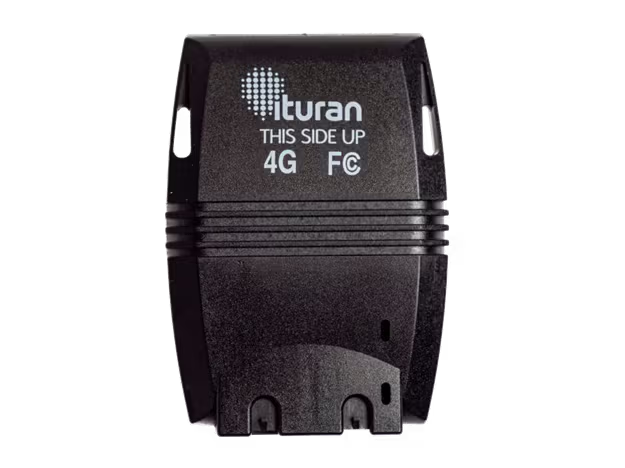
Payment Reminder (optional)
Parking Behavior Report
Accident Notification
Tow Alert
Impound Lots Monitor
Mileage Tracking
Special Relays for Faster Installation
Backup Battery
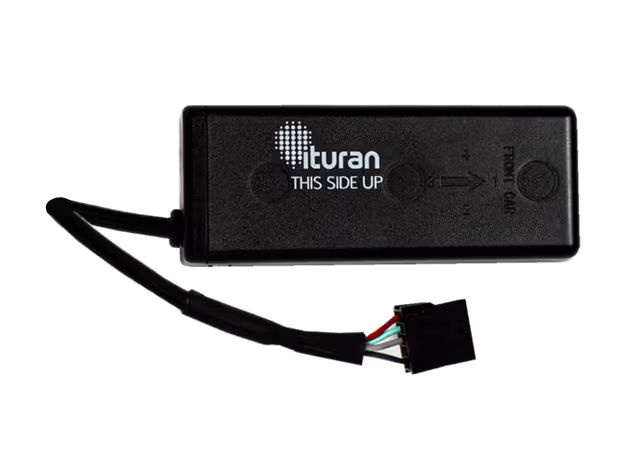
Accident Notification
Tow Alert
Impound Lots Monitor
Mileage Tracking
OBD Installation (optional)
Backup Battery
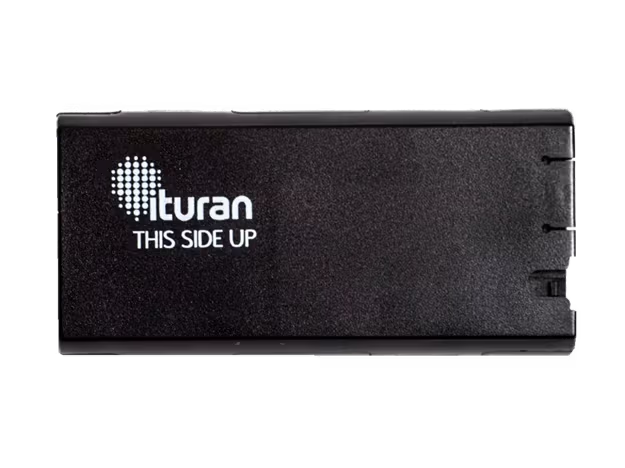
Cost Effective Device
Flexible Tracking Intervals
3 Year Battery Life
Leveraging advanced automotive tracking technology is fundamental to effective collateral management. Systems equipped with features like starter interrupt capabilities offer an additional level of control, allowing for vehicle immobilization in accordance with contractual agreements and state laws. This function can be an effective tool in prompting communication from customers with delinquent accounts. Partnering with professional vehicle GPS tracking providers gives your dealership access to robust software platforms, detailed reporting, and reliable hardware designed for the demanding automotive finance industry.

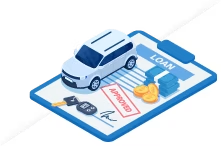

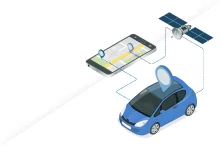


A Comprehensive Approach to Managing Auto Loan Delinquency
In the world of automotive financing, particularly for Buy Here Pay Here (BHPH) and subprime lenders, the potential for loan delinquency is an inherent business risk. When payments are missed, the process of communicating with the customer and potentially recovering the vehicle can be costly and time-consuming. This is where GPS tracking for financed cars becomes an indispensable tool for asset protection and risk management. By installing a discreet, hardwired GPS device in a financed vehicle, dealerships and finance companies gain a powerful solution for monitoring their collateral 24/7.
This technology goes far beyond simple dot-on-a-map tracking. Modern systems provide a suite of features designed specifically for the auto finance industry. These tools are engineered to help reduce delinquencies, decrease repossession costs, and ultimately protect the lender's investment from the moment a customer drives off the lot. For more information on how we operate, you can visit our about us page.
Core Features of GPS Systems for Delinquent Loans
When selecting a dealership GPS tracking system, it is important to look for a solution that offers more than just basic location services. The most effective platforms are tailored to address the specific challenges of managing financed vehicles. Key features include:
- Real-Time Location Tracking: The ability to see a vehicle's precise location on demand is the cornerstone of any asset recovery strategy. This immediate visibility is crucial when an account is severely delinquent and recovery becomes necessary.
- Starter Interrupt Technology: A GPS tracker with starter interrupt allows the lender to remotely prevent a vehicle's engine from starting. This feature can be a powerful incentive for a non-communicative customer to contact the dealership to resolve their past-due account. Its use is subject to strict legal and contractual guidelines.
- Geofencing Alerts: Lenders can create virtual boundaries around specific locations, such as impound lots, state lines, or international borders. If a vehicle enters or exits one of these predefined zones, the system sends an instant alert, enabling proactive measures.
- Automated Payment Reminders: Some advanced devices include an audible in-vehicle alert that can be configured to sound a few days before a payment is due or when it becomes late. This serves as a helpful reminder for the customer and can help improve on-time payment rates. Explore our payment reminder systems for more details.
- Device Tamper Alerts: If a device is disconnected from its power source or otherwise tampered with, the system will immediately notify you. The device's internal backup battery will continue to transmit its location for a period, providing a window to take action.
The Strategic Value of GPS in Auto Finance Risk Management
Implementing a robust GPS tracking program is a strategic business decision that yields numerous benefits for auto lenders. By actively managing your portfolio with this technology, you can significantly impact your bottom line.
The primary benefit is a marked reduction in financial losses associated with delinquent accounts. Knowing the exact location of a vehicle transforms the recovery process. It reduces the time and expense of searching for the asset, minimizes repossession fees, and increases the likelihood of a successful recovery. This efficiency translates directly into lower charge-offs and a healthier portfolio. For dealers managing their own financing, this is a key component of dealership risk management.
Furthermore, the presence of these systems can lead to improved customer communication and higher collection rates. Payment reminder features keep customers aware of their obligations, and the knowledge that the vehicle is monitored can encourage them to prioritize their auto loan payment. When an account does fall behind, the ability to locate the vehicle gives the collections team more leverage to work with the customer toward a resolution before escalating to repossession.
Legal Compliance and Customer Disclosure
While GPS tracking is a powerful tool, it is imperative that its use complies with all federal, state, and local laws. Regulations regarding the use of GPS devices and starter interrupt technology on financed vehicles vary significantly by state. It is the lender's responsibility to understand and adhere to the specific laws in their area of operation. For a detailed overview of how we handle data, please review our privacy policy.
Transparency with the customer is paramount. The use of a GPS tracking device should be clearly and conspicuously disclosed in the financing agreement. The customer must provide written consent to the installation and use of the device for purposes of loan servicing and collateral recovery. Proper disclosure not only fulfills legal requirements but also builds trust and sets clear expectations from the beginning of the loan term. We recommend consulting with legal counsel to ensure your contracts and disclosure forms are fully compliant.
Choosing the Right GPS Tracking Partner
Not all automotive GPS tracking companies are created equal. Selecting the right provider is as important as deciding to use the technology itself. Look for a partner with a proven track record in the auto finance industry. Consider the quality and reliability of their hardware, the sophistication and ease-of-use of their software platform, and their level of customer support. The best solutions offer seamless integration with your Dealer Management System (DMS), creating a streamlined workflow for your entire team. If you have any questions, please do not hesitate to contact us.
Frequently Asked Questions
Are GPS trackers on financed vehicles legal?
In many states, it is legal for lenders to install GPS tracking devices on vehicles they finance, provided certain conditions are met. The most critical requirement is proper disclosure. The customer must be clearly informed about the device and consent to its use in writing as part of the loan agreement. Laws can vary significantly by state, so it is essential for dealerships and finance companies to consult with legal counsel to be certain their practices are fully compliant with all applicable regulations in their jurisdiction.
How does a starter interrupt system work?
A starter interrupt, or starter disable, is a feature connected to the GPS device and the vehicle's starter circuit. When activated remotely by the lender through the software platform, it prevents the starter from engaging, which means the vehicle will not turn on. For safety, these systems are designed to only prevent the car from starting; they cannot and will not shut off a vehicle that is already in motion. Its use is strictly governed by state laws and the terms of the signed finance contract.
Do customers have to be notified about the GPS device?
Yes, absolutely. Transparency is a legal and ethical requirement. The presence of a GPS tracking device, its purpose (for loan servicing and collateral recovery), and its features (such as starter interrupt) must be clearly and conspicuously disclosed to the customer before the loan documents are signed. The customer must provide explicit written consent. Failing to provide proper notification can lead to serious legal consequences for the lender.
Can GPS tracking help lower a dealership's operational costs?
Yes, it can have a significant impact on operational costs. By providing the exact location of a vehicle that needs to be repossessed, GPS tracking dramatically reduces the costs associated with skip tracing and searching for the asset. It leads to faster recovery times, which can lower storage fees and depreciation losses. Furthermore, features like payment reminders can help improve collection rates, reducing the staff time and resources spent on managing delinquent accounts.
What happens if a customer tampers with or removes the GPS device?
Professional-grade GPS tracking devices are designed with security features to combat tampering. Most units will send an immediate alert to the lender if the device's main power is cut. They are also equipped with an internal backup battery that will allow the device to continue transmitting its location for a period of time after being disconnected, giving the lender a window to locate the vehicle. Tampering with the device is typically a violation of the financing agreement, which can trigger default clauses and immediate repossession.